Westminster DWAI Lawyer
Colorado draws a legal line that surprises a lot of drivers: you do not have to be legally drunk to face criminal charges behind the wheel. Driving While Ability Impaired, or DWAI, applies when a driver’s blood alcohol content reaches 0.05 but stays below 0.08, or when any substance, including marijuana or prescription medication, causes even a slight impairment to physical or mental abilities. Westminster sits along US-36 and at the intersection of Jefferson, Adams, and Broomfield counties, with heavy enforcement corridors on Sheridan Boulevard, Wadsworth Parkway, and around the Flatiron Crossing area. Officers in this part of the metro actively patrol these roads, and a DWAI stop can move from roadside sobriety testing to handcuffs faster than most people expect.
A Westminster DWAI lawyer is not just helpful in this situation, it is the difference between understanding how to fight the charge and walking into a plea arrangement that follows you for years. DWAI carries real criminal penalties under Colorado law: fines, points against your license, mandatory public service hours, and potential jail time, even on a first offense. A second or third DWAI escalates substantially, and any DWAI conviction becomes part of your permanent criminal record in Colorado. Because the BAC threshold is lower than DUI, many people assume DWAI is a lesser charge that does not require serious attention. That assumption is wrong, and it costs people more than they bargained for.
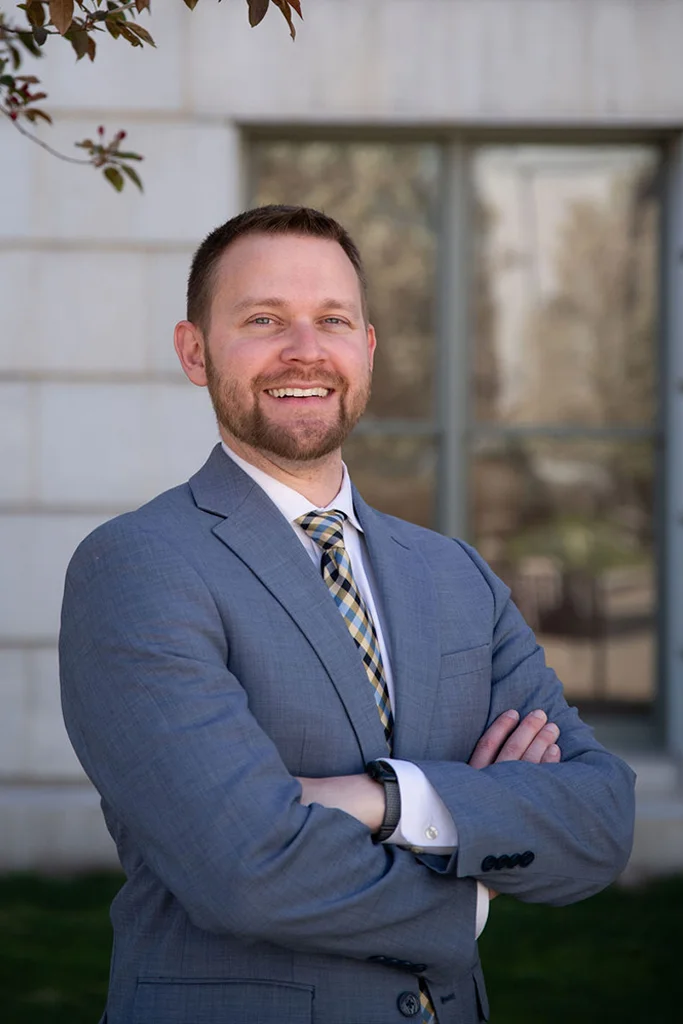
Reid DeChant represents Westminster-area clients facing DWAI and DUI charges, bringing courtroom experience from Adams County, Jefferson County, Broomfield County, and the surrounding metro jurisdictions where these cases are actually filed and litigated. His approach is not paperwork management. It is building a defense that questions every step of the government’s case, from the initial traffic stop to the chemical test results.
DWAI in Westminster: What the Charge Actually Involves
DWAI sits in a category that Colorado prosecutes aggressively precisely because the threshold is low. At 0.05 BAC, many drivers feel entirely capable of operating a vehicle. Colorado law does not require that you feel impaired, only that evidence suggests your abilities were affected to the slightest degree. That standard gives prosecutors latitude, and it gives defense attorneys meaningful grounds to contest whether impairment was actually present.
The charge most commonly arises from traffic stops that begin with something unrelated to impairment: a broken taillight on Wadsworth, a rolling stop near Federal Boulevard, or speeding on US-36. Once an officer initiates contact, field sobriety tests come into play. Those tests, the horizontal gaze nystagmus, walk-and-turn, and one-leg-stand, are scored subjectively by the officer and affected by a range of factors including fatigue, medical conditions, nervousness, and uneven road surfaces. The roadside environment along Westminster’s major corridors, with heavy traffic, noise, and poor lighting, can affect performance on these tests in ways that have nothing to do with alcohol or drug impairment.
Breath and blood testing introduce their own set of issues. Breathalyzer equipment must be calibrated and maintained properly, and the operator must follow specific procedures. Blood draws handled by law enforcement must comply with chain-of-custody requirements. If any of these standards are not met, the chemical test results become contestable. Reid DeChant has trained specifically in impaired driving defense and knows how to investigate the reliability of these tests in actual Westminster-area cases.
- DWAI and the 0.05 BAC Threshold: Colorado’s DWAI statute criminalizes driving when BAC is between 0.05 and 0.079, a range where many drivers subjectively feel unimpaired, making these charges particularly fact-intensive to defend.
- DWAI-D (Drug Impairment): Colorado law also covers impairment by marijuana, prescription medications, or other substances, even when the driver holds a valid prescription, meaning drivers near Flatiron Crossing, Westminster’s dispensaries, or anywhere in the city can face DWAI charges without any alcohol involved.
- Field Sobriety Test Challenges: Standardized field sobriety tests have documented error rates, and conditions common to Westminster roadside stops, such as shoulder traffic on Sheridan or uneven gravel near older commercial areas, affect how courts should evaluate officer observations.
- Express Consent and License Revocation: Colorado’s Express Consent law requires drivers to submit to chemical testing or face automatic license revocation through a separate DMV hearing process, a proceeding that runs independently from the criminal case and has its own strict deadlines.
- Prior DWAI or DUI Convictions: A prior DWAI or DUI conviction in Colorado significantly changes the penalty landscape for a new charge, including longer license suspension periods, increased mandatory public service hours, and heightened court scrutiny.
- DWAI With Passengers Under 16: Colorado law treats DWAI involving a minor passenger as a separate aggravated circumstance, which can increase the severity of penalties and affects how prosecutors approach plea discussions.
- Employment and Professional License Consequences: Certain professional licenses in Colorado, including commercial driver’s licenses and licenses in healthcare, education, and law enforcement, can be directly affected by a DWAI conviction even when the criminal penalties themselves seem manageable.
Why DeChant Law Handles DWAI Cases Differently
Reid DeChant’s background is not typical for a private defense attorney in the Westminster area. Before entering private practice, Reid worked as a public defender, where he handled high-volume criminal dockets across Denver, Broomfield, and Adams County courtrooms. That means he spent more time cross-examining police officers, challenging chemical test results, and arguing suppression motions in real courtrooms than most private attorneys accumulate across an entire career. DWAI cases live and die on procedural details, and that level of courtroom repetition matters.
Reid is also a graduate of the Trial Lawyers College, a selective program founded by Gerry Spence that trains attorneys in authentic courtroom advocacy rooted in genuine human connection. That training informs how Reid presents DWAI defenses to juries. Jurors do not return not-guilty verdicts because of legal jargon. They return them because they understand the person in front of them and find the government’s case unconvincing. Reid’s approach builds that foundation from the first client conversation forward.
DeChant Law’s case results include multiple DUI and DWAI dismissals and not-guilty verdicts across the metro area, including DUI-Drugs cases out of Jefferson County resolved not guilty at trial, DUI matters out of Arapahoe County dismissed, and DUI-Drugs charges out of Broomfield County dismissed. Reid also has a strong record in DMV Express Consent proceedings, where he has obtained dismissals based on improper advisements, procedural errors in test administration, and Miranda-related issues. Those results were earned in the same courtrooms and administrative hearings where Westminster DWAI cases are resolved. Reid is a member of the National Association of Criminal Defense Lawyers and the Colorado Criminal Defense Bar, staying connected to the most current defense strategies nationally and locally.
What to Do Immediately After a Westminster DWAI Arrest
The first 72 hours after a DWAI arrest in Westminster carry disproportionate weight. The DMV clock starts running almost immediately after an Express Consent revocation is issued, and missing the deadline to request a hearing means accepting an automatic license suspension. That hearing is separate from anything that happens in criminal court, and it requires its own preparation and advocacy. Contacting a DWAI attorney in Westminster as quickly as possible is the single most important practical step you can take.
Jefferson County and Adams County are the most common filing jurisdictions for Westminster cases, depending on where the arrest occurred. Jefferson County criminal cases are handled through the courthouse in Golden, while Adams County cases go through Brighton. If your arrest occurred in a Broomfield-addressed area of Westminster, the case may land in Broomfield County. Understanding which courthouse will handle your case affects the timeline, the prosecutors involved, and the local procedural norms your attorney needs to navigate. Reid DeChant has practiced in all of these courts.
In the immediate aftermath of an arrest, avoid discussing the details of the stop, your driving, or your drinking with anyone other than your attorney. Statements made to officers, recorded on body cameras or in-car video, become part of the prosecution’s evidence. Westminster and surrounding police agencies routinely use video recording during traffic stops and DUI investigations, and those recordings capture everything said at the scene. Your attorney needs to review that footage before anything else is decided about how to approach the case.
Gather whatever you can remember about the stop: the location, the time, the reason the officer gave for pulling you over, the sequence of events, whether you were asked to perform field sobriety tests and where those tests took place, and the type of chemical test administered. That information is the raw material a defense investigation works from. Do not assume any detail is too small to matter. In DWAI cases, small procedural details are often exactly where defenses are found.
Questions Westminster Residents Have About DWAI Charges
What is the difference between DUI and DWAI in Colorado?
DUI in Colorado typically applies when a driver’s BAC is 0.08 or higher, or when impairment is substantial. DWAI applies at the lower threshold of 0.05 BAC or when impairment is slight. Both are criminal charges, but DWAI carries somewhat lower minimum penalties on a first offense. The critical point is that both go on your record, and both require the same serious approach to defending.
Can I be charged with DWAI in Westminster even if I felt fine to drive?
Yes. Colorado law does not require that you subjectively feel impaired. The statute is satisfied if the evidence supports that your abilities were affected to the slightest degree. Officers are trained to document observations like the odor of alcohol, bloodshot eyes, slurred speech, or driving patterns that support this conclusion. Your personal sense of your own condition is not the legal standard.
What happens to my driver’s license after a DWAI charge in Colorado?
If you submitted to a chemical test and the result supported a DWAI or DUI charge, the DMV may initiate an Express Consent revocation proceeding against your license. You have a limited window to request a hearing to contest the revocation. If you refused testing, the revocation process and penalties differ. Either way, the DMV action moves on its own track, separate from the criminal case, and requires prompt action.
Is a DWAI conviction a misdemeanor in Colorado?
A first-offense DWAI is a traffic misdemeanor under Colorado law. However, repeat offenses escalate. A third DWAI or DUI within a seven-year period can be charged as a felony under Colorado’s persistent drunk driver statutes. Even at the misdemeanor level, the consequences for employment, professional licensing, and insurance rates are significant.
What defenses are available in a Westminster DWAI case?
Common defenses include challenging the legality of the initial traffic stop, attacking the reliability or administration of field sobriety tests, contesting breathalyzer calibration records, challenging the chain of custody for blood draws, arguing that observed symptoms had non-alcohol causes such as fatigue or a medical condition, and in some cases arguing that Miranda rights were violated before Express Consent advisements were given, which DeChant Law has successfully used to obtain dismissals in DMV hearings.
What if I was stopped near Flatiron Crossing or the US-36 corridor specifically?
The US-36 corridor and areas around Flatiron Crossing are among the higher-enforcement stretches in the Westminster metro area. Law enforcement agencies in Westminster, Broomfield, and surrounding communities actively patrol these areas, particularly during weekend evenings and after large events. Being stopped in these areas does not change the legal standards, but it does mean officers in those corridors are often experienced with DWAI and DUI investigations, making the quality of your defense particularly important.
How does a DWAI affect my commercial driver’s license (CDL)?
A DWAI conviction carries different consequences for CDL holders than for standard license holders. Federal regulations governing commercial driving set their own standards for alcohol-related offenses, and even an off-duty DWAI conviction in a personal vehicle can affect CDL status. CDL holders facing DWAI charges should flag this immediately when speaking with a defense attorney, because the strategy for protecting driving privileges in that context requires additional consideration.
Can a DWAI be reduced to a lesser charge or dismissed outright?
Both outcomes are possible depending on the strength of the evidence, the facts of the stop, and the quality of the defense. Prosecutors do consider plea arrangements in DWAI cases, and in cases where evidence problems are significant, dismissal is a realistic outcome. DeChant Law has obtained both dismissals and not-guilty verdicts in DUI and DWAI-related cases across the metro counties that handle Westminster arrests.
If I refused the chemical test, is my DWAI case stronger or weaker?
Refusal removes the chemical test result from the prosecution’s evidence, but it introduces its own complications. Refusal triggers an automatic Express Consent revocation proceeding with stricter penalties than a failed test revocation. Prosecutors can also inform a jury that you refused testing, and jurors sometimes draw negative inferences from that choice. Whether refusal helps or hurts depends on the other evidence in your specific case, which is exactly the kind of analysis a defense attorney should work through with you early.
How long does a DWAI case in Westminster typically take to resolve?
The timeline varies based on which county court handles the filing, whether the case goes to trial, and how complex the evidence is. Straightforward misdemeanor DWAI cases in Jefferson or Adams County can move through the system in several months. Cases involving contested evidence, suppression motions, or jury trials take longer. Your attorney can give you a realistic estimate once the filing jurisdiction and initial evidence are known.
Serving Westminster and the Surrounding Communities Along the Front Range
DeChant Law represents clients facing DWAI and DUI charges throughout the Westminster area and the broader northwest metro Denver corridor. This includes clients from Thornton, Northglenn, Broomfield, and Arvada, as well as those from the older neighborhoods of Federal Heights and areas along Federal Boulevard. Clients from Wheat Ridge, Lakewood, and the Edgewater community have also turned to Reid DeChant when facing impaired driving charges that land in Jefferson County courts.
Adams County cases arising from stops in Commerce City, Brighton-area communities, and unincorporated Adams County fall within the same practice area. To the south and west, clients from Lakewood, Ken Caryl, and Littleton facing Jefferson County charges receive the same representation. Westminster itself spans portions of Jefferson and Adams counties, and cases from neighborhoods near 120th Avenue, Lowell Boulevard, and the older Countryside and Shaw Heights areas are handled in the applicable county courthouse based on where the stop occurred. Reid is familiar with the prosecutors, judges, and administrative hearing officers working across all of these jurisdictions.
Contact a Westminster DWAI Attorney at DeChant Law
A Westminster DWAI attorney can make a measurable difference in what happens to your license, your record, and your future, but only if you act before critical deadlines pass. Reid DeChant has earned not-guilty verdicts and dismissals on DUI and DWAI matters across the Front Range metro area, and he brings genuine trial experience and focused impaired driving defense knowledge to every case he takes. Whether your case is headed for a DMV hearing, a plea conference, or a jury trial, the outcome depends on who is doing the work and how seriously they are doing it. DeChant Law takes that seriously.
Call DeChant Law to speak directly with Reid about your situation. The initial conversation costs you nothing, and the information you get from it will help you understand what you are actually facing and what can realistically be done about it.