Sedalia DUI Defense Lawyer
Sedalia sits along Highway 67 in Douglas County, tucked between Larkspur and Deckers in a stretch of Colorado foothills that sees a meaningful volume of traffic from residents, tourists heading toward Chatfield Reservoir, and drivers coming from events in Denver or Castle Rock. Law enforcement patrols this corridor regularly, and a DUI stop here can unravel quickly if you don’t know what’s actually happening to you. A Sedalia DUI defense lawyer isn’t just a convenience; it’s a practical necessity when the Douglas County District Attorney’s Office is building a case against your license, your freedom, and your record.
Colorado’s impaired driving laws carry consequences that extend well beyond any court date. A first DUI conviction can mean jail time, fines, license revocation, mandatory alcohol education classes, and ignition interlock requirements that follow you for years. A second or third offense escalates dramatically. And separate from the criminal case, the Colorado DMV will move to revoke your license through its own administrative process, running on its own timeline and its own rules. These two tracks, the criminal court case and the DMV hearing, both demand attention from the first days after an arrest.
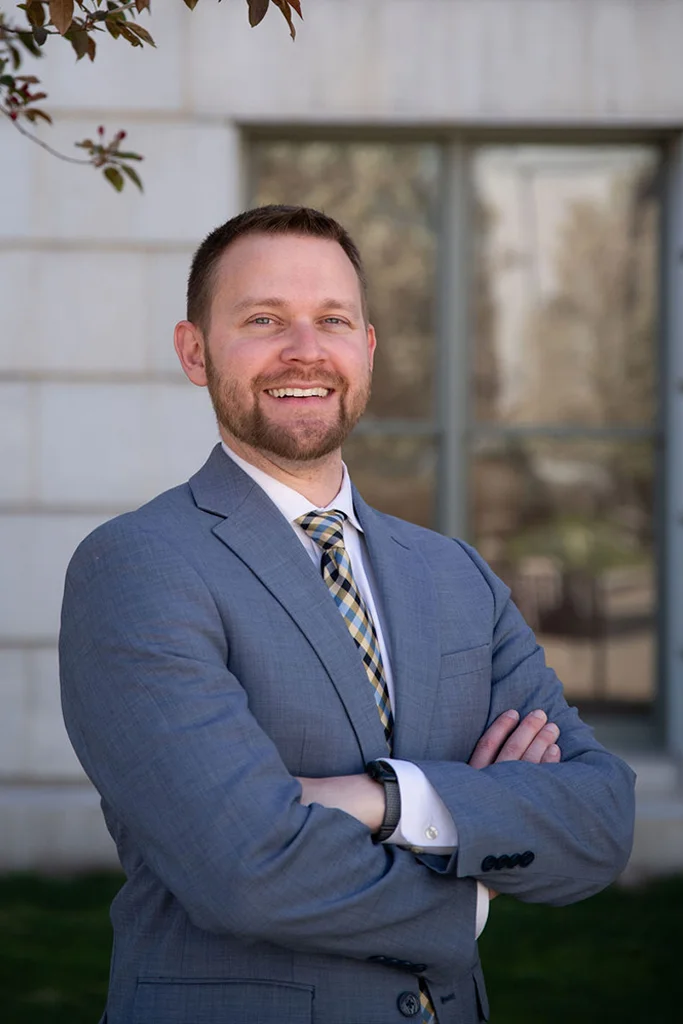
Reid DeChant at DeChant Law has defended DUI cases in Douglas County and across the Denver metro area, and he understands the specific procedural dynamics that govern how these cases are built, challenged, and resolved. The choices you make in the immediate aftermath of a stop, and the attorney you hire before that first court date, shape everything that follows.
How DeChant Law Approaches DUI Defense in Douglas County
Reid DeChant built his DUI defense practice on genuine courtroom experience, not just familiarity with paperwork. As a former public defender, Reid handled a high volume of cases across Denver, Broomfield, and Adams County courts, which means he’s been in front of judges and cross-examining law enforcement officers far more than most private defense attorneys accumulate in full careers. That depth of trial experience translates directly into knowing when a case should fight all the way to a jury and when a more strategic approach will produce a better outcome for the client.
Reid is a graduate of the Trial Lawyers College, the exclusive program founded by attorney Gerry Spence that trains lawyers in storytelling and authentic human connection inside the courtroom. What that means in practice is that Reid doesn’t reduce DUI clients to case numbers or plea statistics. He builds a real understanding of what happened, how the stop unfolded, whether the officer followed proper procedure, and whether the chemical test results actually hold up under scrutiny. The case results on DeChant Law’s website tell part of that story: multiple DMV Express Consent hearings dismissed, DUI charges dismissed out of Arapahoe County, Jefferson County, and Douglas County, and not-guilty verdicts at trial including a DUI and careless driving acquittal and a DUI third acquittal out of Douglas County specifically.
Reid is also a member of the National Association of Criminal Defense Lawyers and the Colorado Criminal Defense Bar, keeping him current on evolving DUI science, changes in Colorado law, and defense strategies being developed by the best defense attorneys in the country. For someone facing a DUI case in or near Sedalia, that combination of trial experience, formal advocacy training, and professional engagement is what separates a defense that actually tests the government’s case from one that processes it.
DUI Charge Categories and What They Mean in Practice
- DUI (Driving Under the Influence): Charged when a driver is substantially incapable of safely operating a vehicle due to alcohol or drugs; a BAC at or above 0.08 percent creates a permissible inference of impairment under Colorado law, and these cases carry mandatory minimum penalties that increase sharply with each prior conviction.
- DWAI (Driving While Ability Impaired): A lesser offense under Colorado law that applies when a driver’s ability is impaired to even a slight degree; BAC between 0.05 and 0.08 percent typically falls in this range, but DWAI still carries fines, points, and potential jail time, and it still triggers DMV action.
- DUI-D (Driving Under the Influence of Drugs): Colorado law extends impaired driving charges to controlled substances, marijuana, prescription medications, and combinations of drugs and alcohol; the science behind these charges, particularly for cannabis impairment, is more contested than breath alcohol cases and often more vulnerable to challenge.
- Aggravated DUI Circumstances: A BAC of 0.15 percent or higher, a minor passenger in the vehicle, or a prior DUI record can all trigger enhanced penalties; Douglas County prosecutors take these circumstances seriously and they affect charging decisions, plea offers, and sentencing recommendations.
- DMV Express Consent Hearings: Colorado’s Express Consent law requires drivers to submit to chemical testing; a refusal or a failed test triggers an automatic license revocation notice, and you have a very narrow window after the arrest to request a DMV hearing that can stop or delay that revocation, making early legal action critical.
- Underage DUI and Zero Tolerance Violations: Colorado applies stricter thresholds for drivers under 21, and a conviction for a young person carries consequences that can affect employment, education, and professional licensing for years.
- Felony DUI: A fourth or subsequent DUI conviction in Colorado can be charged as a Class 4 felony, carrying the possibility of state prison time and long-term consequences that go well beyond anything a first or second conviction brings.
What the First Weeks After a Sedalia-Area DUI Arrest Actually Require
The DMV clock starts immediately. Colorado law gives you a defined window after receiving a notice of revocation to request a hearing with the Colorado Division of Motor Vehicles. If that deadline passes without a request, your license revocation proceeds automatically. This is not a court matter and it does not wait for your criminal case. Reid DeChant has had multiple DMV Express Consent hearings dismissed, and the process for pursuing those outcomes begins before most people have even figured out what court they’re appearing in.
Your criminal case in the Sedalia area will route through the Douglas County District Court, which sits in Castle Rock at 4000 Justice Way. Douglas County has a reputation for thorough prosecution of impaired driving cases, and the DA’s office there prosecutes DUI charges aggressively. Knowing how that office operates, how local judges have ruled on suppression motions, and how juries in Douglas County respond to particular defense approaches all matters when building a strategy.
Gather everything you can remember as soon as possible. Where you were coming from, how long you had been driving, what you ate or drank and when, how the officer approached you and what questions were asked before any formal stop, whether you were read your rights before being asked to take a roadside test, and exactly what type of test was administered. These details fade fast and they matter for evaluating whether proper procedures were followed. Colorado law has specific requirements for how chemical tests must be administered, including timing rules; DeChant Law has had cases dismissed because a chemical test was not administered within two hours of driving, which is one of the grounds listed in the firm’s own case results.
One mistake people consistently make is waiting. Some drivers think that if they aren’t formally charged yet, they don’t need an attorney. This misunderstands how the system works. The DMV process runs on its own schedule regardless of whether charges have been filed in criminal court. Hiring a Sedalia DUI attorney early means the DMV hearing can be contested, evidence can be preserved, and the attorney understands the full picture before anything has already been decided by default.
What a Defense Actually Looks At in a DUI Case
A genuine DUI defense is not about denying that anything happened. It’s about demanding that the government prove every element of its case using evidence gathered properly, from a stop that was legally justified, with testing that was properly administered and accurately interpreted. Reid DeChant’s training and case history reflect a practice built on actually doing this work rather than moving cases toward quick pleas.
Traffic stop validity is the first question. An officer must have reasonable, articulable suspicion to pull someone over. Weaving slightly within a lane, or a temporary lane departure, does not always meet that threshold. If the stop itself is questionable, a suppression motion can eliminate the evidence that followed from it. Field sobriety tests are another area where the defense has real purchase. These tests are standardized under NHTSA guidelines, and officers who deviate from those standards administer tests that don’t carry the scientific weight the prosecution claims. Breath testing equipment requires calibration, maintenance, and proper operation; records showing failures or deviations can undermine results. Blood tests introduce chain-of-custody questions and the integrity of how samples were stored and handled. Drug-impairment cases, particularly those involving cannabis, face significant challenges because current testing cannot reliably establish impairment at the time of driving rather than prior use.
For clients with prior DUI history, the defense also involves understanding what enhancements apply, whether any prior convictions were properly obtained, and what realistic outcomes exist given the full picture. Reid doesn’t offer the same strategy to every client. He builds the defense around what the actual evidence shows and what the specific client needs most from the outcome.
Questions About Sedalia DUI Cases, Answered Directly
How long does a DUI case in Douglas County typically take to resolve?
The timeline varies considerably depending on whether the case goes to trial, involves suppression motions, or resolves through a negotiated outcome. Many misdemeanor DUI cases in Douglas County take several months from arraignment to disposition. Cases that go to trial or involve extensive pre-trial litigation can take longer. The DMV hearing process runs on a separate, faster timeline.
Can I drive after a DUI arrest in Colorado while my case is pending?
Whether you can continue driving after a DUI arrest depends on the DMV hearing outcome and what type of stay or interlock arrangement is in place. Requesting the DMV hearing promptly is part of preserving your ability to drive during the process. An attorney can advise on the specific status of your driving privileges based on your individual situation.
What is the Express Consent law and how does it affect my case?
Colorado’s Express Consent statute means that by driving on Colorado roads, you have already consented to chemical testing if an officer has probable cause to believe you are impaired. Refusing the test triggers a revocation separate from any criminal conviction. However, Express Consent advisements must be given properly, and failures in that process have resulted in dismissed DMV actions, including cases in DeChant Law’s own results.
Is a DWAI less serious than a DUI and should I treat it differently?
DWAI carries lower mandatory penalties than DUI on a first offense, but it still results in license points, possible jail time, fines, and a conviction on your criminal record. It also counts as a prior offense if you are charged with a subsequent DUI. Treating it as minor or not worth contesting is a mistake that can have real consequences later.
What happens if I refused the chemical test at the roadside in Sedalia?
Refusing a roadside portable breath test before arrest is different from refusing the evidentiary chemical test after arrest. The evidentiary test refusal triggers the Express Consent revocation process. The refusal can also be used as evidence against you in the criminal case. Understanding which test was refused and when matters significantly for how the defense is approached.
Can a DUI conviction affect my professional license or employment in Colorado?
Yes, depending on your profession. Many licensed professionals in Colorado, including healthcare workers, attorneys, teachers, and commercial drivers, face separate licensing board proceedings following a DUI conviction. A CDL holder faces especially serious consequences because federal regulations impose strict standards on commercial driving. Addressing these collateral consequences requires understanding them from the start, not after a conviction is already final.
Does it matter which direction I was traveling on Highway 67 when I was stopped?
The geography of the stop matters in a few practical ways: which law enforcement agency made the stop (Colorado State Patrol, Douglas County Sheriff’s Office, or another agency), which jurisdiction the stop occurred in for charging purposes, and which court will handle the case. The procedures, the charging prosecutors, and the local legal culture all vary based on jurisdiction, and a DUI attorney familiar with Douglas County knows those differences.
If the DUI charges against me are dropped, does the DMV case also go away?
No. The DMV hearing and the criminal case are entirely separate proceedings. A dismissal of criminal charges does not automatically restore your license or undo a DMV revocation. Both tracks need to be addressed independently, which is one reason why engaging an attorney who handles both simultaneously matters from the beginning.
What if I was impaired by a prescription medication I was legally prescribed?
Legal prescription does not provide a defense to DUI-D in Colorado. If a prescribed medication impaired your ability to drive, you can still be charged. However, these cases often involve more complex scientific and evidentiary questions than alcohol-based DUI cases, and they require a defense that understands how to challenge the evidence of actual impairment rather than just the presence of a substance.
Is hiring a DUI attorney worth it for a first offense if I’m inclined to just plead guilty and move on?
The appeal of resolving a first DUI quickly is understandable, but a guilty plea to DUI is a permanent conviction that will appear on background checks, affect insurance rates for years, and count as a prior offense if you are ever charged again. The difference between a dismissed charge, a reduced charge, or a conviction can affect your life in ways that stretch well beyond the immediate penalties. Having an attorney evaluate whether the stop, the testing, and the evidence all hold up before you make that decision costs far less than the long-term impact of a conviction that wasn’t inevitable.
DUI Defense Representation Across Douglas County and the Surrounding Region
From Sedalia north toward Littleton and into the Highlands Ranch and Lone Tree communities, through Castle Rock and down the I-25 corridor toward Larkspur and the Palmer Lake area, DeChant Law represents clients facing DUI charges throughout Douglas County and the surrounding region. The firm also serves clients in Parker, Castle Pines, Franktown, and the rural stretches along Highway 83 and Highway 105 where State Patrol enforcement is common on weekend evenings. To the north, the practice extends into Arapahoe County including Englewood, Greenwood Village, Centennial, and Aurora, as well as Jefferson County communities including Lakewood, Littleton, Morrison, and Golden. Denver County and Broomfield County cases are also regularly handled. Whether the stop happened on a back road in the foothills or on a major Denver metro highway, Reid DeChant brings the same level of preparation to every case.
Sedalia DUI Attorney Ready to Evaluate Your Case
A DUI arrest along the Highway 67 corridor or anywhere in Douglas County doesn’t have to become a conviction. The evidence can be tested, the stop can be challenged, and the DMV hearing can be fought. Reid DeChant at DeChant Law has the trial experience, the training, and the track record to handle both tracks of a Colorado DUI case with the seriousness they require. If you need a Sedalia DUI attorney who will actually examine your case rather than process it, contact DeChant Law to schedule a consultation and talk through what happened and what your options are.