Jefferson County DWAI Lawyer
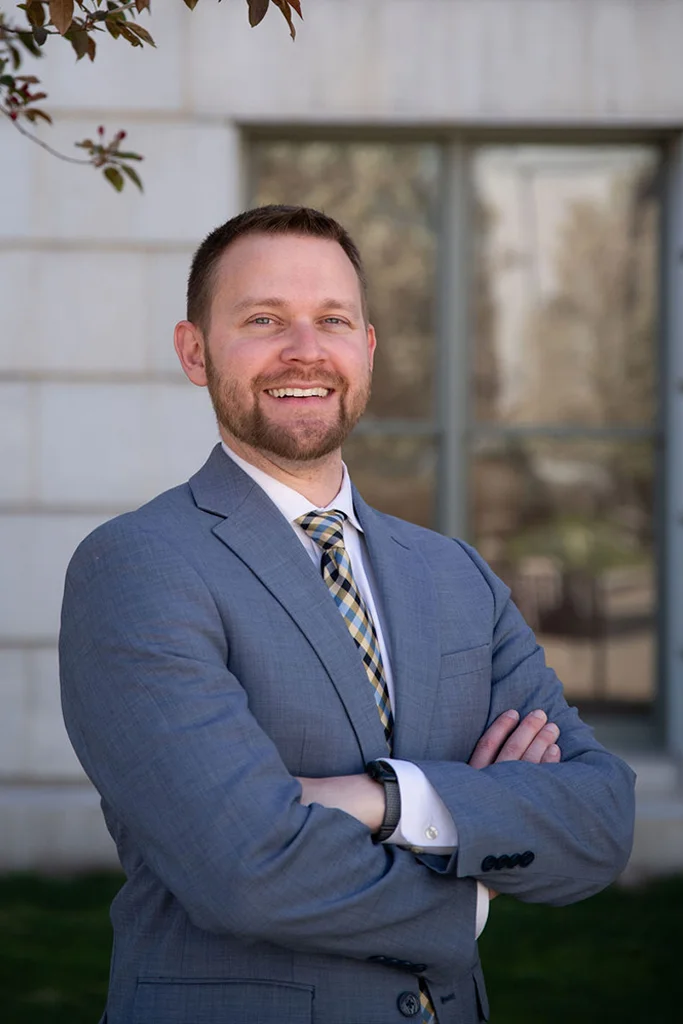
A DWAI charge in Jefferson County moves fast, and the window to protect your license and your record is narrower than most people realize. Driving While Ability Impaired is Colorado’s lesser impaired driving offense, sitting below DUI on the statutory ladder, but that relative standing can be misleading. A DWAI conviction still produces a criminal record, mandatory points against your license, fines, potential jail time for repeat offenses, and consequences that follow you into job applications, professional licensing, and background checks for years. If you were stopped on I-70 heading toward Evergreen, pulled over near Golden on US-6, or arrested after leaving a brewery in Lakewood, the charge you are facing deserves a thorough defense rather than a fast plea. Jefferson County DWAI lawyer Reid DeChant at DeChant Law has spent his career handling exactly these cases, and he brings a level of trial experience and preparation that most people never expect from their first call to a defense attorney.
Colorado sets the DWAI threshold at a blood alcohol content of 0.05 to 0.079, which catches people who may not feel impaired and did not expect to be over any legal limit. The name itself, driving while ability impaired, reflects that even slight impairment that affects a driver to the slightest degree is enough to trigger the charge. That low threshold creates real problems for drivers who had a couple of drinks over dinner, who consumed cannabis legally before driving, or whose breathalyzer result sits in an ambiguous range. It also creates real opportunities for a defense attorney who understands how to scrutinize roadside testing procedures, the accuracy of breath and blood testing equipment, and the officer’s observations leading to the stop.
Jefferson County courts are not lenient simply because a DWAI is the lesser charge. The Jefferson County courthouse in Golden handles a steady volume of impaired driving cases, and prosecutors treat DWAI as a real criminal matter. Repeat offenses, a commercial driver’s license, a child in the vehicle, or a DWAI following a prior DUI conviction all elevate the consequences substantially. What looks like a minor matter at first can quickly develop into something with lasting professional and personal consequences if it is not handled with the seriousness it requires.
What Makes DeChant Law the Right Choice for Jefferson County DWAI Defense
Reid DeChant built his defense practice on the kind of trial experience that comes from years inside actual courtrooms, not just from reading case law. His background as a former public defender gave him an unusually high volume of hands-on trial work defending clients on charges ranging from traffic offenses and DUI to felony assault and homicide across Denver, Broomfield, and Adams County courtrooms. That experience translates directly into how he approaches DWAI cases in Jefferson County, because he knows how prosecutors build these cases, what arguments resonate with juries and judges, and where the weaknesses in impaired driving investigations tend to appear. The firm’s case results include multiple DUI and DUI-Drugs cases resulting in Not Guilty verdicts at trial and outright dismissals across Jefferson County specifically, including a DUI 3rd out of Jefferson County that went Not Guilty at Trial, a DUI-Drugs out of Jefferson County that went Not Guilty at Trial, and a DUI out of Jefferson County that was dismissed entirely. Those are real outcomes in Jefferson County courts, not aggregate statistics from somewhere else.
Reid is also a graduate of the Trial Lawyers College, the training program founded by attorney Gerry Spence that teaches defense lawyers to build genuine human connections in the courtroom and to present their clients as full people rather than as names on a charging document. That approach matters in DWAI cases because the line between a conviction and an acquittal often comes down to credibility, the jury’s understanding of what actually happened, and whether they believe the stop and investigation were conducted fairly. Reid also maintains active membership in the National Association of Criminal Defense Lawyers and the Colorado Criminal Defense Bar, keeping his practice current with the latest defense strategies and legal developments in impaired driving law. Clients who work with Reid know from the first conversation that they will be informed at every step and treated as a partner in their own defense.
DWAI Charges and Related Consequences Jefferson County Residents Face
- First-Offense DWAI: A first DWAI conviction under Colorado law can result in two to 180 days in jail, fines ranging from $200 to $500, eight points on the driver’s license, and required public service hours, making even a single conviction a meaningful criminal record entry.
- DWAI by Drugs (DUID): Colorado law separately addresses driving under the influence of drugs, and DWAI-level impairment by cannabis, prescription medications, or other controlled substances carries the same statutory penalties as alcohol-based DWAI, with added complexity around how drug impairment is tested and proven.
- DWAI with a Prior DUI or DWAI: A second or subsequent impaired driving offense escalates penalties significantly, including longer mandatory jail terms, larger fines, longer license revocations, and the real possibility of ignition interlock requirements stretching over multiple years.
- DMV Express Consent Hearings: Colorado’s Express Consent law means that a DWAI arrest triggers a separate administrative proceeding at the DMV that is entirely independent of the criminal case. Without prompt action, a license revocation can happen automatically, regardless of what occurs in the criminal court. These hearings have their own deadlines and procedural requirements.
- Commercial Driver’s License Holders: CDL holders face a lower impairment threshold under federal regulations and Colorado law, and a DWAI conviction can result in disqualification from holding a commercial license, which for professional drivers means the end of their livelihood.
- DWAI Near School Zones or with Minors Present: Certain aggravating circumstances, including the presence of a child passenger under 16 in the vehicle, can elevate a DWAI to a child abuse charge under Colorado law, dramatically increasing the seriousness of the case.
- Impact on Professional Licenses: For nurses, teachers, real estate agents, attorneys, and other professionals licensed by the state, a DWAI conviction may trigger mandatory disclosure and disciplinary proceedings with the relevant licensing board, creating consequences that extend well beyond the criminal court.
What to Do After a DWAI Arrest in Jefferson County
The most important thing to understand immediately after a DWAI arrest in Jefferson County is that two separate legal processes start running at once. The criminal case will be filed in the Jefferson County District Court located in Golden, which handles all misdemeanor and felony criminal matters arising from the county. That case has its own timeline, starting with an arraignment where you will enter a plea. But the DMV Express Consent process begins the moment you either refused a chemical test or registered a result at or above the relevant threshold. Colorado law gives you a very short window to request a hearing with the Colorado Department of Revenue, Division of Motor Vehicles to contest the automatic revocation of your license. Missing that deadline means the revocation takes effect without any hearing at all. An attorney who handles both the criminal case and the DMV hearing simultaneously can challenge the stop, the testing procedures, and the advisement process at both levels, which is why calling a Jefferson County DWAI attorney immediately after an arrest matters more than most people realize.
Preserve everything you can from the night of the arrest. If you were at a restaurant, bar, or event in Lakewood, Arvada, Wheat Ridge, or anywhere else in Jefferson County, keep your receipts showing what you consumed and when. Note the names of anyone who was with you and can describe your condition. Photograph your vehicle if there was any interaction involving the car’s condition. Write down your own recollection of the traffic stop while it is fresh, including what the officer said, what field sobriety tests were administered, and how those tests were explained to you. The field sobriety testing protocols have specific standardized procedures, and deviations from those procedures can undermine the reliability of the results.
A common mistake people make after a DWAI arrest is assuming that because DWAI is the lesser charge, they can handle it quickly by accepting a plea without fully understanding what they are agreeing to. Pleading guilty without thoroughly reviewing the evidence means you may be accepting a conviction and a criminal record even in cases where the traffic stop lacked legal justification, the breath test machine had calibration issues, or the officer failed to follow the required advisement procedures before administering the test. These are real issues that arise in real Jefferson County cases, and they require a thorough case review before any decision about how to proceed is made.
How DWAI Cases Actually Develop from Arrest Through Resolution
After an arrest and initial appearance, the Jefferson County District Attorney’s Office will review the case and formally file charges. The discovery process then produces the police reports, the officer’s body camera footage, the breath or blood test results, the maintenance and calibration records for any testing device used, and any other documentation from the investigation. This is where DWAI defense work actually happens, in the careful review of whether the stop was constitutionally justified, whether the officer properly conducted the field sobriety tests according to the standardized procedures they were trained on, and whether the chemical test results are reliable given the specific device, conditions, and procedures used that night.
Breath testing instruments require regular calibration and maintenance, and records showing gaps in that maintenance or test failures can provide grounds to challenge the admissibility of the result. Blood testing requires proper collection, handling, and storage protocols, and a sample that was not properly preserved or that was tested using methods outside accepted standards may not be reliable enough to form the basis of a conviction. Officers are trained to administer standardized field sobriety tests in specific ways under specific conditions, and a test administered on uneven pavement, in inadequate lighting, while the subject is wearing inappropriate footwear, or without proper instructions can produce misleading results that do not accurately reflect impairment. These are not technicalities. They are the core factual questions on which a DWAI case turns, and they require an attorney who knows exactly what to look for and how to present those issues both in pretrial motions and at trial if the case does not resolve before then.
Many Jefferson County DWAI cases do resolve before trial, through negotiations that may result in reduced charges, deferred judgments, or other outcomes that limit long-term consequences. But the strength of those negotiations depends entirely on whether the defense has identified real weaknesses in the prosecution’s case. An attorney who has not done the thorough investigative work has nothing to negotiate with. The trial experience Reid brings to the table matters even in cases that never reach a jury, because prosecutors know when they are dealing with a lawyer who is genuinely prepared to take a case to verdict.
Questions About DWAI Cases in Jefferson County
What is the difference between DWAI and DUI in Colorado?
DUI in Colorado applies when a driver’s blood alcohol content is 0.08 or higher, or when the driver is substantially impaired by alcohol or drugs. DWAI applies at a lower level, when BAC is between 0.05 and 0.079, or when the driver is impaired to the slightest degree. DWAI carries lower statutory penalties than DUI on a first offense, but it still results in a criminal record and license points, and it can be used as a prior offense to increase penalties for any future impaired driving charge.
Will a DWAI conviction appear on a background check?
Yes. A DWAI conviction in Colorado is a criminal conviction, and it will appear on standard criminal background checks. Unlike some minor infractions, DWAI is not automatically sealed or expunged. Eligibility for sealing a DWAI conviction depends on the specific circumstances of the case and the time elapsed since the conviction, and not all DWAI convictions are eligible for sealing under Colorado law.
Can I refuse a breath or blood test in Jefferson County?
Colorado’s Express Consent law means that by driving on Colorado roads, you have implicitly consented to chemical testing when a law enforcement officer has reasonable grounds to believe you are impaired. Refusing the test is permitted, but refusal triggers its own automatic license revocation under the administrative process, and refusal can also be presented to a jury as evidence of consciousness of guilt. Whether refusal was a better or worse decision than taking the test depends heavily on the specific facts of the case.
How does the DMV Express Consent hearing work separately from the criminal case?
The Express Consent hearing is an administrative proceeding conducted by the Colorado Department of Revenue, Division of Motor Vehicles. It is entirely separate from the criminal court process and focuses solely on whether your license should be revoked based on the chemical test result or refusal. You must request this hearing within seven days of your arrest or the automatic revocation takes effect. The hearing is conducted by a hearing officer, not a judge, and has its own rules of evidence and burden. A favorable outcome at the DMV hearing does not resolve the criminal case, and a conviction in criminal court does not automatically resolve the DMV matter in the same direction.
What happens if I have a prior DUI and am now charged with DWAI in Jefferson County?
A prior DUI conviction on your record changes the penalty analysis significantly for a subsequent DWAI. Colorado tracks prior impaired driving offenses, and a second offense within a lookback period carries mandatory minimums, longer potential jail terms, larger fines, and the real possibility of an ignition interlock requirement on any reinstated driving privileges. The specific consequences depend on how recent the prior conviction was and how many prior offenses exist on the record, which makes early review of the prior history an essential part of building the defense strategy.
Does DWAI affect my ability to keep a professional license in Colorado?
It can, depending on the profession. Many Colorado licensing boards, including those governing nurses, real estate agents, teachers, and contractors, require disclosure of criminal convictions. A DWAI conviction may trigger a review, a disciplinary proceeding, or conditions on the license depending on the board’s standards and the nature of the work. The impact varies widely by profession, and for anyone holding a state license, the professional consequences may ultimately be as significant as the criminal penalties themselves.
What if my BAC was exactly at 0.05 or just above it? Is that really enough for a DWAI?
Colorado law does establish a legal presumption at certain BAC levels, but a BAC in the 0.05 to 0.079 range does not automatically mean a conviction is certain. The prosecution still has to prove impairment beyond a reasonable doubt in the criminal case. Testing errors, physiological factors that affect how breathalyzers read alcohol concentration, and the timing between when you were driving and when the test was administered can all affect the reliability of the result. A BAC reading in that range is worth scrutinizing carefully rather than accepting as conclusive.
Can DWAI charges in Jefferson County be reduced or dismissed?
Charges get reduced or dismissed in Jefferson County DWAI cases when the defense uncovers problems with the investigation, the traffic stop, the testing procedures, or the admissibility of evidence. Cases have been dismissed because officers failed to properly advise drivers of their Express Consent rights, because chemical tests were administered outside the required timeframe, or because the initial stop lacked legal justification. The results listed on the DeChant Law website include DWAI and DUI cases dismissed entirely across Jefferson County and surrounding jurisdictions, reflecting the kind of substantive investigative work that creates these outcomes.
How long does a Jefferson County DWAI case typically take to resolve?
A straightforward DWAI case that resolves through a plea agreement can take anywhere from a few months to the better part of a year, depending on the court’s docket, the complexity of the discovery, and how long negotiations take. Cases that proceed to trial take longer. Jefferson County courts manage a substantial criminal docket, and scheduling hearings and trial dates involves working within that system’s timelines. The DMV process runs on its own separate timeline and is typically faster than the criminal case.
Should I accept a plea offer on a DWAI charge without going to trial?
That is a decision that can only be made thoughtfully after reviewing all of the evidence, understanding the strength of both the prosecution’s case and the available defenses, and fully understanding what the plea actually requires you to agree to and what consequences it carries. Some DWAI cases genuinely resolve best through negotiated pleas. Others have weaknesses that make a trial the better option. No one should accept a plea on a criminal charge without first understanding what all of the realistic options look like, which requires having an attorney who has done the work to evaluate the case thoroughly.
Jefferson County DWAI Defense Across the Communities We Serve
DeChant Law represents clients facing DWAI charges throughout Jefferson County and the surrounding region. Within Jefferson County, the firm handles cases originating from Lakewood, Golden, Arvada, Wheat Ridge, Littleton, Englewood, Edgewater, Lakeside, Morrison, Evergreen, Conifer, and the mountain communities along US-285 and I-70 including Indian Hills, Kittredge, and Genesee. Jefferson County encompasses a wide range of enforcement corridors, from the busy commercial stretches of Wadsworth Boulevard and Kipling Street through Lakewood to the canyon routes along Clear Creek and Bear Creek that see increased patrol activity on weekends. The firm also represents clients from neighboring Adams County, Broomfield County, Denver County, and Arapahoe County, reflecting Reid DeChant’s deep familiarity with courts across the Front Range metropolitan area. Whether the arrest happened at a traffic stop near Red Rocks, on I-70 westbound near the Genesee exit, or on one of the residential streets in Arvada or Wheat Ridge, DeChant Law has handled cases in these communities and in these courts.
Talk to a Jefferson County DWAI Attorney About Your Case
A DWAI arrest is not a foregone conclusion, and the decisions made in the weeks following it will shape the outcome more than people expect. Reid DeChant is a Jefferson County DWAI attorney with real trial experience in Jefferson County courts, a genuine record of successful results in impaired driving cases in this jurisdiction, and the commitment to actually investigate your case before recommending any course of action. At DeChant Law, every client is informed, consulted, and represented by someone who treats the outcome of the case as something that genuinely matters. Call DeChant Law to schedule a consultation and start understanding what your defense actually looks like.