Jefferson County DMV Hearing Lawyer
A DMV hearing in Jefferson County is not a formality, and it is not something you can afford to treat as a secondary concern while you focus on your criminal DUI case. The two proceedings run on separate tracks, and losing your driver’s license at the DMV level can happen even if your criminal case is eventually dismissed or results in an acquittal. When a law enforcement officer arrests you for DUI in Jefferson County and requests a chemical test, the clock on your license starts running immediately. If you do not request a DMV hearing within the required timeframe after your arrest, your license will be revoked automatically, regardless of what happens in court. A Jefferson County DMV hearing lawyer gives you the chance to stop that from happening.
Jefferson County generates a substantial volume of DUI arrests every year. The stretch of US-6 through Golden, the C-470 corridor, I-70 heading into the mountains, and the areas surrounding Red Rocks Amphitheatre, especially on concert nights, are consistent enforcement zones for Colorado State Patrol and Jefferson County Sheriff’s deputies. Many of the drivers arrested in these areas had no idea how quickly the administrative process moves after an arrest. The Colorado Department of Revenue’s Division of Motor Vehicles operates independently from the criminal courts, and it has its own rules, its own hearings, and its own grounds for revocation that your criminal defense attorney needs to attack directly and aggressively.
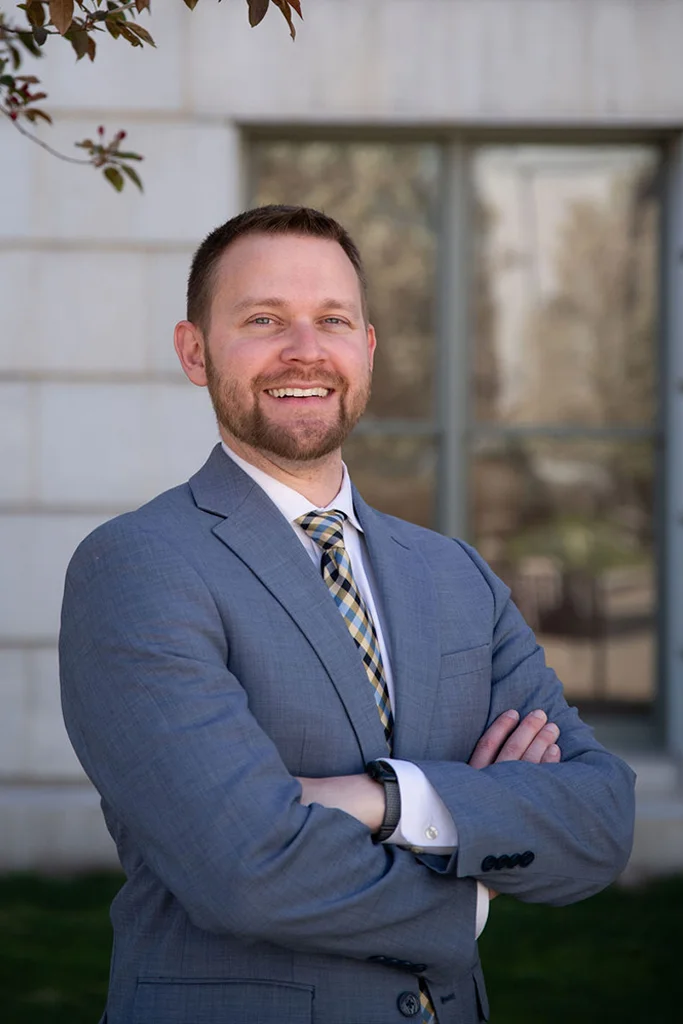
At DeChant Law, Reid DeChant has handled DMV Express Consent hearings across Jefferson County and the surrounding jurisdictions. His case results include multiple DMV Express Consent actions dismissed on grounds ranging from improper advisements to improper chemical test administration, including cases dismissed because the chemical test was not administered within the required two-hour window. That kind of outcome does not happen by accident. It happens because the attorney understands the procedural and evidentiary vulnerabilities in these hearings and knows exactly how to exploit them.
What Actually Happens at a Jefferson County DMV Express Consent Hearing
Colorado’s Express Consent law means that by driving on Colorado roads, you have implicitly agreed to submit to chemical testing if an officer has reasonable grounds to believe you are impaired. When you are arrested for DUI or DWAI and the officer invokes Express Consent, the resulting DMV hearing is called an Express Consent hearing. This is an administrative proceeding before a hearing officer employed by the Colorado Division of Motor Vehicles, not a judge, not a jury, and not anyone who owes any deference to what happens in your criminal case.
The hearing officer’s job is narrow. They are examining a specific set of questions: whether the officer had reasonable grounds to believe you were driving under the influence, whether you were lawfully arrested, whether you were properly advised of your Express Consent rights, and whether you either refused the test or took it and registered at or above the legal limit. Each of those elements is a potential point of attack. The advisement must be given correctly, in the proper form, and at the proper time. The chemical test, whether breath or blood, must be administered within two hours of driving. The arresting officer’s grounds for the stop and arrest must satisfy the legal standard. If any of these elements falls short, the hearing officer has the authority to dismiss the action and restore your license.
What makes these hearings particularly consequential is the speed at which they move. You typically have only seven days from the date of your arrest to request a hearing with the DMV. Missing that deadline means you have no hearing, no opportunity to contest the revocation, and no license. An attorney working your case from the moment of arrest makes sure that deadline does not slip by, subpoenas the officer to appear, and begins building the challenge to the revocation from day one.
What DeChant Law Brings to Jefferson County DMV Defense
Reid DeChant’s background as a former public defender gave him an unusual level of exposure to DUI cases across multiple Colorado jurisdictions, including Jefferson County. Public defenders handle volume, which means Reid spent years in courtrooms across the Denver metro area developing an instinct for which challenges succeed and which ones do not. That foundation matters in DMV hearings because these proceedings are fast, the record is limited, and every argument needs to be precise.
Reid is also a graduate of the Trial Lawyers College, the program founded by Gerry Spence that trains lawyers in authentic advocacy and the ability to tell a client’s story in a way that connects with decision-makers. While a DMV hearing officer is not a jury, the ability to construct a coherent, compelling challenge to the officer’s conduct and the procedural integrity of the arrest is exactly the kind of skill that separates a hearing that gets dismissed from one that results in revocation. The DMV results on DeChant Law’s website reflect this directly. Multiple Express Consent actions have been dismissed following hearings, including dismissals for failure to advise Miranda before Express Consent, improper Express Consent advisement, and failure to administer the chemical test within the required window.
Reid holds membership in the National Association of Criminal Defense Lawyers and the Colorado Criminal Defense Bar, associations that keep him connected to developments in DUI law and DMV practice across the state. Colorado’s administrative license revocation process has its own body of developing case law and procedural guidance, and staying current on those developments is part of doing this work at a high level. When you hire Reid DeChant as your Jefferson County DMV hearing attorney, you are working with someone whose DUI-focused training and track record are directly relevant to the administrative proceeding you are facing, not a generalist who handles DMV hearings as a side project.
The Charges and Situations That Trigger DMV Hearings in Jefferson County
- DUI – Driving Under the Influence: A DUI arrest triggers an Express Consent action when the driver registers a BAC of 0.08 or above on a breath or blood test, or refuses testing entirely. Jefferson County law enforcement frequently uses SFST roadside testing on US-285, US-6, and I-70 before making these arrests.
- DWAI – Driving While Ability Impaired: A DWAI charge can also result in DMV action. Even a BAC between 0.05 and 0.08 can trigger revocation proceedings under certain circumstances, and the Express Consent hearing process applies regardless of which charge the officer writes.
- Drug-Impaired Driving: DUI-D arrests involving controlled substances, including marijuana, prescription medications, or other drugs, can trigger DMV proceedings. Blood testing is the only option for drug cases, and the timing and handling of the blood draw become critical issues in the hearing.
- Chemical Test Refusal: Refusing to take the chemical test does not avoid a DMV revocation. Under Colorado law, refusal carries its own revocation consequence, often longer than a failed test, and the refusal itself becomes the subject of the Express Consent hearing.
- Commercial Driver’s License Holders: CDL holders face stricter legal limits and additional DMV consequences on top of standard revocation. A finding against a CDL holder at an Express Consent hearing can affect not just a personal license but an entire career in transportation or trucking.
- Underage DUI Arrests: Drivers under 21 are subject to stricter legal limits under Colorado’s zero-tolerance framework. A DMV action following an underage DUI arrest can affect a young driver’s ability to get to school, work, or family obligations, and contesting it through a hearing is almost always worth pursuing.
- Second and Third DUI Offenses: Repeat DUI offenses carry longer revocation periods and may trigger Ignition Interlock requirements. The stakes at the DMV hearing level are considerably higher for repeat offenders, making legal representation at the hearing stage even more critical.
What to Do After a DUI Arrest in Jefferson County
The most important thing to understand after a DUI arrest in Jefferson County is that the DMV process and the criminal process are both happening at the same time, and they require attention simultaneously. The criminal case will move through the Jefferson County Court, located at the Jefferson County Combined Courts complex in Golden, at 100 Jefferson County Pkwy. Your arraignment, any hearings, and your trial, if it comes to that, will happen there. The DMV action, however, is handled through the Colorado Division of Motor Vehicles, and that process starts immediately after your arrest regardless of when your first court date is scheduled.
Requesting the DMV hearing is the first and most urgent step. Colorado law gives you a narrow window from the date of arrest to make this request. If you miss that window, the revocation becomes automatic and cannot be challenged through the hearing process. Contacting an attorney within the first 24 to 48 hours of an arrest gives you the best chance of preserving your hearing rights and beginning the process of subpoenaing the arresting officer, obtaining the police report and any video footage from the stop, and reviewing the chemical test records for procedural deficiencies.
One of the most common mistakes drivers make after a DUI arrest is assuming the DMV hearing is not worth contesting. Some drivers believe that because their BAC was over the legal limit, nothing can be done. That assumption is wrong. The hearing officer cannot sustain the revocation unless every element of the Express Consent process was properly followed. Errors in the advisement, problems with the timing of the chemical test, officer conduct issues, or a failure to establish the legal basis for the stop can all result in dismissal of the action even when the BAC was above 0.08. The only way to know whether those issues exist in your case is to have an attorney review the record and subpoena the officer to testify.
It is also worth understanding that winning at the DMV hearing level does not automatically resolve your criminal case, but it matters in practical terms. Keeping your license while your criminal case proceeds allows you to continue working, supporting your family, and moving through the legal process without the immediate hardship of losing the ability to drive. And a dismissal at the DMV level can sometimes create useful evidence or admissions that carry weight in the criminal proceeding.
Common Questions About Jefferson County DMV Hearings
What is the deadline to request a DMV hearing after a DUI arrest in Jefferson County?
Colorado law sets a strict deadline from the date of your arrest to request an Express Consent hearing with the DMV. Missing this deadline means the revocation takes effect automatically without any opportunity to contest it. The exact timeframe is controlled by Colorado statute, and you should contact an attorney immediately after your arrest to confirm the applicable deadline in your specific case.
Can I still drive while my DMV hearing is pending?
In most cases, requesting a hearing within the required timeframe allows you to continue driving under a temporary permit while the hearing is scheduled and held. Once the hearing is requested, the revocation is typically stayed until the hearing officer issues a decision. This is one of the primary reasons requesting the hearing promptly matters so much.
What happens if I refused the chemical test?
Refusing the chemical test does not avoid a DMV action. Colorado’s Express Consent law treats refusal as its own basis for revocation, and the revocation period for refusal is generally longer than for a failed test. The hearing in a refusal case focuses on whether you were properly advised of the consequences of refusal and whether the refusal was knowing and voluntary. Those are still contestable issues.
Does the outcome of my criminal case affect my DMV hearing?
Not directly. The DMV proceeding is entirely separate from the criminal case, and the hearing officer is not bound by what happens in Jefferson County Court. An acquittal in the criminal case does not automatically restore your license. Conversely, a dismissal of the DMV action does not mean the criminal charges disappear. Both must be addressed independently.
What are the most common reasons DMV Express Consent actions get dismissed?
Based on the case results reflected in DeChant Law’s track record, dismissals have resulted from: failure to properly advise of Miranda rights before administering the Express Consent advisement, an improper or defective Express Consent advisement, failure to administer the chemical test within two hours of driving, and other procedural deficiencies in how the arrest or testing was conducted. Not every case has these issues, but a thorough review of the police report and testing records is necessary to determine whether they exist in yours.
Does it matter which officer made the arrest or which department they work for?
Yes. Jefferson County DUI arrests are made by multiple agencies, including Jefferson County Sheriff’s deputies, Colorado State Patrol, and the police departments of Lakewood, Arvada, Golden, Wheat Ridge, and other municipalities. Different agencies use different blood draw protocols, different advisement forms, and different in-car camera systems. Knowing the specific agency’s practices and procedures can affect how the hearing is contested and what records need to be subpoenaed.
Can my Jefferson County DMV hearing be used against me in the criminal case?
Anything that happens at a DMV hearing is part of a sworn, recorded proceeding. The officer’s testimony at the hearing can be relevant to the criminal case, and in some circumstances the record from the DMV hearing creates admissions or inconsistencies that can be useful later. An attorney who is handling both the DMV and criminal aspects of your case can structure the hearing strategy with both proceedings in mind.
What happens to my Commercial Driver’s License if I lose the DMV hearing?
CDL holders face consequences that go well beyond a standard driver’s license revocation. Federal regulations impose their own disqualification standards for commercial drivers, and a finding at a Colorado DMV hearing can trigger CDL disqualification under those federal rules. If you hold a CDL and have been arrested for DUI while operating any vehicle, whether commercial or personal, the DMV hearing has career implications that make legal representation urgent.
What if the blood test results took weeks to come back and my hearing was already scheduled?
Blood test cases in Colorado often involve a delay between the arrest and the receipt of lab results. How this affects the Express Consent hearing depends on the specific procedural posture of the case. An attorney familiar with how Colorado DMV hearings handle blood test cases, including the timing issues that arise when lab results are delayed, can advise you on how the timing affects your strategy.
Is it worth requesting a DMV hearing if my BAC was well above 0.08?
Yes. The BAC result is only one element of the Express Consent hearing. The hearing officer must also find that the arrest was lawful, that the advisement was properly given, and that the test was properly administered within the required timeframe. None of those elements depends on how high the BAC was. A high BAC does not cure a defective advisement or an improperly timed blood draw. Reviewing the record is the only way to know whether grounds for dismissal exist, and that review is only possible if you request the hearing and get an attorney involved.
DMV Hearing Representation Across Jefferson County and the Surrounding Region
DeChant Law represents drivers facing DMV Express Consent actions throughout Jefferson County and the broader Denver metro area. Within Jefferson County, clients come from Golden, Lakewood, Arvada, Wheat Ridge, Littleton, Edgewater, Evergreen, Morrison, Conifer, Indian Hills, Kittredge, Bow Mar, Columbine Valley, Genesee, Applewood, and unincorporated communities throughout the county’s western and mountain portions. Arrests along I-70 heading toward Evergreen, Genesee, and the mountain corridor generate a significant share of Jefferson County DUI cases, as do enforcement operations in the commercial corridors of Lakewood and Arvada.
Beyond Jefferson County, the firm also handles DMV hearings arising from DUI arrests in Arapahoe County, Douglas County, Broomfield County, Adams County, and Denver County. Clients traveling through these jurisdictions, whether on business or heading home from an event, face the same DMV hearing process regardless of which county the arrest occurred in, and DeChant Law’s familiarity with how different county courts and law enforcement agencies operate adds useful context to how these hearings are approached.
Jefferson County DMV Hearing Attorney Ready to Represent You
The window to act after a DUI arrest closes quickly, and the consequences of inaction at the DMV level are permanent for that arrest cycle. If you have been arrested for DUI or DWAI anywhere in Jefferson County or the surrounding area, contacting a Jefferson County DMV hearing attorney in the immediate aftermath of your arrest is the most consequential step you can take to protect your license. Reid DeChant has demonstrated results at the DMV hearing level across multiple jurisdictions, including dismissed Express Consent actions on procedural and substantive grounds. He will review the arrest record, subpoena the officer, and build the strongest possible challenge to the revocation while simultaneously working your criminal case. Call DeChant Law today to discuss your DMV hearing before the deadline to request one has passed.