Fremont County Criminal Defense Lawyer
Fremont County sits at a crossroads between Colorado’s mountain terrain and its eastern plains, and the criminal cases that move through its courts reflect that geography, from DUI arrests along Highway 50 to drug charges tied to I-25 corridor traffic, domestic violence allegations in Canon City, and serious felonies that carry the weight of state prison time at the Colorado State Penitentiary just miles from the courthouse. When charges get filed here, you are dealing with a county that has its own prosecutorial culture, its own judges, and its own law enforcement agencies, and understanding how those pieces fit together matters enormously to how your case unfolds. A Fremont County criminal defense lawyer who has stood in front of Colorado juries, challenged evidence in suppression hearings, and taken cases all the way through trial is not interchangeable with someone who simply reviews paperwork and hopes for a plea deal.
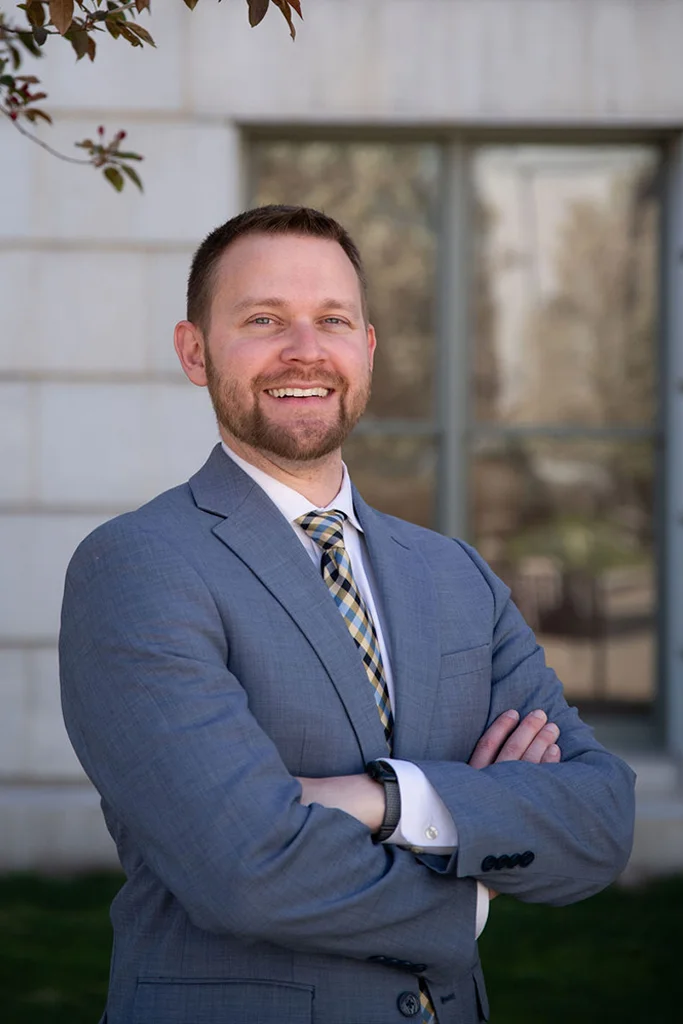
Reid DeChant built his practice on exactly that kind of trial-tested foundation. Former public defenders who have handled everything from traffic offenses to homicides develop a different instinct for criminal cases than attorneys who only rarely see the inside of a courtroom. That instinct matters when the prosecution is pushing hard for a conviction and the evidence against you looks, at first glance, overwhelming. Appearances in criminal cases are often deceiving, and the work of a real defense happens long before a verdict is read.
Whatever you are facing in Fremont County, the weeks immediately after an arrest are the most consequential. Evidence gets preserved or lost. Witnesses become harder to locate. The prosecution builds its case while the defense should be doing the same. Acting quickly, and acting with purpose, separates outcomes that derail a life from outcomes that protect it.
What Reid DeChant Brings to Your Fremont County Defense
Reid DeChant’s background is not the standard private defense attorney résumé. His time as a public defender gave him the kind of courtroom volume that most attorneys in private practice never accumulate, handling cases across Denver, Adams County, and Broomfield County courts, defending clients charged with DUI, assault, felony offenses, sexual assault, theft, and homicide. That breadth of exposure means that when Reid walks into the Fremont County Justice Center, he has seen versions of your situation before, and he knows what works and what does not.
Reid is a graduate of the Trial Lawyers College, the program founded by attorney Gerry Spence that trains lawyers in psychodrama, narrative, and genuine human connection in the courtroom. This training shapes how Reid approaches every client relationship and every courtroom appearance. Colorado juries respond to honest storytelling, and Reid’s ability to present a client’s full humanity to a jury distinguishes him from attorneys who treat defense as a mechanical process of filing motions and attending hearings. His track record includes not guilty verdicts in DUI cases, DUI-drug cases, assault cases, domestic violence charges, and charges as serious as failure to register as a sex offender. He holds membership in the National Association of Criminal Defense Lawyers and the Colorado Criminal Defense Bar, keeping him connected to the best defense strategies being developed anywhere in the country.
For someone facing charges in Fremont County, the combination of trial experience, narrative training, and genuine client investment is not a marketing claim. It is the difference between a lawyer who will advocate for a plea and a lawyer who will hold the prosecution to every element of its burden and fight for the outcome you actually deserve.
Charges Commonly Defended in Fremont County Courts
- DUI and DWAI: Canon City and the surrounding Fremont County communities sit along Highway 50 and near major recreational areas, creating enforcement patterns around nighttime traffic stops and sobriety checkpoints. Colorado’s DWAI standard applies at lower blood alcohol levels than DUI, and both carry license, criminal, and DMV consequences that require parallel defense strategies.
- Domestic Violence Charges: Colorado’s mandatory arrest law means that when law enforcement responds to a domestic dispute, someone is almost always taken into custody, even when the responding officers have only one side of the story. Domestic violence designators attached to assault or harassment charges carry mandatory conditions of release, treatment requirements, and restrictions on firearm possession that affect life well beyond the courtroom.
- Drug Possession and Distribution: Fremont County’s position along transportation corridors means drug charges range from simple possession of controlled substances to allegations of distribution or conspiracy. The specific substance, quantity, and circumstances of the stop or search drive the charge level, and unlawful searches remain one of the most viable suppression issues in Colorado drug cases.
- Assault and Violent Felonies: Third degree assault, second degree assault, and felony menacing each carry distinct penalty ranges under Colorado law. Whether the allegation involves a bar altercation in Canon City or a dispute that escalated at a private residence, the facts that the prosecution relies on and the facts that support a defense are often very different stories.
- Theft and Property Crimes: Theft charges in Colorado are tiered by value, ranging from petty offenses to serious felonies. Shoplifting, burglary, motor vehicle theft, and fraud allegations all move through the Fremont County system on different tracks, and the charging decision made by the DA’s office often reflects the strength of the evidence rather than the actual conduct alleged.
- Traffic Offenses and Vehicular Crimes: Careless driving, reckless driving, vehicular assault, and related charges frequently accompany DUI arrests or arise from accidents on Highway 50 and the mountain roads running through Fremont County. These carry license points, insurance consequences, and in serious cases, felony exposure that demands careful defense from the start.
- Probation Violations: Because Fremont County is home to multiple correctional facilities and a significant supervised population, probation violation allegations are common. A violation filing can expose someone to the full sentence previously suspended, and the hearing process moves quickly, leaving little time to respond without counsel already in place.
How the Fremont County Criminal Process Actually Unfolds
Cases in Fremont County move through the Fremont County Combined Courts, located in Canon City. That courthouse handles both district court felony matters and county court misdemeanor cases, with Fremont County District Attorney’s Office prosecutors handling the caseload. The Canon City Police Department, the Fremont County Sheriff’s Office, and the Colorado State Patrol are the primary arresting agencies, and understanding how each agency typically builds its cases informs how a defense attorney prepares to challenge them.
After an arrest, the process begins with a bond hearing and advisement, where charges are formally presented and release conditions are set. In cases involving domestic violence allegations, mandatory protection orders are entered at this stage, which affects where a person can live and who they can contact even before any evidence has been tested. Getting the right attorney before or immediately after this first hearing matters, because the conditions set at advisement can restrict daily life for months while the case is pending.
Discovery comes next, meaning the prosecution’s obligation to share the evidence it intends to use: police reports, bodycam footage, lab results, witness statements, and any other material supporting the charges. Defense review of discovery is not just paperwork management. It is the stage where the real defense begins, identifying what the evidence actually shows, what it does not show, and whether law enforcement acted lawfully in gathering it. Suppression motions challenging unlawful stops, searches, or Miranda violations can reshape or end a case before it ever reaches trial.
Pretrial conferences and motions hearings follow. For misdemeanors, cases often resolve through negotiations or bench trials in county court. For felonies, the district court process is longer and involves preliminary hearings or grand jury proceedings before trial can begin. Reid has handled all of these phases across Colorado jurisdictions, and his approach does not change based on the level of charge. Every case gets the same rigorous preparation.
One mistake many people make is waiting too long to retain counsel, believing they can handle early appearances alone or that the situation will resolve itself. It rarely does. The prosecution does not slow down, and early decisions made without legal advice frequently create problems that are difficult or impossible to correct later in the process. Contacting a Fremont County criminal defense attorney within the first 24 to 72 hours after an arrest gives the defense the best possible position from which to work.
What Colorado’s Sentencing Framework Means for Fremont County Cases
Colorado uses a structured sentencing system for criminal offenses, with felonies divided into classes that carry presumptive sentencing ranges and misdemeanors carrying similar tiers. The difference between a class 4 felony and a class 5 felony is not just a number on paper; it represents years of potential imprisonment, thousands of dollars in fines, and a criminal record designation that follows someone into every job application, housing search, and professional licensing decision they face.
Extraordinary mitigating and aggravating circumstances can push sentences outside the presumptive range in either direction, and the presence of prior convictions dramatically affects what the prosecution will offer and what a judge may impose. Colorado also treats certain offenses, such as domestic violence charges, with mandatory designators that layer on top of the underlying sentence, requiring treatment programs, counseling, and ongoing supervision.
For DUI specifically, Colorado escalates penalties based on the number of prior convictions. A third or fourth DUI offense carries felony exposure under Colorado law, and even a first offense involves mandatory license revocation, alcohol education requirements, and possible jail or community service. The DMV proceeding that runs parallel to the criminal case, known as the Express Consent process, is separate and requires its own defense. Reid has successfully challenged DMV Express Consent actions to revoke driving privileges, including dismissals based on improper advisements and violations of the two-hour chemical testing window required under Colorado’s statutory framework.
Understanding what is at stake at every level of the sentencing framework is part of what allows a defense attorney to make intelligent decisions about whether to negotiate, whether to litigate a suppression issue, or whether to take a case to trial. Those decisions should never be made by someone operating without full knowledge of the Colorado criminal code and how it applies in Fremont County specifically.
Questions About Fremont County Criminal Defense
What court handles criminal cases in Fremont County?
Criminal cases in Fremont County are heard at the Fremont County Combined Courts in Canon City. Misdemeanors and traffic matters are handled in county court, while felony charges go to district court. Both divisions operate under the Fourth Judicial District, and the Fremont County District Attorney’s Office prosecutes cases at both levels.
How long does a criminal case typically take to resolve in Fremont County?
The timeline varies significantly by charge level. A simple misdemeanor may resolve within a few months. A felony case that involves discovery disputes, suppression motions, or a trial can take a year or longer from arrest to final resolution. Cases involving complex evidence, multiple co-defendants, or serious violent charges tend to move more slowly because both sides need adequate preparation time.
Can DUI charges in Fremont County be reduced or dismissed?
Yes, though the outcome depends heavily on the specific facts. Weak probable cause for the traffic stop, procedural errors in the breath or blood testing process, improper Express Consent advisements, or failure to administer a chemical test within the required statutory window are all grounds that have supported dismissals in Colorado DUI cases. DeChant Law has obtained dismissals in DMV Express Consent hearings on exactly these grounds.
What happens to my driver’s license after a DUI arrest in Colorado?
Colorado’s Express Consent law triggers an automatic license revocation process through the DMV that runs separately from your criminal case. You have a limited window after arrest to request a DMV hearing to contest the revocation. Missing that deadline typically results in an automatic revocation. Winning or losing in criminal court does not automatically determine the outcome of the DMV hearing, which is why both proceedings require attention from the moment of arrest.
Do domestic violence charges require the victim to press charges in Colorado?
No. Colorado law allows and often directs prosecutors to pursue domestic violence charges independent of whether the alleged victim wants to proceed. The decision to file and prosecute belongs to the DA’s office. Alleged victims who recant or refuse to cooperate can still be compelled to testify, though this creates its own set of evidentiary and strategic considerations that experienced defense counsel knows how to work with.
Will a criminal conviction in Fremont County affect my ability to own a firearm?
Certain convictions trigger state and federal firearm restrictions. Any felony conviction results in a prohibition on possessing firearms under both Colorado and federal law. Convictions with a domestic violence designator carry a separate federal restriction on firearm possession under the Lautenberg Amendment, regardless of the underlying offense level. This is one reason why the domestic violence designator on a misdemeanor can carry consequences that extend far beyond what the base charge alone would suggest.
What is the difference between a plea deal and going to trial in a Fremont County case?
A plea agreement involves negotiating with the prosecution to resolve the case on agreed terms, typically a guilty plea to a reduced charge or a sentence recommendation from the DA. A trial means the prosecution must prove every element of every charge beyond a reasonable doubt before a judge or jury. Both paths carry risk and opportunity. The right choice depends on the strength of the evidence, the potential sentences on the table, and what a realistic trial outcome looks like. An attorney who has actually taken cases to trial in Colorado can give you an honest assessment of both paths.
Can prior out-of-state convictions affect my Fremont County case?
Yes. Prior convictions from other states can be used to elevate charges, support habitual offender filings, or influence sentencing in Colorado. This is particularly significant in DUI cases, where prior convictions from other jurisdictions may count toward Colorado’s escalating DUI penalty structure. The treatment of prior out-of-state convictions is a nuanced area of Colorado law that requires careful analysis.
Is it worth fighting a misdemeanor charge in Fremont County or should I just take a plea?
That decision should never be made based on the charge level alone. Misdemeanor convictions appear on permanent criminal records, can affect employment and housing eligibility, and carry collateral consequences that compound over time. A misdemeanor with a domestic violence designator, for example, affects firearm rights under federal law. Before accepting any plea on any charge, speaking with a Fremont County criminal defense attorney who can honestly evaluate your case is worthwhile.
What should I say to police if I am arrested in Fremont County?
Beyond identifying yourself as required by Colorado law, you are not obligated to answer questions or explain your actions to law enforcement. Politely and clearly invoking your right to remain silent and your right to an attorney stops the interrogation legally. Statements made to police during or after arrest are regularly used against defendants at trial, and even innocent-sounding explanations can create problems. The safest course is to provide your identification and immediately ask for a lawyer.
Fremont County and Surrounding Communities Served by DeChant Law
DeChant Law represents clients across Fremont County and the neighboring communities of south-central Colorado. The firm handles cases originating in Canon City, Florence, Penrose, Brookside, Coal Creek, and the rural communities throughout the Fremont County foothills. Clients from Pueblo, Pueblo West, and Colorado City who face charges that intersect with Fremont County jurisdiction also work with DeChant Law. Cases arising from highway enforcement along the Highway 50 corridor through the Royal Gorge area, incidents near the prison and corrections facilities that bring significant traffic through the county, and matters originating in smaller Fremont County communities including Coaldale, Howard, and Cotopaxi all fall within the firm’s representation. Reid appears in courts throughout the Denver metro and surrounding Colorado jurisdictions, including Adams County, Arapahoe County, Jefferson County, Douglas County, and Broomfield County, and extends that same commitment to clients in Fremont County who need counsel with genuine trial experience behind them.
Speak With a Fremont County Criminal Defense Attorney at DeChant Law
A charge filed in Fremont County is not the end of the story. It is the beginning of a process where the decisions made in the first days and weeks carry lasting weight, and where the quality of your defense has a direct impact on what happens next. Reid DeChant is a Fremont County criminal defense attorney who has stood beside clients at the lowest moments of their lives, taken cases to trial when that was the right call, and fought DMV hearings, suppression motions, and jury trials across Colorado courtrooms. If you are facing charges in Canon City, Florence, or anywhere in Fremont County, do not sit on this. Contact DeChant Law and start building your defense today.