Denver Restricted License Lawyer
Losing full driving privileges does not always mean losing everything. Colorado offers a pathway called a restricted license, sometimes referred to as a red license or probationary license, that allows certain drivers to continue operating a vehicle under defined conditions after a DUI conviction, a license revocation, or a suspension. The rules governing who qualifies, what the restrictions look like, and how long they last are specific and often unforgiving if you miss a step. A Denver restricted license lawyer who understands both the criminal court side and the separate DMV process can make the difference between getting back on the road quickly and sitting on the sidelines for months longer than necessary.
Colorado’s restricted license process sits at the intersection of criminal sentencing and administrative law. Your criminal case is resolved at the Lindsey-Flanigan Courthouse in Denver, but your driving privileges are governed by the Colorado Division of Motor Vehicles, a completely separate proceeding that operates on its own timeline, its own hearing officers, and its own standards. Many drivers assume that winning or resolving their criminal case automatically restores their license. It does not. And many assume that a DMV loss is final. That is also not true. Understanding how these two tracks interact, and where an attorney can push back effectively on each, is the core of this work.
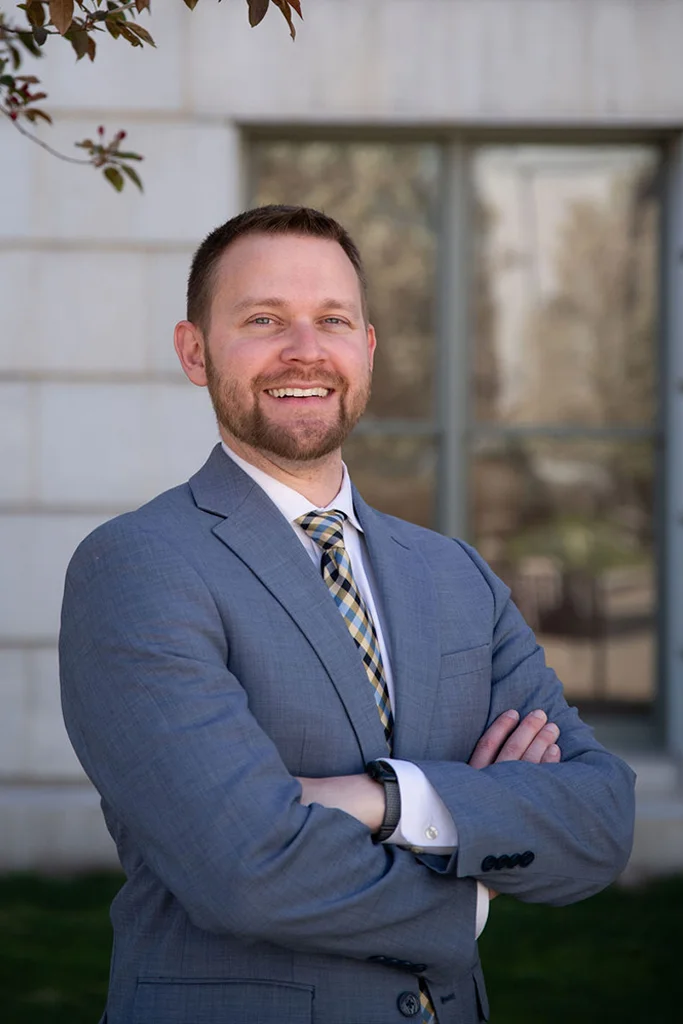
Reid DeChant has handled DMV Express Consent hearings and the criminal DUI proceedings that trigger license consequences across Denver and the surrounding metro area. The case results listed on DeChant Law’s website include multiple DMV Express Consent actions dismissed outright, including dismissals for improper advisement, failure to administer the chemical test within the required timeframe, and Miranda-related grounds. Those are not procedural flukes. They are the product of close attention to how Colorado’s administrative process is supposed to work and where law enforcement often falls short of the requirement.
What Actually Happens to Your License After a DUI in Colorado
Most people charged with DUI in Denver face two parallel threats to their driving privileges. The first comes from the criminal court. A conviction carries mandatory periods of revocation set by statute, with longer revocations for higher blood alcohol concentrations and for repeat offenses. The second threat is administrative and happens faster. When you are arrested for DUI in Colorado and either take or refuse a chemical test, law enforcement initiates an Express Consent action through the DMV. You have a narrow window, typically seven days, to request a hearing to contest that administrative revocation. If you miss that window, your license is revoked automatically, and you lose the ability to challenge the action regardless of what happens in your criminal case.
After a first DUI conviction, Colorado law provides for the possibility of a restricted license that allows driving with an ignition interlock device installed in the vehicle. The interlock requirement is not optional, it is the mechanism by which the state allows restricted driving privileges at all. A driver must also carry SR-22 insurance, which is a certificate of financial responsibility filed directly by the insurer with the DMV confirming that the required coverage is in place. Dropping that coverage or allowing it to lapse triggers another revocation, and that cycle can push someone further and further from full reinstatement.
For drivers who have accumulated multiple DUI offenses, the path to restricted driving is longer and more conditional. Colorado designates drivers with multiple DUI convictions as persistent drunk drivers, a classification that extends the interlock requirement significantly beyond what a first offense would require. Navigating reinstatement at that level requires careful coordination with the DMV and full compliance with any treatment programs the court has ordered as a condition of reinstatement.
Grounds That Can Bring a Denver Restricted License Case
- First-offense DUI or DWAI convictions: A conviction for driving under the influence or driving while ability impaired triggers both court-ordered penalties and a separate DMV revocation, and the process for obtaining interlock-restricted driving privileges must be initiated with the DMV after the revocation period begins to run.
- Chemical test refusal: Colorado’s Express Consent law requires licensed drivers to submit to a chemical test when requested by law enforcement. Refusing triggers a longer revocation than a failed test, and the reinstatement path differs, often requiring a longer interlock period before full privileges are restored.
- Excessive BAC designation: Drivers with a blood alcohol concentration at or above a defined threshold at the time of arrest face an extended revocation before restricted driving becomes available, even on a first offense.
- Persistent drunk driver classification: Colorado assigns this designation to drivers with multiple DUI offenses or certain elevated BAC readings, and it significantly extends the mandatory interlock requirement before full reinstatement is possible.
- Out-of-state DUI affecting Colorado privileges: A DUI conviction in another state can trigger action against a Colorado driver’s license through the interstate compact system, sometimes resulting in a revocation that requires the same restricted license process as an in-state conviction.
- Probationary license conditions following non-DUI suspensions: Certain point accumulation suspensions, medical suspensions, and other administrative actions can result in limited driving privileges that carry their own compliance requirements distinct from DUI-related restrictions.
- SR-22 lapses causing reinstatement to collapse: When a driver in the restricted period fails to maintain the required SR-22 insurance, the DMV revokes the restricted privileges, requiring the process to restart and sometimes adding time to the overall revocation period.
What to Do the Moment Your License Is at Risk
The seven-day window to request a DMV hearing after a DUI arrest is the most important deadline in this area of law. It begins running from the date of the arrest and does not pause while you consult with attorneys, grieve the arrest, or wait to see what happens with the criminal charge. Missing it closes the administrative hearing entirely. The hearing itself takes place before a DMV hearing officer, not a judge, and the standard of proof and procedural rules differ from those in criminal court. But the stakes are real: a favorable outcome at the DMV hearing means the administrative revocation does not take effect, which can be especially significant for drivers who need to maintain employment.
Once the criminal case is resolved, the path to a restricted license runs through the DMV’s reinstatement process, not the court. The court can order interlock as a condition of probation, but the DMV controls whether your actual driving privileges are restored and under what conditions. A Denver restricted license attorney can help you understand exactly what the DMV requires, gather the documents in the correct format, coordinate with an approved ignition interlock provider, and confirm that the SR-22 is properly filed before you attempt reinstatement. A common and costly mistake is assuming that because the court has lifted its orders, the DMV has acted automatically. It has not.
The DMV’s Driver Control office at 1881 Pierce Street in Lakewood handles Colorado license reinstatement matters for the Denver metro area. Hearings for Express Consent actions are conducted by hearing officers assigned through the DMV’s hearings unit. If you intend to challenge an administrative revocation, your request for a hearing should go through the DMV’s hearings unit in writing, and it should be submitted well within the seven-day window rather than at the last moment, because processing delays do not extend the deadline.
Keep copies of everything you submit and receive. Documentation disputes are not uncommon in the reinstatement process, and having a clear paper trail of what you filed and when can protect you if the DMV later claims it did not receive something. If your restricted license is denied or your reinstatement is delayed for a reason you believe is improper, that decision can be challenged administratively, and in some cases, reviewed by a district court.
Why DeChant Law Handles These Cases Differently
Reid DeChant built his practice handling a substantial volume of DUI and DMV cases as a former public defender in Denver, Broomfield, and Adams County before moving into private practice. That background means real familiarity with how local law enforcement conducts DUI stops, how Denver-area prosecutors approach impaired driving cases, and critically, where the procedural steps that trigger license consequences go wrong.
The Express Consent dismissals on DeChant Law’s results page reflect that attention to procedural detail. One action was dismissed because law enforcement advised the driver of Miranda rights before giving the Express Consent advisement, which creates a sequence problem under Colorado law. Another was dismissed because the chemical test was not administered within the two-hour window required by statute. These are not accidents. They are the result of reviewing the process closely enough to find where it broke down.
Training at the Trial Lawyers College, founded by Gerry Spence, shaped how Reid approaches advocacy, including in administrative hearings where most attorneys treat the process as a formality. Membership in the National Association of Criminal Defense Lawyers and the Colorado Criminal Defense Bar keeps Reid connected to developments in DUI and license law as they evolve. A Denver restricted license attorney at DeChant Law is not simply filing paperwork on your behalf. Reid is looking at whether the underlying revocation was legally valid before helping you navigate what comes next.
Questions About Denver Restricted Licenses, Answered
What is Colorado’s restricted license program, and who qualifies?
Colorado’s restricted license allows certain drivers whose privileges have been revoked or suspended to drive with conditions attached, most commonly the requirement to use an ignition interlock device. Eligibility depends on the nature of the revocation, the driver’s prior record, and compliance with reinstatement requirements including SR-22 insurance and, in some cases, alcohol treatment programs. First-time DUI offenders generally become eligible for restricted driving sooner than repeat offenders or those classified as persistent drunk drivers.
How long does the revocation period last before I can apply for a restricted license?
The minimum revocation period before a restricted license becomes available depends on the specific facts of your case. A first-offense DUI with a BAC under the excessive threshold carries a shorter minimum revocation period than a refusal, an elevated BAC, or a subsequent offense. Colorado law sets these periods by statute, and they begin running from the date the revocation takes effect, not the date of the arrest. An attorney can calculate exactly when you become eligible and what steps need to be completed before that date.
Can I drive to work while my license is suspended waiting for reinstatement?
No. Until the DMV formally approves restricted driving privileges and those privileges are documented, you do not have legal authority to drive even for work purposes. Driving during a revocation period is a criminal offense in Colorado that carries its own separate penalties and can complicate your reinstatement timeline significantly. The restricted license program is the appropriate vehicle for lawful limited driving, and it requires DMV approval before you start using it.
What is an ignition interlock device, and how does it work in practice?
An ignition interlock device is a breath testing unit wired into a vehicle’s ignition system. Before the vehicle will start, the driver must provide a clean breath sample. The device also requires rolling retests at intervals while driving. Colorado requires installation through a state-approved provider, and the device records all test results, including any failures or attempts to tamper with it. That data is reported to the DMV and, if you are on probation, potentially to your probation officer. Failed tests or tampering can result in revocation of restricted driving privileges.
What happens if I miss the seven-day deadline to request a DMV hearing?
Missing the hearing request deadline means the administrative revocation proceeds automatically. There is no grace period, and Colorado courts have generally upheld the DMV’s position that the deadline is firm. Once the window closes, your ability to challenge that specific revocation administratively ends. If there are extraordinary circumstances, there may be limited avenues to seek relief, but these are narrow and not guaranteed. This is why the seven-day window is the single most time-sensitive issue in a DUI arrest, and why contacting an attorney immediately after arrest matters.
Does getting my criminal DUI charges dismissed mean my license is automatically restored?
No. The criminal case and the administrative DMV action are separate proceedings under Colorado law. A dismissal of the DUI charge in criminal court does not automatically reverse the administrative revocation. The DMV hearing officer evaluates whether the stop and arrest met the applicable standards for the Express Consent action, which is a lower threshold than criminal guilt. A dismissal in court may be relevant context, but it does not by itself resolve the DMV side of the case.
How does the SR-22 insurance requirement work, and what triggers a lapse?
SR-22 is not a type of insurance policy; it is a certificate that your insurer files directly with the Colorado DMV confirming you carry at least the required minimum liability coverage. If your policy lapses, is cancelled, or if you switch insurers without having the new insurer file a replacement SR-22 immediately, the DMV receives notice of the gap and revokes your driving privileges again. That revocation restarts portions of the reinstatement timeline. Maintaining continuous SR-22 coverage for the full required period is not optional, and gaps, even brief ones, have real consequences.
Can I get a restricted license if my original revocation was for refusing the chemical test?
Yes, but the path is longer. Colorado law imposes a longer revocation period for test refusal than for a failed test, and the interlock requirement period for refusal cases extends further. The state’s reasoning is that refusal deprives law enforcement of evidence and therefore warrants a more substantial consequence. An attorney who handles these cases regularly can walk you through exactly what the timeline looks like for a refusal-based revocation and what you need to do at each stage.
What happens to my restricted license if I move out of Colorado before the interlock period ends?
Colorado’s interlock and reinstatement requirements continue to apply to your Colorado driving record regardless of where you physically reside. If you move to another state and that state requires a valid license for issuance of a new one, the receiving state will typically check the status of your Colorado license through the interstate compact. Unresolved Colorado revocations or active interlock requirements can prevent you from obtaining a new license in another state until you satisfy Colorado’s conditions. This is an area where assumptions are dangerous, and confirming the status of your Colorado record before applying elsewhere is essential.
Can I challenge the DMV hearing result if I lose?
Yes. If the DMV hearing officer upholds the revocation after a hearing, that decision can be appealed to a district court through a process called a petition for judicial review. The standard of review at the district court level is deferential to the hearing officer’s findings of fact, but legal errors in how the hearing was conducted or how Colorado’s Express Consent statute was applied are reviewable. Not every loss at the DMV level is the end of the road, and an attorney familiar with this review process can evaluate whether an appeal has a realistic basis.
DeChant Law’s Restricted License Representation Across the Denver Metro Area
DeChant Law represents clients facing license revocations and restricted license matters throughout the Denver metropolitan area and surrounding jurisdictions. Clients come from neighborhoods throughout the city of Denver including Capitol Hill, Five Points, LoDo, RiNo, Congress Park, Washington Park, Baker, Sunnyside, Stapleton, Green Valley Ranch, and Montbello. The firm also works with drivers from communities immediately surrounding Denver including Aurora, Lakewood, Wheat Ridge, Westminster, Thornton, Northglenn, Commerce City, Englewood, Littleton, Highlands Ranch, and Lone Tree. Clients from Jefferson County communities such as Golden, Arvada, and Edgewater reach out regularly given the volume of DUI enforcement along US-285, Highway 6, and Wadsworth Boulevard. Adams County residents from Brighton, Broomfield, and Federal Heights dealing with DMV actions also turn to this office, as do drivers from Douglas County communities including Castle Rock and Parker who face revocations tied to DUI arrests on I-25. The firm has handled Express Consent and reinstatement matters arising from DUI stops in Arapahoe County as well. Wherever in the metro area your DUI arrest occurred or wherever you are trying to reinstate your license, DeChant Law can evaluate your situation and work through the DMV process with you.
Talk to a Denver Restricted License Attorney Before Your Window Closes
The deadlines attached to license revocations in Colorado are not forgiving, and the process of getting restricted driving privileges requires coordination across multiple agencies under specific timelines. A Denver restricted license attorney who knows both the criminal court process and the administrative DMV side of these cases gives you the clearest path through. Reid DeChant has built a record of successful DMV hearing results, including outright dismissals of Express Consent actions, and he brings that same close attention to every reinstatement and restricted license matter he handles. Contact DeChant Law directly to discuss your situation and find out exactly where you stand.