Colorado Springs DUI Second Offense Lawyer
A second DUI in Colorado is a different animal than the first one. The leeway that judges and prosecutors sometimes extend to first-time offenders largely disappears. Mandatory minimums kick in, jail time becomes a near-certainty rather than a possibility, and the DMV process runs on a track that can strip your license for years. If you were arrested for a second DUI in Colorado Springs or anywhere in El Paso County, the choices you make right now, before your arraignment, before your first court date, determine the range of outcomes available to you. Colorado Springs DUI second offense lawyer Reid DeChant understands exactly what prosecutors look for when they build these cases and where those cases can be challenged.
Colorado’s DUI laws treat a second offense as a pattern, not an isolated mistake. That framing affects everything: how the DA approaches plea negotiations, what kind of sentencing a judge considers appropriate, and how aggressively law enforcement documents the stop and the chemical test. The prosecution’s file on a second offense is often thicker, more carefully assembled, and presented with fewer concessions in mind. That means your defense needs to be equally thorough from the very beginning.
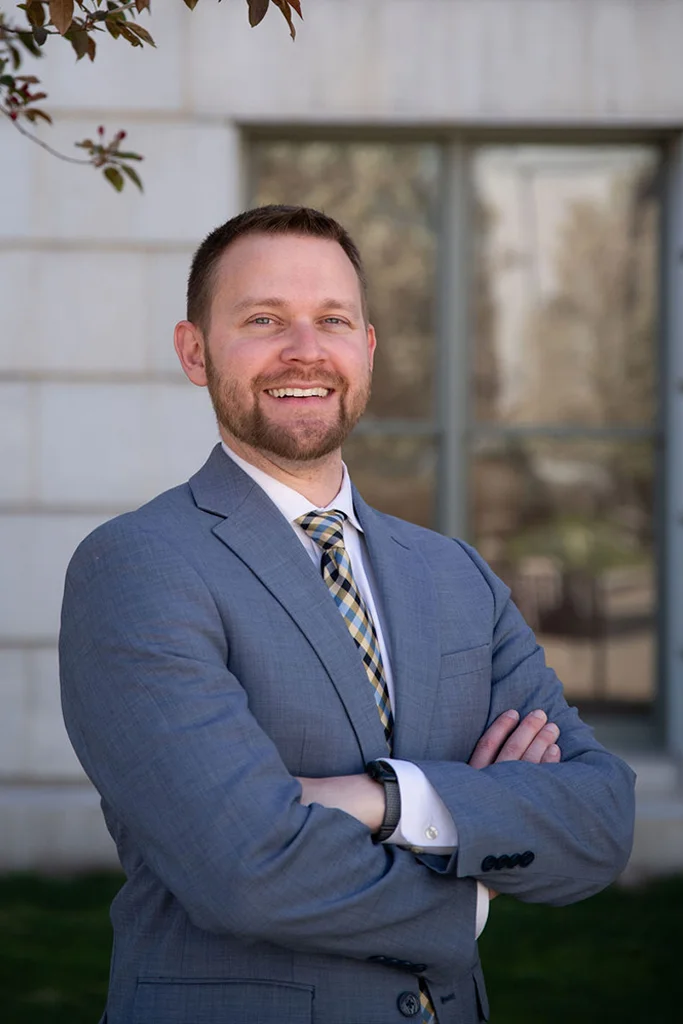
Reid DeChant built his practice around exactly this kind of high-stakes criminal defense work. His background as a public defender gave him the volume of courtroom experience that most private attorneys don’t accumulate until late in their careers, and his training at the Trial Lawyers College, founded by legendary attorney Gerry Spence, gave him the ability to connect with jurors in ways that legal argument alone never could. For someone staring down a second DUI charge in Colorado Springs, that combination matters.
What a Second DUI Conviction Actually Costs You in Colorado
The gap between a first and second DUI conviction in Colorado is significant enough that people who navigated their first offense without a lawyer sometimes assume they can do the same again. That assumption has cost people their licenses, their jobs, and their freedom. Colorado law imposes mandatory minimums on second-offense DUI convictions that judges cannot simply waive, regardless of how sympathetic the circumstances appear.
A second DUI conviction typically carries a mandatory minimum of ten days in jail, with up to one year possible, and courts frequently impose sentences at or above that floor. Fines and surcharges stack up quickly into the thousands of dollars even before you factor in the cost of required alcohol education classes, community service hours, and probation fees. The court will require completion of a Level II alcohol education and treatment program, which runs considerably longer and more intensively than what first-time offenders face. You will also be required to install an ignition interlock device on any vehicle you drive for a period that extends well beyond the end of your probation in many cases.
The license consequences are handled separately through the Colorado DMV’s express consent process, and that timeline runs independently of your criminal case. A second-offense express consent revocation can mean a one-year or longer license suspension, with reinstatement conditional on completing the interlock program and paying reinstatement fees. If you miss the window to request a DMV hearing, that opportunity is gone regardless of what happens in criminal court. Reid has a documented record of successfully challenging DMV express consent actions, including dismissals for improper advisements and procedural errors by law enforcement.
Why Reid DeChant Is the Right Choice for a Second DUI Defense in Colorado Springs
Second DUI defense requires a lawyer who knows both the criminal court process and the DMV hearing process because they overlap in ways that create real strategic decisions early in the case. Reid DeChant has handled both tracks across Denver, Broomfield, Adams County, and the surrounding Colorado jurisdictions, and his case results reflect that dual focus. Multiple DMV express consent actions have been dismissed through his representation, including dismissals based on improper advisement, failure to administer chemical tests within the required window, and Miranda-related procedural issues.
His record in criminal court includes DUI not guilty verdicts at trial and case dismissals at multiple Colorado courts. Reid is a member of the National Association of Criminal Defense Lawyers and the Colorado Criminal Defense Bar, organizations that keep him current on evolving DUI science, suppression law, and defense strategies being developed by the best defense attorneys in the country. That network matters when you are trying to identify a suppression angle or challenge the reliability of a breath or blood test result.
What distinguishes Reid’s practice beyond credentials and results is the way he works with clients. His Trial Lawyers College training is built around the idea that genuine human connection, not legal posturing, is what moves juries. Every client is a partner in their own defense, fully informed about what the evidence shows, what the risks are, and what the options look like. For someone facing a second DUI charge, that transparency is not just reassuring, it is practically essential for making good decisions.
Where Second DUI Cases in Colorado Springs Come From
- Traffic stops on I-25 and Powers Boulevard: These high-volume corridors through Colorado Springs see regular DUI enforcement, particularly late at night and on weekends, and law enforcement presence increases significantly around major events at the Broadmoor, Toyota Stadium, and other venues.
- Checkpoints and saturation patrols near downtown Colorado Springs: The area around Tejon Street, Colorado Avenue, and the Old Colorado City corridor attracts targeted patrols during bar closing hours and local events.
- Prior DUI within ten years: Colorado counts a prior DUI, DWAI, or even certain out-of-state alcohol-related driving convictions as a prior offense when calculating the mandatory minimum penalties that apply to the new charge.
- DWAI charged as a second offense: A charge of Driving While Ability Impaired can still be counted as a second offense if the prior record includes a DUI or DWAI, even if the current charge appears less serious on paper.
- Drug-related DUI charges: Colorado law covers impairment from any substance, not just alcohol. DUI-D charges involving marijuana, prescription medications, or other drugs are prosecuted just as aggressively and carry the same second-offense consequences.
- Blood test cases with contested results: Blood tests used in DUI prosecutions are not infallible. Chain of custody problems, fermentation issues in stored samples, and lab errors are all legitimate grounds for challenging the reliability of the result.
- Breath test cases with calibration questions: Breath testing equipment must be properly maintained, calibrated, and operated according to specific protocols. Deviations from those protocols can form the basis of a suppression motion.
What to Do Right Now if You Were Just Arrested for a Second DUI in Colorado Springs
The express consent deadline is the first thing to understand. Colorado law gives you a short window to request a hearing before the DMV to contest the revocation of your license. That window is measured in days from your arrest, not weeks or months. If that deadline passes without a request, the revocation goes forward automatically and your ability to challenge it is gone. Contacting a DUI defense attorney in Colorado Springs as quickly as possible after your arrest preserves that option. Reid’s office has handled DMV hearing requests and representation across Colorado, and that process is well within the scope of representation at DeChant Law.
Your criminal case will be handled at the El Paso County Combined Courts, located at 270 South Tejon Street in downtown Colorado Springs. Arraignments for misdemeanor DUI cases in El Paso County typically occur within a few weeks of arrest, and the decisions made at arraignment, including how you plead and whether you request a continuance to allow your attorney to review the evidence, affect the trajectory of everything that follows. Showing up to arraignment without a lawyer or with a lawyer who has not had time to review the police report, video footage, and chemical test records is a significant disadvantage.
Do not discuss the details of your stop or arrest with anyone other than your attorney. Statements made to friends, family, or especially on social media can and do surface in criminal proceedings. The officer’s report and any dash or body camera footage from the stop are public records that the prosecution will use, and your attorney needs to review all of that before any meaningful conversations with the DA happen. Request and preserve any records you have access to: the paperwork you received at the time of arrest, any information about the chemical test you were administered, and any receipts or documentation from the night in question.
One mistake people make in second DUI cases is assuming the outcome is already determined. The mandatory minimums create a floor, but there is a significant range between that floor and the maximum penalties, and there are cases where the charge itself gets reduced or dismissed based on what the evidence actually shows. Reid’s approach involves going through the government’s case carefully and identifying every point of weakness before deciding on a strategy. That process takes time, which is why moving quickly to retain a second offense DUI attorney in Colorado Springs matters.
Questions About Second DUI Cases in Colorado Springs
What is the mandatory jail time for a second DUI conviction in Colorado?
A second DUI conviction in Colorado carries a mandatory minimum of ten days in jail. The court cannot waive that minimum, though in some cases judges allow that time to be served through house arrest or work release programs depending on the circumstances and the judge’s discretion. Sentences can extend up to one year in jail for a second misdemeanor DUI.
Does a DWAI count as a prior offense if I am now charged with DUI?
Yes. Colorado counts prior DWAI convictions when calculating whether a new DUI charge is a second offense. Even if your prior conviction was for the lesser DWAI charge, the new charge will be treated as a second offense under Colorado law, which triggers the enhanced mandatory minimums and sentencing ranges.
Can an out-of-state DUI count as my first offense for purposes of a Colorado second offense charge?
Yes, in many cases. Colorado looks at prior alcohol and drug-related driving convictions from other states when determining whether a current charge constitutes a second offense. The out-of-state offense does not need to be labeled identically to a Colorado DUI; what matters is whether the conduct underlying the prior conviction would have constituted a DUI or DWAI under Colorado law.
How long will my license be revoked for a second DUI in Colorado?
The license revocation period for a second offense is longer than for a first. Revocations through the DMV express consent process and revocations tied to criminal conviction can run consecutively in some situations, meaning the total period of suspension can extend well beyond a year. Reinstatement requires completion of the ignition interlock program and payment of reinstatement fees, and the interlock requirement typically extends for an additional period after the revocation ends.
What happens at the DMV hearing for a second DUI in Colorado?
The DMV hearing is a civil proceeding separate from your criminal case. The hearing officer determines whether the arresting officer had reasonable grounds to believe you were driving under the influence, whether the express consent advisement was properly given, and whether you refused or failed a chemical test. These hearings require legal preparation. A successful challenge at the DMV hearing can preserve your driving privileges regardless of what happens in criminal court.
Is it possible to get a second DUI charge reduced or dismissed in Colorado Springs?
Yes. The outcome depends entirely on the evidence, and the evidence is not always as airtight as the prosecution would like it to be. Suppression of the stop itself, challenges to the chemical test results, procedural errors in the express consent advisement, and problems with the chain of custody for blood samples are all avenues that have resulted in reduced charges or dismissals in Colorado DUI cases. Nothing about the charge guarantees the outcome.
Will a second DUI conviction affect my professional license or security clearance?
Potentially, yes. Colorado professional licensing boards for fields like healthcare, law, teaching, financial services, and others may inquire about criminal convictions during renewal or initial licensure. A second DUI conviction, which reflects a pattern of alcohol-related conduct, can carry more weight in those proceedings than a first conviction. Federal security clearances involve a similar analysis, with particular scrutiny given to repeated conduct. These collateral consequences are worth discussing with your attorney when evaluating your options.
What if the DUI stop happened in a parking lot rather than on a public road?
Colorado’s DUI statutes apply to driving on any road, highway, or any other area accessible to the public. Parking lots at bars, restaurants, and retail areas have been the subject of DUI prosecutions in Colorado. The exact circumstances matter and can affect how the law applies, which is a reason to have those facts reviewed by a second offense DUI attorney who knows how Colorado courts have handled these situations.
How long does a second DUI case typically take to resolve in El Paso County?
The timeline varies considerably depending on whether the case goes to trial, how quickly discovery is produced, and how complex the evidence is. Blood test cases tend to take longer because the lab results take time to obtain and may require independent analysis. Cases that go to trial can take six months to over a year from arrest to verdict. Plea negotiations can accelerate that timeline, but only when the evidence and your strategy support a negotiated resolution.
Can I drive at all during the period when my license is revoked for a second DUI?
Colorado allows early reinstatement through the ignition interlock program in many second-offense cases. The interlock device requires a breath sample before the vehicle will start and records any attempts to start the vehicle after a positive reading. Enrollment in that program is typically a condition of reinstatement, and maintaining compliance with its requirements is monitored throughout the period. Violations can reset the reinstatement process entirely.
Representing Second DUI Clients Across Colorado Springs and El Paso County
DeChant Law represents clients facing second DUI charges throughout Colorado Springs and the surrounding El Paso County communities. That includes residents of the Briargate, Rockrimmon, Falcon, Black Forest, Monument, and Fountain areas, as well as those in Manitou Springs, Widefield, Security-Widefield, and the Cimarron Hills neighborhoods east of Colorado Springs. Cases arising in Woodland Park and Teller County, Pueblo, and communities along the US-24 and US-50 corridors are also within the firm’s reach.
Clients from the academy-adjacent communities near Peterson Space Force Base, Fort Carson, and Schriever Space Force Base bring an added layer of concern around military career consequences, which are a real consideration in any DUI case. Second-offense DUI charges in Colorado Springs and throughout the Front Range corridor are handled through El Paso County Combined Courts, and Reid’s familiarity with Colorado’s criminal courts and DMV hearing process across multiple jurisdictions allows him to provide focused representation for clients wherever their cases originate.
Talk to a Colorado Springs DUI Second Offense Attorney Before Your Next Court Date
The decisions that shape a second DUI case happen early, often before most people realize how much is at stake. A Colorado Springs DUI second offense attorney who understands both the criminal court process and the DMV hearing timeline can identify the options that actually exist in your specific situation. Reid DeChant has built a practice around that kind of careful, client-centered defense work, with a trial record and DMV result history that reflects what is possible when these cases are handled thoroughly from the start.
Call DeChant Law to schedule a consultation and start understanding what your case actually looks like. Do not wait until after your arraignment to find out what your defense options are.