Boulder Sex Crimes Lawyer
A sex crimes accusation changes everything before a single charge is formally filed. Jobs, housing, professional licenses, custody arrangements, and reputations collapse under the weight of an allegation alone, and the formal criminal process has barely begun. If you or someone you care about is facing a sex crimes investigation or charge in Boulder County, what happens in the earliest hours and days of that process will shape everything that follows. The time to build a defense is not after the prosecution has assembled its case. A Boulder sex crimes lawyer at DeChant Law can step in from the moment law enforcement makes contact, before a single statement is given, before a single piece of evidence is locked into the prosecution’s narrative.
Sex crimes cases in Colorado are prosecuted with particular intensity. Boulder County, served by the 20th Judicial District, handles these cases through prosecutors who are experienced, well-resourced, and who treat convictions as a public priority. The charges themselves carry consequences that extend far beyond any prison sentence: sex offender registration requirements that can follow a person for decades, mandatory treatment programs, residency and employment restrictions, and a permanent public record that surfaces in background checks long after a sentence is served. These are not just criminal cases. They are cases that redefine the rest of a person’s life, and they require a defense attorney who understands both the criminal process and the full scope of what is at stake.
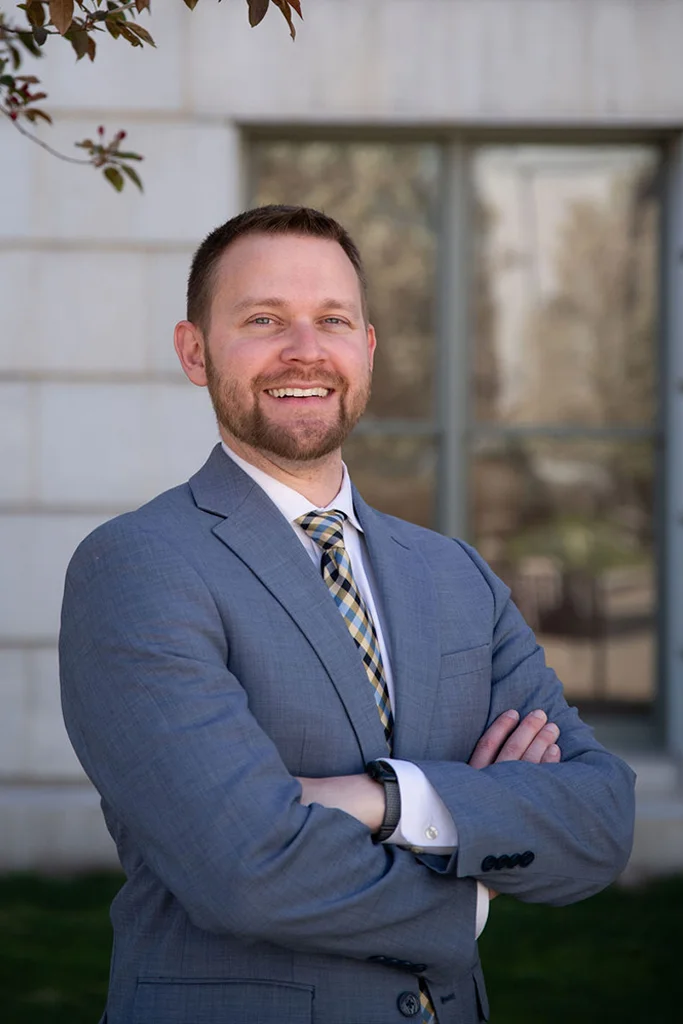
Reid DeChant built his practice on exactly this kind of high-stakes representation. His background as a former public defender gave him deep courtroom experience across a wide range of serious charges, and his training at the Trial Lawyers College under methods developed by Gerry Spence shaped an approach to defense rooted in genuine client understanding and courtroom storytelling that reaches judges and juries. At DeChant Law, clients facing sex crimes allegations are not processed through a system. They are defended by someone who takes the time to understand their specific circumstances and builds a case from that foundation.
What Colorado Sex Crimes Charges Actually Look Like in Boulder County
Sex crimes in Colorado span an enormous range of conduct, and the charges filed against any individual depend on specific allegations, the ages of the parties involved, any claimed use of force or coercion, and the relationship between the parties. Boulder County prosecutors have discretion in how they charge these cases, and the difference between a felony with a mandatory registration requirement and a reduced charge can come down to how the evidence is presented and challenged at early stages of the case.
- Sexual Assault (Adult): Colorado’s sexual assault statute covers a broad range of alleged conduct, from situations involving disputed consent to allegations of physical force or coercion, and the degree of the offense escalates significantly when a weapon is alleged, when serious bodily injury is claimed, or when the victim was physically helpless.
- Sexual Assault on a Child: This category covers allegations involving victims under the age of 15 and carries severe mandatory sentencing consequences, including indeterminate sentencing for certain pattern offenses, meaning the sentence may not have a fixed end date determined at trial.
- Internet-Based Offenses and Enticement: Law enforcement increasingly uses undercover operations targeting online platforms, and enticement charges can arise from text or app conversations without any physical contact having occurred. Boulder’s university population makes this a frequently charged category in the 20th Judicial District.
- Indecent Exposure: While lower in severity than other sex crimes, a conviction still carries potential registration consequences depending on the facts and how the case is charged, making early legal intervention important even in cases that appear minor.
- Unlawful Sexual Contact: Covering alleged unwanted touching that does not meet the threshold of sexual assault, this charge frequently arises in workplace, academic, or social settings and is common in cases originating from complaints to institutions like the University of Colorado Boulder before law enforcement involvement.
- Failure to Register as a Sex Offender: Individuals required to maintain registration face criminal exposure for procedural failures, even when the original offense occurred years earlier. Reid DeChant has secured a Not Guilty verdict at trial on exactly this charge.
- Possession or Distribution of Sexual Exploitation Material: These charges often emerge from digital forensic investigations and involve complex evidentiary questions around device access, shared networks, and chain of custody for electronic evidence.
Why DeChant Law Is Built for This Category of Defense
Sex crimes defense requires more than general criminal defense competence. It requires a lawyer who understands forensic evidence, who is prepared to cross-examine medical examiners, digital forensics analysts, and trained child interview specialists, and who can challenge the prosecution’s narrative without alienating a jury that arrived in the courtroom with preexisting assumptions about the case. That is a specific combination of skills that not every defense attorney in Boulder has.
Reid DeChant’s background gives him exactly that foundation. His years as a public defender meant he handled serious violent and sexual offense cases inside courtrooms in Denver, Adams County, Broomfield, and surrounding jurisdictions, developing the cross-examination skills and trial instincts that come only from sustained, high-volume courtroom experience. His training at the Trial Lawyers College, which teaches lawyers to move past detached legal argument and into genuine human storytelling, shapes how he presents his clients to juries. A jury deciding a sex crimes case needs to understand a defendant as a full human being, not a file number, and Reid’s approach is built around making that happen.
DeChant Law’s case results reflect the breadth of this criminal defense experience. The firm has secured Not Guilty verdicts at trial on strangulation and domestic violence charges where the prosecution brought the case to trial, dismissals at the DA’s level on felony menacing and assault charges, and a Not Guilty verdict on failure to register as a sex offender, a charge that many defendants assume is impossible to contest. These outcomes were not accidental. They came from careful case evaluation, thorough preparation, and the willingness to take cases all the way through trial when that is what the defense demands. For clients facing Boulder sex crimes allegations, that track record matters.
Reid also maintains active membership in the National Association of Criminal Defense Lawyers and the Colorado Criminal Defense Bar, ensuring his defense strategy is informed by the current state of criminal defense practice nationally and in Colorado specifically. Sex crimes law in Colorado has evolved substantially, and staying current on changes to registration requirements, sentencing frameworks, and evidentiary standards is part of providing competent representation in this practice area.
How Boulder Sex Crimes Cases Move Through the 20th Judicial District
Understanding the actual path a sex crimes case takes in Boulder County helps defendants and their families make better decisions throughout the process. The 20th Judicial District Courthouse, located on Canyon Boulevard in Boulder, handles all felony and misdemeanor sex crimes cases originating in Boulder County. Cases typically begin with a law enforcement investigation that may include recorded interviews, digital forensic searches, medical examinations, and witness statements gathered over weeks or months before any arrest occurs.
One of the most important things to know is that an investigation is not the same as a charge. If law enforcement contacts you and asks to speak with you, or if you become aware that someone has made an allegation against you, reaching out to a Boulder sex crimes attorney before any contact with detectives is not an admission of guilt. It is the single most protective action you can take. Statements made to police during sex crimes investigations are almost always used as the cornerstone of the prosecution’s case, and nothing you say in that context will make investigators close the case. The only person an early statement helps is the prosecutor.
Once charges are filed, sex crimes cases in Boulder typically move through advisement, where formal charges are read and bond is set; preliminary hearings or grand jury proceedings, depending on how the charge is filed; motions practice, which is often where the most significant defense work happens; and either plea negotiations or trial. The motions phase is critically important in sex crimes cases because this is where defense counsel challenges the admissibility of forensic evidence, contests the propriety of any search, and may move to exclude statements obtained in violation of constitutional protections. A sex crimes defense attorney who is not aggressive and thorough in this phase leaves significant defensive ground unclaimed.
People charged with or under investigation for sex crimes in Boulder sometimes make the mistake of trying to address the accuser directly or through intermediaries. This is almost always counterproductive and can result in additional charges, including witness tampering or violation of any no-contact order already in place. Similarly, attempting to manage digital evidence, whether by deleting messages, clearing browser history, or reformatting devices, creates obstruction exposure that compounds the original problem significantly. The most protective course of action is to say nothing to law enforcement, contact nothing that could constitute evidence, and speak only with your attorney.
Questions Boulder Residents Have About Sex Crimes Charges
Does a sex crimes conviction automatically result in sex offender registration in Colorado?
Not every sex offense conviction in Colorado triggers registration, but many do, and the registration requirements vary depending on the specific charge and whether it is classified as a registerable offense under Colorado law. Some charges are mandatory registration offenses. Others may involve registration as a condition of a plea or probationary sentence. The duration and tier of registration also vary, with some offenders required to register for a fixed period and others subject to lifetime requirements. Understanding whether registration applies, and what tier, is a central part of evaluating any plea offer or potential trial outcome in a sex crimes case.
What is an indeterminate sentence and when does it apply in Colorado sex cases?
Colorado uses indeterminate sentencing for certain serious sex offense convictions, meaning the court imposes a sentence with a minimum and a maximum, and the maximum may be life. Release is then determined by a sex offender management board evaluation process rather than by a fixed release date. This structure applies to certain offenses involving children and to offenses designated as sexually violent predator cases. The possibility of an indeterminate sentence is one of the most significant consequences in this area of criminal law and is a major factor in any defense strategy discussion.
Can charges be filed based solely on the word of the accuser, without physical evidence?
Yes. Colorado prosecutors regularly file and pursue sex crimes charges based on testimonial evidence alone. Courts have consistently held that a complainant’s testimony, standing alone, can be sufficient to support a conviction if a jury finds it credible. This does not mean such cases are unwinnable for the defense. It means the defense work focuses heavily on credibility, consistency, motive, and the surrounding circumstances of the allegation rather than on forensic evidence disputes.
What happens to a sex offender registration requirement if the underlying conviction is later appealed or vacated?
If a conviction that triggered registration is vacated or reversed on appeal, the registration obligation tied to that conviction generally falls away as well. This makes post-conviction relief proceedings relevant not only to the underlying sentence but also to the ongoing registration burden. Appeals in sex crimes cases require a careful review of the trial record for preserved legal error and are a distinct undertaking from the original defense, but they represent a legitimate path forward in cases where trial counsel missed significant issues or where constitutional violations occurred.
How does a Title IX investigation at the University of Colorado Boulder relate to criminal proceedings?
CU Boulder conducts its own Title IX investigations under federal educational law, and these proceedings run on a completely separate track from Boulder County criminal cases. A student or employee can face both simultaneously. Important distinctions apply: the evidentiary standard in a Title IX proceeding is different from the criminal standard, statements made in a Title IX process can potentially surface in criminal proceedings, and outcomes in one process do not control the other. Anyone facing parallel Title IX and criminal investigations needs legal advice that addresses both tracks.
Are there defenses specific to internet enticement or online sex crimes charges?
Yes. These cases often involve significant questions about the reliability and authenticity of digital evidence, the identity of who was actually using a device or account, the admissibility of evidence obtained through law enforcement’s undercover conduct, and whether the government’s conduct crossed the line into entrapment. Digital forensic review of devices, account access logs, and metadata can reveal gaps or inconsistencies in the prosecution’s evidence that would not be apparent from reviewing only the face of the communications.
Can a sex crimes charge in Boulder affect my professional license?
Yes, in most licensed professions. Colorado licensing boards for healthcare providers, educators, attorneys, real estate professionals, financial advisors, and many other fields have independent authority to suspend or revoke licenses based on criminal charges or convictions, including arrests that do not result in conviction. The licensing board process is separate from the criminal court, and a defense attorney who understands this dimension can help a client think through how criminal defense decisions affect the licensing track and vice versa.
What does sex offender registration actually require in practice?
Colorado’s registration requirements include regular in-person verification at the registrant’s local sheriff’s office, notification requirements when moving, changing employment, or enrolling in school, and adherence to rules governing internet identifiers and social media in some cases. Failure to comply with any of these requirements is a separate criminal offense, as reflected in the firm’s experience defending this exact charge. The ongoing nature of registration makes understanding its full scope essential from the moment a plea or conviction is being evaluated.
How long does a sex crimes case in Boulder County typically take to resolve?
Cases vary considerably. A case that resolves through a negotiated plea at an early stage might conclude within a few months. A complex case involving extensive digital evidence, multiple witnesses, or forensic expert disputes that proceeds to trial can take well over a year from charge to verdict. The 20th Judicial District has its own scheduling rhythms, and the specific judge assigned to a case will influence the pace of pretrial proceedings. Managing client expectations about timing, while also taking the time the defense genuinely requires, is part of what good representation in this space looks like.
Is there any benefit to cooperating with law enforcement in a sex crimes investigation?
There are very few circumstances in which a person under investigation for a sex offense benefits from making voluntary statements to law enforcement before consulting with an attorney. Detectives investigating these cases are trained in interview techniques designed to elicit incriminating information, and they are under no obligation to present the conversation as an adversarial one. What may feel like a conversation intended to clear your name is, from the detective’s perspective, evidence gathering. Cooperating only after speaking with an attorney, if cooperation is warranted at all, is the appropriate sequence.
Boulder and Surrounding Areas Served by DeChant Law
DeChant Law represents clients facing sex crimes allegations throughout Boulder County and the broader Front Range region. From the neighborhoods immediately surrounding the University of Colorado Boulder campus, including University Hill and Newlands, through the residential corridors of east Boulder, Gunbarrel, and Valmont, the firm handles cases originating throughout the city. Cases arising in outlying Boulder County communities including Lafayette, Louisville, Superior, Longmont, Lyons, Nederland, and Erie are also within the firm’s representation area.
Beyond Boulder County, DeChant Law regularly appears in courts throughout the Denver metropolitan area and the surrounding judicial districts. This includes Jefferson County, Adams County, Arapahoe County, Douglas County, and Broomfield County, all jurisdictions where Reid DeChant built his trial experience as a public defender and where he continues to represent clients in private practice. Clients in communities like Thornton, Westminster, Arvada, Lakewood, Englewood, Castle Rock, Parker, Highlands Ranch, Littleton, Northglenn, and Commerce City can reach the firm for sex crimes defense representation. The firm also handles cases originating in Broomfield and the communities that span the boundary between Boulder and Denver Counties.
Talk to a Boulder Sex Crimes Attorney Before the Case Gets Away From You
The decisions made in the early phase of a sex crimes case have consequences that carry through every subsequent stage, from bond hearings and preliminary proceedings through trial and, if necessary, sentencing and appeal. A Boulder sex crimes attorney at DeChant Law can step into your case at any point, but the earlier that happens, the more options remain open. Reid DeChant will sit down with you, understand what you are actually facing, and give you an honest assessment of where things stand and what a defense looks like in your specific situation.
Do not navigate an investigation or a formal charge without counsel in your corner who has stood in Boulder County and Colorado courtrooms and fought these kinds of cases through to verdict. Call DeChant Law to schedule a consultation and start building a defense that treats you as a person with a story that deserves to be heard and understood.