Boulder Felony DUI Lawyer
A felony DUI in Boulder carries consequences that reach far beyond a fine and a suspended license. We are talking about prison time, a permanent felony record that follows you into every job application and housing search, and a label that reshapes how courts, employers, and communities see you. The difference between a felony and a misdemeanor DUI in Colorado is not just a matter of degree. It is a categorical shift in what your life looks like afterward. A Boulder felony DUI lawyer has to understand both the specific legal exposure you face and the local landscape of courts, prosecutors, and law enforcement that will shape how your case actually plays out.
Boulder County has its own prosecutorial culture. The District Attorney’s Office handles DUI cases with attention to prior history, blood alcohol content, and whether an accident or injury occurred. Boulder’s proximity to the University of Colorado campus, Pearl Street, and heavily patrolled corridors like Canyon Boulevard and 28th Street means that law enforcement is actively looking for impaired drivers, especially on weekend evenings and during CU events. Officers along Highway 36, the Boulder Turnpike, and US-36 through Broomfield and Superior conduct regular saturation patrols. When a stop escalates to a felony DUI allegation, the investigative record that gets built in the first hours matters enormously.
This is not a situation where waiting to hire an attorney makes strategic sense. Evidence in felony DUI cases moves quickly. Chemical test results get processed, witness accounts get locked in, and prosecutors begin building a narrative before most people have finished processing what just happened. What you do and who represents you in the earliest stages can shift the trajectory of the entire case.
What Elevates a DUI to a Felony in Colorado
Colorado law creates a path from misdemeanor DUI to felony charges in specific circumstances. Understanding exactly which circumstances apply to your case is the first step in evaluating your actual legal exposure and where the defense has room to work.
- Fourth or subsequent DUI offense: Colorado law classifies a DUI as a class 4 felony when a person has three or more prior DUI or DWAI convictions under state law, whether those priors occurred in Colorado or another state. Prior convictions from out-of-state jurisdictions can count, which surprises many people who moved to Colorado with a clean slate in their minds.
- DUI causing serious bodily injury: When impaired driving results in serious bodily injury to another person, charges can be elevated well beyond a standard DUI. The definition of serious bodily injury under Colorado law is broad and can include broken bones, loss of consciousness, and injuries requiring surgery or hospitalization.
- DUI causing death (vehicular homicide): When a fatality occurs, the charge is vehicular homicide while under the influence, a class 3 or class 4 felony depending on the circumstances. These are among the most aggressively prosecuted cases in Boulder County and require defense counsel with real trial experience from day one.
- DUI with a child passenger: Having a minor in the vehicle during a DUI stop triggers additional charges and can affect sentencing ranges significantly, even in cases that might otherwise qualify for reduced outcomes.
- Prior felony DUI conviction: A prior felony DUI conviction in Colorado, regardless of how long ago it occurred, makes any subsequent DUI a felony as well. This escalation applies to convictions under the specific felony DUI statute.
- Chemical test refusal combined with prior history: Refusing a chemical test does not prevent felony prosecution when prior convictions are in place, and refusal carries its own consequences through the DMV Express Consent process separate from the criminal case.
How Felony DUI Cases Move Through Boulder County’s Courts
The Boulder County Justice Center, located on Canyon Boulevard, is where most felony DUI cases will be heard. The District Court handles all felony matters, and Boulder judges are known for running structured dockets with firm expectations about case preparation. Understanding how cases actually move through this building, not just how the law reads on paper, matters when you are deciding how to approach your defense.
After an arrest, a felony DUI defendant will typically have a first appearance in county court, where bond is set and the formal charge is read. The case then moves through a preliminary hearing or direct filing process depending on how the prosecution proceeds. At the preliminary hearing stage, the defense has an opportunity to challenge whether probable cause actually supports the charges, and this is not a procedural formality. Weak stops, improper advisements, and flawed chemical testing procedures can be exposed at this stage, and a skilled Boulder DUI defense attorney knows what to look for.
From there, the case moves toward a disposition, either through plea negotiation or trial. Boulder County prosecutors do negotiate in felony DUI matters, but their offers depend heavily on the specific facts of the case, the defendant’s prior record, and the quality of the defense they are facing. Prosecutors who know defense counsel will fight, have trial experience, and have already identified weaknesses in the evidence tend to approach negotiations differently than they do with defendants who appear unprepared for trial.
One critical mistake people make in felony DUI cases is treating the DMV proceedings as secondary to the criminal case. The Express Consent process, which determines whether your license gets revoked, runs on its own separate track with its own deadlines. In Colorado, you have a narrow window after a DUI arrest to request a hearing with the DMV. Missing that window results in automatic revocation. DeChant Law has a track record of successfully challenging DMV actions, including cases dismissed for improper Express Consent advisements and cases dismissed for failure to administer chemical testing within the required timeframe.
What Separates DeChant Law in Felony DUI Defense
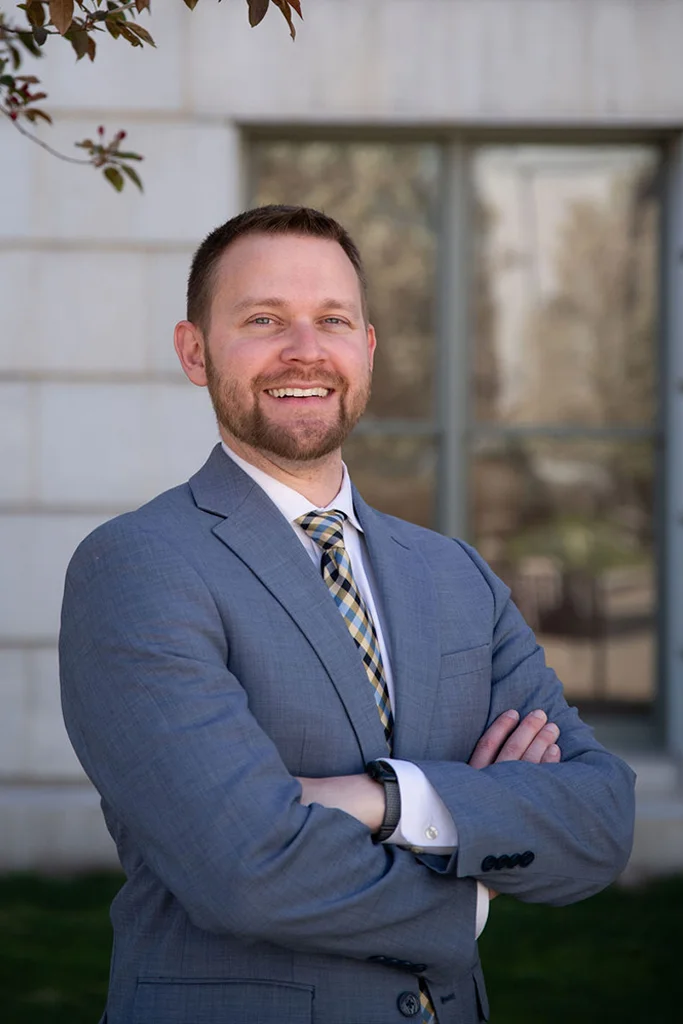
Reid DeChant built his practice on the kind of trial experience that most private defense attorneys never accumulate. As a former public defender, Reid handled high-volume caseloads across Denver, Adams County, and Broomfield courtrooms, defending clients against charges ranging from DUI and DWAI to violent felonies and homicide. That background means Reid has spent more time inside actual courtrooms, cross-examining officers, challenging evidence, and arguing to juries than many attorneys will in an entire career. When your case is a felony, you need a lawyer who genuinely knows what trial looks like from the inside.
Reid is also a graduate of the Trial Lawyers College, a highly selective program founded by Gerry Spence that trains defense lawyers in courtroom storytelling, psychodrama techniques, and human connection with juries. This training is not a credential to put on a wall. It shapes how Reid actually presents your case, moving beyond legal arguments to help juries understand who you are and why the story the prosecution is telling does not hold up. Felony DUI trials, including vehicular homicide cases, require exactly this kind of advocacy because the facts are rarely simple and the prosecution’s narrative is rarely the complete picture.
The firm’s case results reflect this approach. Reid has secured Not Guilty verdicts at trial in DUI cases across multiple Colorado counties, including Jefferson, Douglas, and Arapahoe, and has successfully challenged DMV Express Consent actions on procedural and constitutional grounds across a wide range of fact patterns. He is a member of the National Association of Criminal Defense Lawyers and the Colorado Criminal Defense Bar, keeping him current on emerging defense strategies and connected with the best defense minds in the country. For anyone searching for a felony DUI attorney serving Boulder, those connections translate into better defense preparation for your case.
Questions Boulder Residents Ask About Felony DUI Charges
What is the minimum sentence for a felony DUI in Colorado?
For a class 4 felony DUI based on prior convictions, Colorado law includes a mandatory minimum period of incarceration, but sentencing ranges depend on the specific felony class, aggravating factors, and whether the case involved injury or death. Colorado also allows for alternative sentences including work release, home detention, and intensive supervision probation in some felony DUI matters, particularly for cases that do not involve injuries. The actual outcome depends heavily on the facts of your case and how effectively your attorney advocates at sentencing.
Can a felony DUI conviction be expunged or sealed in Colorado?
Colorado’s record sealing laws are more limited for DUI convictions than for many other offense categories. Felony DUI convictions are generally not eligible for sealing under current Colorado law, which makes fighting the charge from the start, rather than accepting a plea, critically important. A felony DUI on your record affects employment, housing, professional licensing, firearm rights, and immigration status in ways that a misdemeanor DUI typically does not.
What if I refused the chemical test during my Boulder DUI stop?
Refusing a blood or breath test in Colorado triggers the DMV Express Consent revocation process independently of any criminal charge. For someone with prior DUI history, refusal does not prevent felony prosecution and can actually be used as evidence of consciousness of guilt in the criminal case. However, the manner in which the Express Consent advisement was given to you, and whether the officer followed proper protocols, are legitimate grounds for challenging the DMV revocation. This is exactly the kind of technical defense that has resulted in dismissed DMV actions for DeChant Law clients.
Will out-of-state DUI convictions count toward a Colorado felony DUI charge?
Yes. Colorado law allows prior DUI and DWAI convictions from other states to count toward the threshold that elevates a DUI to a felony. The question of whether a prior out-of-state conviction properly qualifies under Colorado’s statutory framework is a legitimate defense issue. The elements of the out-of-state offense must be compared to Colorado’s DUI statute, and not every out-of-state impaired driving conviction will automatically qualify. This analysis requires careful legal work and should be addressed early in your case.
How does a felony DUI affect my Colorado driver’s license long term?
A felony DUI conviction triggers a lengthier revocation period than a standard DUI and may require an ignition interlock device on any vehicle you drive for an extended period. Reinstatement after a felony DUI revocation involves specific steps through the Colorado Division of Motor Vehicles, including SR-22 insurance filings. Failing to manage the DMV side of your case properly, including missing hearing request deadlines, can result in revocation before the criminal case is even resolved.
What happens if my felony DUI involved a crash but nobody was seriously injured?
The severity of injuries is a key factor in how charges are filed and what penalties are sought. If an accident occurred but injuries were minor or disputed, that factual question becomes a central issue in your case. “Serious bodily injury” has a legal definition under Colorado law, and prosecutors bear the burden of proving that a specific injury meets that standard. Defense counsel can challenge this through medical records, expert testimony, and cross-examination of treating providers, and the distinction between a class 4 felony and a higher-level felony charge can mean years of difference in sentencing exposure.
Can I be charged with both a felony DUI and vehicular assault at the same time?
Yes. Colorado allows multiple charges arising from the same incident, and prosecutors will often file every charge supported by the available evidence. Vehicular assault while under the influence is a separate offense from the DUI charge itself, and the two can be prosecuted together. Navigating multiple concurrent charges requires a defense strategy that addresses each count individually while also managing the overall narrative of the case, something that requires genuine courtroom experience rather than a one-size-fits-all plea approach.
How does a Boulder felony DUI affect a professional license?
Colorado’s licensing boards for healthcare professionals, attorneys, teachers, financial advisors, and other licensed occupations have their own standards for evaluating criminal convictions. A felony DUI conviction almost always triggers a mandatory reporting obligation and a review process with the relevant board. The outcome varies by profession and by the specific facts, but a felony conviction presents far greater risk to professional licensure than a misdemeanor. This is one reason why contesting the charge rather than accepting an early plea deserves serious consideration.
What should I do if I was arrested for DUI in Boulder but have prior convictions in another county?
Notify your attorney immediately about every prior DUI, DWAI, or impaired driving conviction, regardless of where it occurred. Your attorney needs to pull the actual records of those prior convictions to analyze whether they were properly obtained, whether the prior charges were for offenses that legally qualify as predicates under Colorado’s felony DUI statute, and whether any procedural defects in those prior cases might affect how they can be used against you now. This is not a casual background check. It requires legal analysis of actual court records.
Is it ever worth taking a felony DUI case to trial in Colorado?
Sometimes, yes. Whether trial makes sense depends on the strength of the evidence, the viability of specific defenses, the prosecution’s offer, and your individual circumstances. Reid DeChant has taken DUI cases to trial in multiple Colorado counties and secured Not Guilty verdicts, including in cases where the evidence appeared strong on the surface. Chemical test results can be challenged on procedural grounds, probable cause for stops can be disputed, and officer conduct during the investigation can be questioned. The decision to go to trial is always yours to make, but it should be made with a lawyer who has actually done it and won.
Boulder Felony DUI Representation Across the County and Region
DeChant Law serves clients facing felony DUI charges throughout Boulder County and the surrounding region. From the neighborhoods of North Boulder and University Hill through central Boulder and into the Gunbarrel and Table Mesa communities, Reid represents clients whose cases originate across the full geography of the county. Cases arising from patrol activity along Canyon Boulevard, Baseline Road, Broadway, and the US-36 corridor from Boulder through Louisville, Superior, and Lafayette are all within the firm’s regular practice area.
The firm also represents clients from Longmont, Erie, Lyons, and Nederland whose cases are handled at the Boulder County Justice Center, as well as clients in neighboring jurisdictions including Broomfield County, Jefferson County, and Adams County where Reid built much of his initial trial experience as a public defender. Whether the arrest happened during a traffic stop on the Diagonal Highway, following an incident at a venue in downtown Boulder, or during a checkpoint near the CU campus area, the firm’s familiarity with how Boulder County law enforcement builds these cases and how the District Attorney’s Office evaluates them informs the defense strategy from the start.
Speak with a Boulder Felony DUI Attorney Before Your Case Moves Forward
A felony DUI charge will not resolve itself favorably without deliberate, informed defense work. Every stage of the process, from bond hearings to preliminary hearings to trial preparation, involves decisions that affect the outcome, and the quality of your representation affects all of them. If you or someone you know is facing a felony DUI charge in Boulder County, speak with a Boulder felony DUI attorney at DeChant Law before the case progresses further. Call to schedule a consultation and start building a defense grounded in real trial experience and genuine attention to your case.