Alamosa County DUI Defense Lawyer
The San Luis Valley sits at one of the highest elevations of any agricultural valley in the world, and Alamosa County sits at its center. When a DUI arrest happens here, whether on Highway 160 rolling through Monte Vista, along State Highway 17 heading toward Antonito, or on a county road after a community event, the consequences follow you home, to your job, and to your professional license. An Alamosa County DUI defense lawyer who understands both the science behind impaired driving charges and the realities of life in a small, rural Colorado community is not a luxury. It is the difference between a conviction that reshapes your future and a resolution that preserves it.
Colorado DUI law is among the more nuanced frameworks in the country. The state recognizes two separate but related offenses: driving under the influence, which carries a higher presumptive blood alcohol content threshold, and driving while ability impaired, which applies at lower levels. Drug-related impairment, including impairment from marijuana despite its legality in Colorado, creates its own evidentiary challenges and prosecutorial theories. In Alamosa County, the 12th Judicial District handles these cases, and prosecutors there are no less methodical than their counterparts in Denver or Jefferson County. They will present roadside performance evidence, chemical test results, and officer testimony with the same structured approach used anywhere in the state.
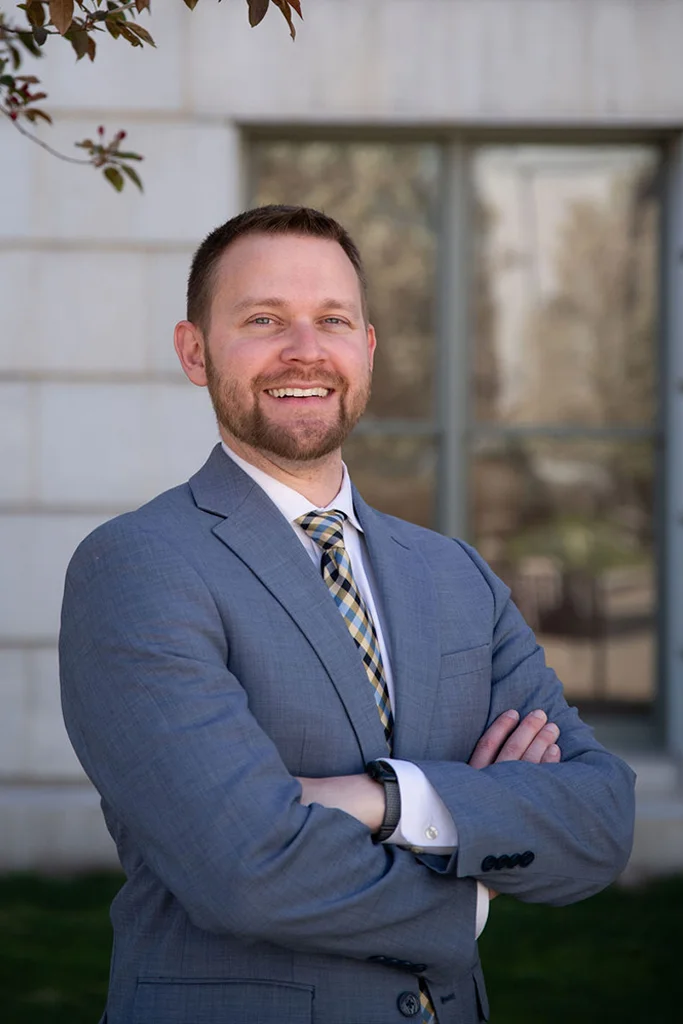
What changes in Alamosa County is the texture of the defense. Rural enforcement patterns differ from urban ones. Local court dynamics, the relationship between law enforcement agencies operating in the valley, and the specific roadways where traffic stops occur all shape how a case develops from arrest through resolution. Reid DeChant at DeChant Law has built a DUI defense practice grounded in genuine trial experience and the kind of deep case preparation that turns those local details into defense advantages.
What a DUI Stop in Alamosa County Actually Involves
Understanding what happened during your traffic stop is not just background information; it is the raw material of your defense. DUI arrests in the San Luis Valley most commonly begin with a traffic infraction stop, a checkpoint, or an officer who claims to have observed erratic driving. From the moment the officer approaches your window, every observation is documented and will later be used in both the criminal case and any administrative proceeding against your driver’s license.
Colorado operates under express consent law, which means that by driving on Colorado roads, you have legally consented to chemical testing if a law enforcement officer has reasonable grounds to believe you are impaired. Refusal triggers an automatic administrative revocation proceeding separate from the criminal case. The officer administering the advisement must follow specific procedural requirements, and any deviation from those requirements can be grounds for challenging the revocation. Looking at the case results from DeChant Law’s past representations, multiple DMV Express Consent actions have been dismissed because of improper advisements, procedural failures in administering chemical tests, and Miranda advisement timing issues. These are not technicalities in a dismissive sense; they are the law working as designed.
Field sobriety tests are another area where the defense has substantial ground to work. The standardized tests approved by the National Highway Traffic Safety Administration require officers to administer and score them in a specific manner. Altitude affects performance. Medical conditions, fatigue, and anxiety all affect performance. Uneven road surfaces in rural areas affect performance. In Alamosa, where elevation exceeds 7,500 feet, physiological responses differ from what test designers calibrated at sea level, and that reality belongs in your defense.
DUI Charges Defended Across the San Luis Valley
- First-Offense DUI: A first DUI conviction in Colorado carries potential jail time, mandatory public service, fines, license revocation, and ignition interlock requirements; the administrative license revocation through the DMV runs parallel to the criminal case and must be challenged separately within seven days of arrest.
- DWAI Charges: Driving while ability impaired requires only that the prosecution establish some impairment, a lower bar than DUI; DWAI charges are prosecuted seriously in Alamosa County and carry their own penalty structure that many drivers underestimate.
- DUI Per Se: Colorado establishes a BAC threshold at which impairment is presumed as a matter of law; challenging the accuracy, calibration, and administration of the breath or blood test is frequently the central defense strategy in per se cases.
- Drug-Impaired DUI: Driving impairment from marijuana, prescription medications, or controlled substances is prosecuted under the same DUI framework; unlike alcohol, there is no reliable per se standard for THC that has been validated by the scientific community, making these cases highly contestable.
- DUI with Prior Convictions: A second or third DUI conviction triggers significantly enhanced penalties under Colorado law, including mandatory minimum jail sentences and longer license revocations; the prior conviction record must be carefully reviewed because out-of-state priors and the manner in which prior pleas were entered can affect how enhancements apply.
- CDL Holder DUI: Commercial driver’s license holders face a lower BAC threshold for violation and career-ending license consequences that apply even if the arrest occurred in a personal vehicle; agricultural communities throughout the San Luis Valley rely heavily on CDL holders, making this a particularly high-stakes situation.
- Underage DUI: Colorado’s underage drinking and driving statute applies a significantly lower threshold than the standard adult DUI law; for students at Adams State University in Alamosa, a DUI arrest can trigger academic disciplinary proceedings, financial aid consequences, and housing restrictions on top of criminal penalties.
What to Do After a DUI Arrest in Alamosa County
The most critical deadline following a DUI arrest in Colorado is the seven-day window to request a DMV hearing to contest the administrative revocation of your driver’s license. This hearing is entirely separate from your criminal case and is handled through the Colorado Department of Revenue’s Division of Motor Vehicles. Missing that seven-day deadline almost certainly means your license will be automatically revoked. Requesting the hearing preserves your driving privileges during the pendency of the administrative process and gives your attorney the opportunity to challenge the revocation on procedural and substantive grounds.
Your criminal case in Alamosa County will be handled at the Alamosa County Courthouse, located in downtown Alamosa. The 12th Judicial District encompasses Alamosa, Conejos, Costilla, Mineral, Rio Grande, and Saguache counties, and cases may also be assigned to courts in other valley communities depending on where the arrest occurred. Reid DeChant is familiar with how DUI cases move through rural Colorado district courts and what the practical timeline looks like from first appearance through resolution.
In the days immediately following your arrest, do not discuss the facts of the stop or your driving with anyone other than your attorney. Write down everything you remember while it is fresh: where you were driving, what road you were on, the weather and lighting conditions, what the officer said and did, the sequence of field sobriety tests if they were administered, and whether you were read your Miranda rights and when. This contemporaneous record becomes valuable during investigation and at any hearing where the officer’s account is contested.
Request and preserve any evidence you can access: dashcam footage from your own vehicle if available, receipts from wherever you were before the stop, witness contact information, and any medical documentation relevant to conditions that could affect sobriety test performance. One of the most common mistakes in DUI cases is allowing time to pass without securing this evidence. Dashcam footage from law enforcement vehicles is subject to retention schedules, and failure to request it promptly through proper channels can result in its destruction.
How Reid DeChant Approaches Alamosa County DUI Defense
Reid DeChant came to private practice through the public defender’s office, where he handled a substantial volume of cases including DUI, DWAI, and drug-impaired driving charges across Denver, Broomfield, and Adams County courtrooms. That background means something concrete: Reid has spent more time in front of judges cross-examining officers and challenging breathalyzer and blood test evidence than many private defense attorneys see in an entire career. When a case requires pushing back on the science underlying a chemical test, Reid is prepared to do that with the rigor it demands, not as a tactic but because the science genuinely supports it in many cases.
Reid trained at the Trial Lawyers College, the program founded by Gerry Spence that teaches lawyers to build defenses through honest storytelling and authentic human connection rather than legal maneuvering alone. In DUI cases, where juries are often predisposed to assume guilt from the arrest itself, that ability to tell a client’s story credibly and humanly is not a soft skill; it is a trial skill. Reid’s recognition from national legal organizations and his membership in the National Association of Criminal Defense Lawyers and the Colorado Criminal Defense Bar reflect a commitment to the craft of defense that goes beyond basic competence.
What the case results from DeChant Law demonstrate is that DUI cases are winnable at trial. Not guilty verdicts at trial in DUI cases, dismissed express consent actions based on procedural violations, and case dismissals in multiple Colorado counties appear throughout the firm’s record. No attorney can promise an outcome, and past results do not guarantee future performance. But an attorney who has secured those results has done so by preparing cases thoroughly, knowing the law precisely, and advocating without hesitation when the facts support it. That is the approach Reid brings to every DUI matter, whether the case originates in Alamosa, Saguache, Conejos County, or anywhere else in the valley.
Questions About DUI Defense in Alamosa County
What is the difference between DUI and DWAI in Colorado?
Colorado law defines DUI and DWAI as separate offenses with different evidence requirements. A DUI charge is supported by a BAC at or above a certain statutory threshold or by evidence sufficient to show the driver was substantially incapable of safely operating the vehicle. DWAI applies at lower BAC levels and requires only that the driver’s ability was impaired to the slightest degree. Both charges carry penalties and both trigger DMV license revocation proceedings, but they differ in how the prosecution must frame its evidence and how defense strategies are tailored in response.
How does the DMV hearing work separately from the criminal case?
After a DUI arrest in Colorado, two parallel proceedings begin. The criminal case is prosecuted by the Alamosa County District Attorney through the 12th Judicial District courts. The administrative proceeding is handled by the Colorado DMV and concerns only your driving privileges. The DMV hearing is not a criminal proceeding; no jail time results from it. However, losing it means losing your license for a set period. Winning it, or having it dismissed due to procedural defects in the express consent advisement or testing process, preserves your ability to drive while the criminal case continues.
Can a DUI charge in Alamosa County affect my agricultural or commercial work?
Yes, significantly. Many residents of the San Luis Valley work in agriculture, transportation, or industries that require driving as a core job function. A CDL holder convicted of DUI faces mandatory disqualification from operating commercial vehicles. Even for non-CDL holders, a license revocation during the administrative process and any subsequent suspension following a conviction can disrupt employment that requires travel on rural roads. Professional licenses in certain fields also carry reporting requirements or disciplinary consequences tied to criminal convictions, and an attorney familiar with these collateral issues can factor them into the defense strategy from the beginning.
What happens if I refused the breathalyzer or blood test?
Refusing a chemical test in Colorado triggers an automatic license revocation under the express consent statute, and that revocation period is typically longer than the revocation period that follows a failed test. The refusal can also be used as evidence against you in the criminal case, with prosecutors arguing that you refused because you knew you were impaired. However, refusal cases are defensible. The officer’s advisement must comply with statutory requirements, and the circumstances of the stop itself remain fully contestable regardless of whether a chemical test was taken.
How long does a DUI case typically take in the 12th Judicial District?
Rural district courts like those in the 12th Judicial District generally have different docket dynamics than metro Denver courts. Case timelines depend on the complexity of the charge, whether it is a first or subsequent offense, whether there are pre-trial motions challenging evidence, and the court’s scheduling calendar. A straightforward first-offense matter might resolve within a few months, while a case involving suppression motions, contested expert evidence on blood test results, or a trial date can extend considerably longer. Your attorney should give you a realistic estimate based on the specific facts of your case and current court scheduling in Alamosa.
Does Colorado’s marijuana legalization mean I cannot be charged with DUI for cannabis use?
No. Colorado’s legalization of recreational marijuana did not change the DUI statute’s application to drug-impaired driving. It is illegal to drive while impaired by marijuana, and law enforcement officers in Alamosa County and across the San Luis Valley are trained in drug recognition evaluation techniques to identify suspected marijuana impairment. The complication for prosecutors in cannabis cases is that blood THC levels do not correlate reliably with actual impairment the way alcohol BAC levels do under standard scientific frameworks, which creates real room for defense. But the charge itself is fully prosecutable.
What if the traffic stop itself was unlawful?
If the stop lacked the legal justification required under the Fourth Amendment, everything that flowed from it, including any field sobriety test performance, chemical test results, and officer observations, may be subject to suppression. A successful suppression motion can result in dismissal of the charges because the prosecution cannot prove its case without the evidence gathered after the unlawful stop. Evaluating the legality of the stop is one of the first things an attorney should do after reviewing the police report and any available video.
Can Adams State University students face additional consequences from a DUI arrest?
Students enrolled at Adams State University in Alamosa should be aware that a criminal charge or conviction can trigger separate proceedings under the university’s student conduct code. Depending on the outcome of those proceedings, consequences can include suspension, loss of campus housing, or academic sanctions. Financial aid eligibility may also be affected for certain drug-related offenses. These institutional consequences are entirely separate from the criminal justice process and proceed on their own timeline regardless of how the criminal case resolves.
What role do blood test results play in Alamosa County DUI cases?
Colorado law enforcement agencies often draw blood rather than administer breath tests in DUI investigations, particularly in rural areas where testing infrastructure differs from urban departments. Blood test evidence involves a chain of custody from the draw through laboratory analysis, and errors at any point in that chain can affect the reliability and admissibility of the result. The lab performing the analysis must follow accreditation standards, the analyst must be qualified, the blood must be stored and handled properly, and the sample must not be contaminated. Each of these elements is subject to scrutiny during a vigorous defense.
Is it worth contesting a DUI if the BAC result was above the legal limit?
A BAC result above the statutory threshold creates a presumption under Colorado law, but it does not end the inquiry. The accuracy of the testing device, the training and conduct of the officer who administered the test, whether the test was administered within the required time window after driving, and whether the result was affected by physiological variables are all legitimate defense issues. Cases with test results above the limit have been dismissed and won at trial in Colorado. The answer depends on the specific facts, which is why a thorough case evaluation rather than a quick plea is always worth pursuing.
DUI Defense Representation Across the San Luis Valley and Southern Colorado
DeChant Law represents clients facing DUI and DWAI charges throughout Alamosa County and the broader San Luis Valley region. From the city of Alamosa through Monte Vista and Del Norte in Rio Grande County, south through Antonito and La Jara in Conejos County, and north into Saguache County communities including Moffat, Center, and Saguache itself, the firm serves clients whose cases arise anywhere in the 12th Judicial District. Representation also extends to Costilla County communities including San Luis, the oldest incorporated town in Colorado, and Mineral County cases filed out of Creede. Clients from Blanca, Fort Garland, La Jara, Capulin, Romeo, Manassa, and throughout the agricultural and ranching communities of the valley have access to the same rigorous defense that Reid DeChant brings to cases in more populated Colorado jurisdictions. Distance is not a barrier. Cases in rural courts require the same preparation, the same commitment to the client’s story, and the same willingness to take a case to trial when that is the right path.
Talk to an Alamosa County DUI Attorney About Your Case
A DUI arrest in the San Luis Valley does not have to define what comes next. The administrative clock starts running immediately after an arrest, and the seven-day deadline to request a DMV hearing cannot be recovered once it passes. Reid DeChant is an Alamosa County DUI attorney who brings genuine trial experience, deep preparation, and a defense approach rooted in understanding who you are and what actually happened, not just what the police report says. Call DeChant Law to speak with Reid directly about your case and take an honest look at your options before entering any plea or missing any deadline.