Glendale DMV Hearing Lawyer
A DMV hearing after a DUI or DWAI arrest in Colorado is not a formality. It is a separate legal proceeding that runs on its own timeline, its own rules of evidence, and its own set of consequences, completely independent of whatever happens in criminal court. If you were arrested in Glendale and the officer took your license, you have a narrow window to request a hearing with the Colorado Division of Motor Vehicles before that revocation becomes automatic. Miss that deadline, and the question is no longer whether your license gets revoked; it is how long you go without one. Working with a Glendale DMV hearing lawyer who has actually won these hearings is one of the most concrete things you can do in the days immediately following an arrest.
Glendale sits within Arapahoe County, a small but densely traveled municipality surrounded by Denver. The corridors along East Colfax Avenue and South Colorado Boulevard see heavy traffic enforcement, and officers from both the Glendale Police Department and surrounding jurisdictions routinely make DUI arrests in this area. Those arrests trigger an Express Consent process under Colorado law, and how that process was handled by the arresting officer often determines whether the DMV can legally proceed with a revocation at all. Reid DeChant has secured dismissals in DMV Express Consent hearings based on exactly the kinds of procedural errors that are easy to miss if you do not know what to look for.
At DeChant Law, DMV hearings are not treated as a side task to the criminal case. They receive the same focused preparation as any courtroom defense. If you are searching for a DMV hearing attorney in Glendale because your license is on the line, here is what you need to know about how these hearings work and what a strong defense actually looks like.
What Happens at a Colorado DMV Hearing and Why the Stakes Are Real
When you are arrested for DUI or DWAI in Colorado, the arresting officer is required to serve you with a notice of revocation and, in most cases, issue a temporary driving permit valid for seven days. Within those seven days, you or your attorney must contact the Colorado DMV to request a hearing. Fail to make that request, and the revocation takes effect automatically when the temporary permit expires. This is the first deadline, and it is unforgiving.
The DMV hearing itself is an administrative proceeding conducted before a DMV hearing officer, not a judge. The rules of evidence are more relaxed than in criminal court, but that does not mean the hearing is informal. The hearing officer reviews sworn police reports, chemical test results, and any other documentation submitted by law enforcement to determine whether the revocation was legally proper. If your attorney raises credible legal challenges, the burden shifts in ways that can result in dismissal of the action entirely.
The consequences of losing a DMV hearing are separate from any criminal conviction. A first-offense revocation for a BAC at or above the legal limit typically results in a license revocation period that can significantly disrupt daily life. For commercial drivers, the consequences are even more severe, since federal regulations impose strict standards on CDL holders regardless of state-level outcomes. And if you accumulate points or prior revocations, the revocation periods grow. Winning the DMV hearing does not guarantee a win in criminal court, and winning the criminal case does not mean the DMV drops its action. These are two separate battles, and both deserve serious attention.
Why DeChant Law Has a Record Worth Looking At for DMV Hearings
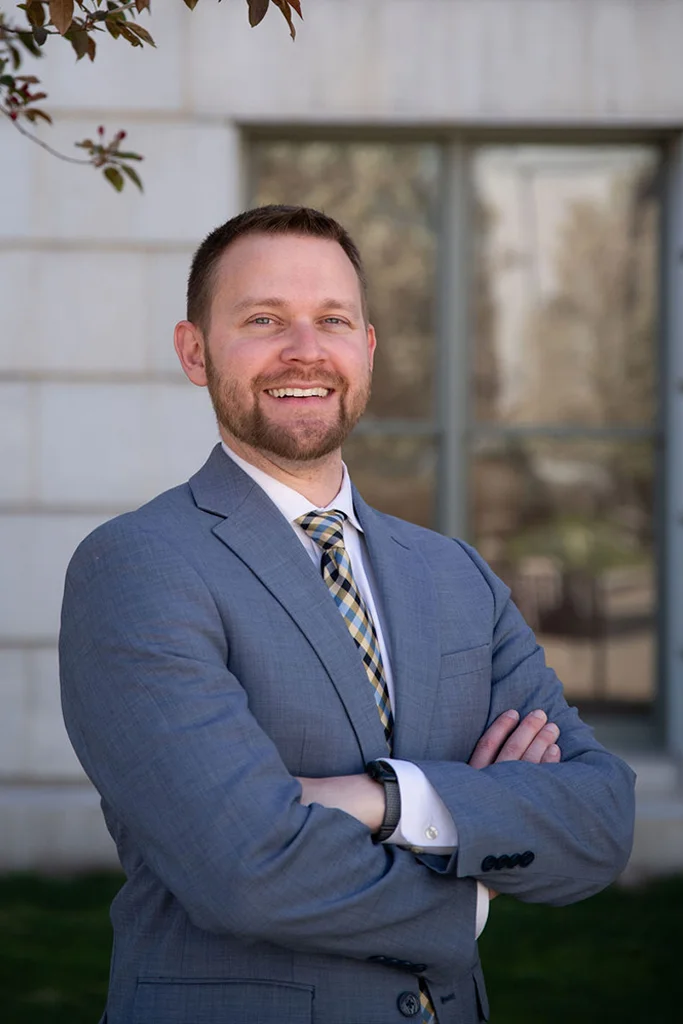
Reid DeChant has built a practice with an actual track record in DMV proceedings. The case results on the DeChant Law website list multiple Express Consent DMV hearings dismissed on a range of grounds: improper Express Consent advisement, failure to administer the chemical test within the required two-hour window, Miranda-related advisement issues, and general procedural failures by law enforcement. These are not generic outcomes. They reflect hearings where specific, technical arguments were prepared and presented effectively.
Before entering private practice, Reid served as a public defender, handling a high volume of cases in Denver, Adams County, and Broomfield courtrooms. That background gives him a practical fluency in how law enforcement conducts DUI investigations and how officers complete paperwork under pressure, which is exactly the kind of knowledge that surfaces winnable issues in DMV proceedings. He is also a graduate of the Trial Lawyers College, trained by attorneys who understand that winning requires more than legal argument. It requires genuine preparation, focused listening, and the ability to tell a coherent story about what the evidence actually shows.
Reid maintains membership in the National Association of Criminal Defense Lawyers and the Colorado Criminal Defense Bar, professional communities that keep him connected to the latest developments in DUI defense strategy and administrative law. For someone whose license is at stake, that ongoing engagement with the defense community is not a minor credential. It translates directly into sharper preparation at the hearing table. If you are looking for a DMV hearing attorney serving Glendale, the case results speak more concretely than any marketing claim.
Common Issues That Determine the Outcome of Colorado Express Consent Hearings
- Improper Express Consent advisement: Colorado law requires officers to advise drivers of their Express Consent obligations in a specific manner. If the advisement was defective, incomplete, or given at the wrong time during the encounter, the entire revocation action may be vulnerable to dismissal.
- Two-hour testing rule: The chemical test must be administered within two hours of the person’s driving. DeChant Law has successfully obtained dismissals where the timeline between the stop, arrest processing, and test administration exceeded this requirement.
- Miranda and the sequence of advisements: One of the firm’s listed case results involved a dismissal because the driver was given Miranda warnings before the Express Consent advisement, which created a legally significant conflict in the sequence of events.
- Chemical test refusal consequences and contested refusals: Refusing a chemical test in Colorado carries its own revocation consequences, but refusals can be contested where the driver was not properly informed of the consequences or where the officer’s conduct created confusion.
- Officer failure to appear: If the law enforcement witness does not appear at the scheduled hearing and the DMV cannot proceed without that testimony, the case may be dismissed for lack of evidence.
- Validity of the traffic stop: If the initial stop lacked reasonable suspicion, evidence gathered as a result of that stop may be challenged. While the rules differ from criminal court, the lawfulness of the stop is still a relevant question in the administrative proceeding.
- Breathalyzer and blood test accuracy: Calibration records, testing protocols, and chain of custody for blood samples all create potential grounds for challenging the reliability of the BAC result that forms the basis of the revocation.
What to Do in Glendale After a DUI Arrest Before That Seven-Day Window Closes
The single most time-sensitive action after a DUI arrest in Glendale is requesting the DMV hearing. That request must be made within seven days of the arrest date, and it must be directed to the Colorado Department of Revenue, Division of Motor Vehicles. Once the request is made, the revocation is stayed while the hearing is pending, which means your temporary permit remains valid in the interim. Missing the deadline forfeits that stay and the opportunity to contest the revocation administratively.
Contact DeChant Law as soon as possible after the arrest so that the hearing request can be submitted correctly and the preparation process can begin. The hearing typically takes place by telephone, and both sides submit documentary evidence in advance. That means the preparation window matters. Reid will request all relevant law enforcement records, including the officer’s report, the Express Consent advisement form, the chemical test results, and any video footage from the officer’s body camera or dashcam. Glendale Police Department records and Arapahoe County Sheriff records may both be relevant depending on which agency conducted the stop.
You should preserve everything you have from the night of the arrest: the paper notice of revocation, the temporary permit, any receipts or records that document where you were and when, and the names and contact information of any witnesses. Do not discuss the details of the arrest on social media or with anyone other than your attorney. Statements you make casually can resurface in unexpected ways.
On the criminal side, your case will likely be prosecuted in Arapahoe County District Court, which handles cases originating in Glendale. That proceeding moves on a separate schedule from the DMV hearing, but the evidence overlaps significantly. Having the same attorney handle both the DMV hearing and the criminal defense creates continuity and ensures that strategic decisions in one forum do not inadvertently harm the other.
Questions About Glendale DMV Hearings
How long do I have to request a DMV hearing after a DUI arrest in Colorado?
You have seven days from the date of arrest to request a hearing with the Colorado DMV. If you do not request the hearing within that window, the revocation takes effect automatically at the end of the temporary permit period. This is one deadline where there is no grace period.
Is the DMV hearing the same as my criminal court case?
No. These are entirely separate proceedings. The DMV hearing is an administrative process conducted by the Division of Motor Vehicles and concerns only your driving privileges. The criminal case is handled by the Arapahoe County District Attorney’s office and concerns potential fines, probation, or incarceration. The outcome of one does not control the outcome of the other.
What happens if I lose the DMV hearing?
If the hearing officer rules against you, the revocation takes effect on the date specified in the ruling. Depending on your prior history and the circumstances of the arrest, you may be eligible for a restricted license with an ignition interlock device, which allows limited driving privileges during the revocation period. Your attorney can advise you on what reinstatement options apply to your situation.
Can I still drive during the DMV hearing process?
Yes. Once you request the hearing, the revocation is stayed and your temporary permit remains valid until the hearing is resolved. This is one of the practical reasons to request the hearing immediately, even if you are still deciding how to approach the case overall.
What if the officer made a mistake in the paperwork?
Errors in the officer’s documentation are among the most common grounds for dismissal in Express Consent hearings. If the advisement form is incomplete, the test timing is not properly documented, or the sequence of events does not align with legal requirements, those discrepancies become arguments for dismissal. This is why having an attorney review the records carefully before the hearing is so important.
I refused the chemical test. Does that make the hearing pointless?
Refusing the test triggers a separate revocation track with different timelines, but the hearing is still worth requesting and contesting. Refusal revocations can also be challenged on grounds such as improper advisement of the consequences of refusal or ambiguous circumstances during the request. A refusal hearing is not automatically a lost cause.
I have a commercial driver’s license. How does a DMV hearing affect my CDL?
CDL holders face significantly harsher consequences under federal regulations. A DUI or implied consent violation can result in disqualification from commercial driving for at least one year on a first offense, regardless of whether the offense occurred in a personal vehicle. Winning the Colorado DMV hearing is especially important for CDL holders because the administrative outcome affects both state driving privileges and federal commercial driving eligibility.
What if my blood test results have not come back yet when the hearing occurs?
Blood test cases are common because blood draws take time to process through the Colorado Bureau of Investigation lab. If results are pending at the time of the hearing, the timeline of the proceeding may be affected. Your attorney can advise on how the hearing is typically scheduled in blood test cases and what procedural options apply.
Does winning the DMV hearing help my criminal case?
A DMV hearing dismissal is not binding on the criminal court, but the process of challenging the evidence in the hearing can be valuable preparation. Cross-examination of the officer at the DMV hearing, if it occurs, creates a record that can be used strategically in the criminal proceeding. Issues that surface during hearing preparation often inform the criminal defense as well.
If I already missed the seven-day deadline, is there anything I can do?
Once the deadline passes, the automatic revocation goes into effect and the hearing opportunity is generally forfeited. However, depending on the circumstances, there may be reinstatement options or other administrative remedies worth exploring. Speaking with an attorney promptly is still worthwhile even if the deadline has passed, because understanding your reinstatement path matters for getting back on the road legally.
DeChant Law’s DMV Hearing Representation Across Glendale and the Surrounding Region
DeChant Law serves clients throughout Glendale and the broader network of communities in Arapahoe County and the Denver metro area. From the Cherry Creek neighborhood and Hilltop area through Virginia Village, Wellshire, and into the University Hills corridor, the firm represents drivers whose licenses are on the line following arrests in this part of the metro. Clients also come from the neighborhoods of Lowry, Montclair, and the Hampden area, as well as from nearby Englewood, Sheridan, and Greenwood Village. The firm extends its DMV hearing representation into Aurora, Centennial, Littleton, and the communities of Bow Mar and Cherry Hills Village, and has handled proceedings arising from stops along East Colfax, South Colorado Boulevard, Mississippi Avenue, and the I-25 corridor through south Denver. Whether the arrest occurred within Glendale’s boundaries or in one of the surrounding jurisdictions, the Express Consent process and DMV hearing procedure are the same, and the preparation required is equally serious regardless of where the stop happened.
Contact a Glendale DMV Hearing Attorney Before That Window Closes
Reid DeChant has helped clients in Glendale and across the Denver metro area challenge license revocations through the Colorado DMV hearing process, with a documented record of dismissals on procedural and substantive grounds. If your driving privileges are at risk, the clock on your hearing request is already running. Reach out to DeChant Law today to speak with a Glendale DMV hearing attorney who will treat your case with the same preparation and care that any serious legal matter deserves. The consultation is the place to start. Call now to schedule yours.