Colorado Springs Probation Violation Lawyer
Probation is supposed to be the alternative to incarceration. But for thousands of people in El Paso County, a single misstep, a missed check-in, a failed drug test, or an allegation from a probation officer, can result in a warrant, an arrest, and a judge deciding whether to revoke that freedom entirely. The consequences of a probation violation hearing are often more severe than most people expect, because the procedural protections that apply at trial do not apply the same way at a revocation proceeding. A judge can revoke probation based on a preponderance of the evidence, a far lower threshold than the criminal standard. That asymmetry is why representation matters so much at this stage. If you are looking for a Colorado Springs probation violation lawyer, what you actually need is someone who understands how these hearings work, how probation officers build their cases, and what arguments actually move judges in El Paso County courtrooms.
Probation violations in Colorado fall into two broad categories: technical violations and substantive violations. Technical violations involve failures to comply with the specific conditions of probation, reporting requirements, community service hours, counseling attendance, or curfew conditions. Substantive violations involve new criminal charges. Courts treat these differently, and the strategies for defending them differ significantly. A lawyer who handles one the same way as the other is not thinking carefully about your case. The goal at DeChant Law is to evaluate what actually happened, what the probation officer documented, what evidence exists, and where the defense genuinely lies.
Colorado Springs sits within the 4th Judicial District, and El Paso County’s probation system operates with its own rhythms, its own officers, and its own culture inside the El Paso County Combined Courts. Understanding that local context is part of what effective defense at a revocation hearing actually requires.
Probation Violation Defense Across Colorado: What DeChant Law Brings to Your Hearing
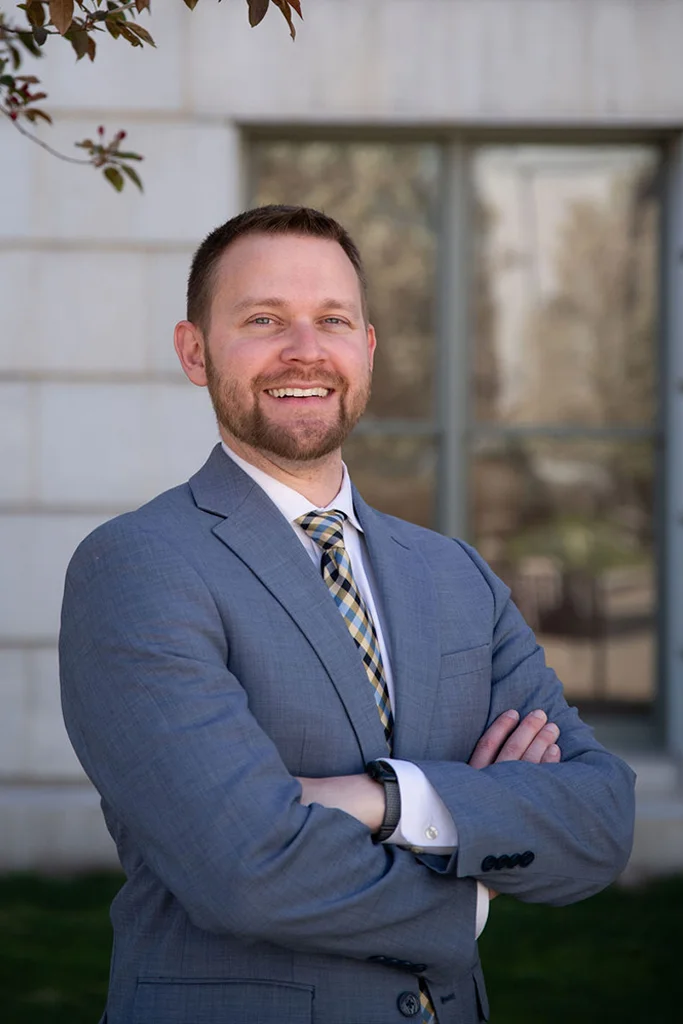
Reid DeChant built his criminal defense practice on a foundation of real courtroom experience. As a former public defender, he handled an enormous caseload across Denver, Adams County, and Broomfield County courtrooms, defending clients against charges ranging from traffic offenses to felony assault to homicide. That volume of trial and hearing experience matters at a probation revocation proceeding, because the lawyer who has stood across from prosecutors and argued difficult facts to skeptical judges is going to be better prepared than the one who settled everything from a conference room. Reid is a graduate of the Trial Lawyers College, trained in the approach to storytelling and human connection in advocacy developed by Gerry Spence. He is a member of the National Association of Criminal Defense Lawyers and the Colorado Criminal Defense Bar, organizations that keep him connected to the evolving strategies in criminal defense across the state.
Probation revocation hearings require a lawyer who can read the room, understand how a particular judge weighs probation officer testimony, and know when to push back hard and when to present a compelling mitigation argument that gives the court a reason to continue probation rather than impose incarceration. Reid’s background working as a public defender means he has spent significant time inside the criminal justice system understanding how probation violations actually get documented, reported, and presented to courts. That knowledge shapes how he approaches every revocation case he takes on. His case results across DUI dismissals, domestic violence acquittals, and assault verdicts reflect what happens when preparation meets the ability to advocate effectively under pressure.
The Most Common Probation Violations in El Paso County Cases
- Failed Drug or Alcohol Tests: Colorado probation conditions frequently include substance testing requirements, and a positive test or a diluted sample flagged by the lab can trigger a violation report. The frequency of testing, the reliability of the testing method, and whether the conditions permitted any substances legally, such as marijuana for medical use, all matter in how this violation gets challenged.
- Missed Reporting Appointments: Failing to check in with a probation officer, whether because of a scheduling conflict, a family emergency, or a simple miscommunication, is one of the most frequently cited technical violations. Courts distinguish between a pattern of avoidance and a single missed appointment, and context matters in how a judge views the conduct.
- New Criminal Charges: A new arrest while on probation creates two simultaneous problems: the new case itself and the violation it triggers in the existing probation case. These are distinct proceedings, and how you handle one affects the other. A Colorado Springs probation violation attorney who handles both the underlying criminal charge and the revocation matter can coordinate a defense strategy across both fronts.
- Failure to Complete Ordered Programs: Probation sentences in El Paso County often include requirements for alcohol treatment, domestic violence classes, anger management, or community service. Falling behind on completion timelines, whether due to cost, scheduling, or access, can constitute a violation even when the person is actively trying to comply.
- Unauthorized Travel or Relocation: Leaving El Paso County or crossing state lines without prior written approval from a probation officer violates standard probation conditions. This violation is especially common among people who have work requirements in other areas or family emergencies in other states.
- Firearm Possession: Colorado probation sentences for certain offenses prohibit the possession of firearms, and even lawful gun ownership prior to sentencing can become a violation issue if the conditions were not clearly explained or if the person’s rights were misunderstood.
- Contact with Protected Parties: Probation in domestic violence cases almost always includes no-contact conditions. Violations of these conditions, including indirect contact through social media, text messages, or third parties, can result in immediate warrant issuance and arrest.
What Happens After a Probation Violation Is Filed in Colorado
When a probation officer believes a condition has been violated, they file a complaint with the court. From that point, the process can move quickly. A judge may issue an arrest warrant, or in less serious situations, may summon the defendant to appear. If a warrant is issued and executed, the person is typically held without bail or with a high bond pending the revocation hearing. This is where having a probation violation attorney in Colorado Springs working immediately on your behalf can make a concrete difference, because early intervention at the bond hearing can sometimes prevent extended pretrial custody.
At the revocation hearing itself, the process differs from a criminal trial in important ways. There is no jury. The judge decides the outcome. The rules of evidence are relaxed, meaning hearsay and probation officer reports carry more weight than they would at trial. Prosecutors may introduce evidence that would never survive a suppression motion in a criminal case. These procedural realities mean the strategy for a revocation hearing cannot be borrowed from trial practice. It requires its own analysis of what evidence the court will actually consider and where credible counterarguments or mitigating facts can move the needle.
The El Paso County Combined Courts, located at 270 South Tejon Street in Colorado Springs, handle probation violation hearings for cases originating in the 4th Judicial District. If your case was filed in a municipal court, the process may differ. Knowing which court system controls your revocation and which judge is assigned matters when preparing arguments about continuations, modifications, or alternatives to revocation.
One of the most critical mistakes people make at this stage is waiting. A warrant sitting unresolved does not expire on its own, and the longer it remains active, the more it affects employment, housing, and the person’s relationship with the court. If you have been notified that a violation has been filed, or if you suspect a warrant has been issued, moving quickly to get legal representation and to address the warrant proactively is almost always better than waiting to be arrested. Self-surrender, handled properly with a lawyer who has communicated with the prosecution in advance, often results in better outcomes at the initial appearance than a roadside arrest would.
What Judges Actually Consider at Probation Revocation Hearings
A revocation hearing is not automatic incarceration. Judges retain significant discretion in how they respond to a violation finding, and the range of outcomes is broader than most people realize. A judge can revoke probation entirely and impose the suspended sentence. But a judge can also continue probation with modified conditions, add jail time as a sanction while keeping probation intact, order additional treatment requirements, or, in appropriate cases, dismiss the violation if the defense demonstrates the alleged violation did not occur or was not willful.
What actually drives these outcomes is the presentation. Courts look at the person’s overall compliance history on probation: how long they had been on probation before the violation occurred, whether prior violations exist, what steps they took after the violation was alleged, and what their overall circumstances look like. A person who slipped up on a single requirement after months of clean compliance is viewed differently than someone with a pattern of noncompliance. A probation violation attorney serving Colorado Springs clients understands how to frame that compliance history, how to present mitigating circumstances convincingly, and how to argue for alternatives that serve the court’s goals without imposing incarceration.
Reid DeChant’s training at the Trial Lawyers College emphasized that persuasion in a courtroom, whether at trial or at a hearing, comes from honest storytelling and genuine connection to the client’s actual situation. That approach applies directly to revocation hearings. Judges in El Paso County have seen every conceivable excuse for a violation. What they respond to is candor, accountability where it belongs, and a credible plan forward that gives them a reason to choose a path other than prison.
Questions About Probation Violations in Colorado Springs
Can a probation violation result in more time than my original sentence?
Yes. When a judge revokes probation, they can impose the full sentence that was suspended at the time of your original plea or conviction. In some cases, that sentence is longer than what you would have received had you gone to prison originally. This is one of the reasons why revocation hearings carry such serious weight, and why the outcome is not predetermined even when a violation occurred.
Do I have the right to a lawyer at a probation revocation hearing in Colorado?
Yes. You have the right to be represented by counsel at a revocation hearing. If you cannot afford an attorney, the court is required to appoint one. However, appointed counsel often carries a heavy caseload, and a private Colorado Springs probation violation attorney can dedicate focused attention to your specific circumstances and the strategic considerations your case presents.
What if I violated probation because of something outside my control?
Colorado courts do look at whether a violation was willful. If your failure to comply resulted from circumstances genuinely outside your control, such as a medical emergency, incapacity, or documented barriers to completing a program, that context matters at the hearing. The key is documentation and presentation. Courts do not automatically accept these defenses, but with the right supporting evidence and credible presentation, non-willful violations can result in continuation of probation rather than revocation.
Can the probation violation charge be dismissed entirely?
Yes, dismissal is a possible outcome. If the alleged violation did not actually occur, if the probation officer’s documentation is inaccurate, if the conditions were ambiguous or improperly imposed, or if there are other procedural defects in how the violation was alleged, a defense attorney can challenge the violation and seek dismissal. Not every violation that gets filed survives a contested hearing.
Will a probation violation automatically go on my criminal record?
A revocation finding and any new sentence imposed become part of your criminal record. The original conviction that placed you on probation was already on record. What changes with a revocation is that incarceration may now appear where probation appeared before, and future courts and employers will see that the probation was revoked.
If I have a new criminal charge while on probation, which case should I worry about more?
Both cases require immediate attention, and they interact in ways that make the sequencing of how you handle each matter significant. A conviction on the new charge makes the revocation almost certain. An acquittal or dismissal of the new charge gives you grounds to challenge the revocation. How you approach the new case, what plea discussions happen, and what facts become established through that process all affect your revocation hearing. Working with a lawyer who handles both simultaneously allows for a coordinated approach rather than handling them in isolation.
Can I get off probation early in Colorado to avoid the risk of future violations?
Colorado law does allow for early termination of probation in appropriate circumstances. Courts can grant this upon motion if the person has complied with conditions, completed required programs, and demonstrated that continued supervision is no longer necessary. If you are currently on probation and in good standing, discussing early termination as a goal with your attorney is worth doing, particularly if you have circumstances that make ongoing compliance genuinely difficult.
Does a probation violation affect my ability to get my record expunged or sealed later?
Colorado’s record sealing laws have specific eligibility requirements, and a revocation can complicate or extend the waiting period before you become eligible. The interaction between probation revocation and record sealing eligibility is something worth understanding before assuming your record can be addressed later. Speak with a Colorado Springs criminal defense attorney about the timing and eligibility implications for your specific case.
How long do probation revocation hearings typically take in El Paso County?
The timeline varies considerably. From the filing of a violation complaint to the final hearing, the process can take weeks to several months depending on the complexity of the allegations, whether a new criminal charge is involved, and the court’s docket. Initial appearances and bond hearings often occur within days of arrest. The full revocation hearing may be set further out. During that period, if you are held in custody, your attorney can be working to reduce or eliminate bond and to advance resolution.
What if my probation officer filed a violation report but the prosecutor has not moved on it yet?
The timeline between a probation officer’s report and a court action varies. In some cases, prosecutors review and decide not to pursue the violation, or they pursue a modified sanction rather than full revocation. This is a period where proactive contact through your attorney, demonstrating renewed compliance or addressing the underlying issue that caused the report, can sometimes influence whether formal proceedings move forward. Waiting passively during this window is rarely the best use of the time available.
DeChant Law’s Representation Across Colorado Springs and El Paso County
DeChant Law defends clients facing probation violations throughout Colorado Springs and the surrounding communities of El Paso County. This includes clients from the Briargate, Northgate, and Powers Corridor areas in the northern part of the city, as well as those from the Broadmoor, Cheyenne Mountain, and southwest Colorado Springs neighborhoods. The firm also represents clients from Fountain, Manitou Springs, Security-Widefield, Stratmoor, and the communities along the I-25 corridor stretching toward Monument and Palmer Lake to the north. Clients from Black Forest, Falcon, Peyton, and the eastern plains communities of El Paso County also receive the same level of representation. The 4th Judicial District encompasses all of El Paso County, and regardless of which part of the county your case originates from, your hearings will proceed through the El Paso County Combined Courts in Colorado Springs. DeChant Law also represents clients in neighboring Teller County and handles probation-related matters arising from cases in Pueblo County and the broader southern Colorado region.
Colorado Springs Probation Violation Attorney: Speak with DeChant Law Today
A probation revocation hearing is not a formality and it is not something you should walk into without someone who knows this specific process. The stakes are real, and the outcome depends heavily on how the hearing is prepared and presented. At DeChant Law, a Colorado Springs probation violation attorney is ready to review what happened in your case, identify the strongest arguments available to you, and stand beside you through every stage of the proceeding.
Reid DeChant brings genuine courtroom experience, real knowledge of how El Paso County’s courts handle these hearings, and the kind of client-centered preparation that actually produces results. Reach out to DeChant Law to schedule a consultation and get a direct, honest assessment of where your case stands and what your options are.