Lakewood Hit and Run Lawyer
A hit and run crash changes everything in an instant. One moment you are driving on Wadsworth Boulevard or stopped at a light near Alameda Avenue, and the next you are dealing with injuries, a damaged vehicle, and a fleeing driver who may never be found without serious legal effort. The frustration of being left at the scene of someone else’s negligence is compounded by a process that is not designed to make things easy for victims. A Lakewood hit and run lawyer can step in to investigate, identify liable parties, work with insurance companies, and fight for the compensation that the other driver tried to run away from.
What most people do not realize is that a hit and run in Lakewood is rarely a dead end. Colorado law has specific provisions that protect victims even when the at-fault driver is never identified. Uninsured motorist coverage, which Colorado requires insurers to offer, exists precisely for situations like this. And when a driver is eventually identified, the legal exposure they face is significant. The challenge is acting quickly, gathering the right evidence, and having someone in your corner who knows how to handle every angle of this type of case, from the Jefferson County criminal proceedings against the fleeing driver to the civil claim that gets you compensated.
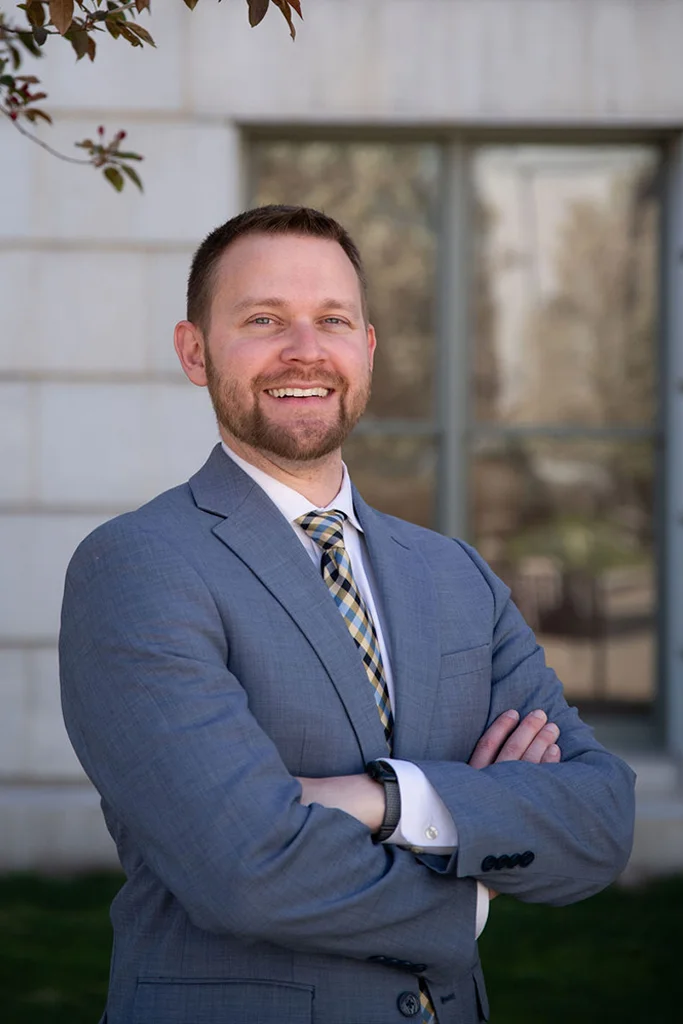
DeChant Law represents clients in Lakewood and throughout the Denver metro area who have been hurt in crashes where the responsible driver fled. Reid DeChant brings the same tenacity to hit and run cases that he applies in the courtroom defending clients, and that cross-trained understanding of how prosecutors, insurance companies, and courts actually work gives him a real edge when building your case.
What Actually Happens After a Hit and Run in Lakewood
The geography of Lakewood shapes where and how these crashes occur. Wadsworth Boulevard, Kipling Street, and West Colfax Avenue carry heavy traffic at all hours, and the stretch of US-6 running through the city sees consistent congestion during commuter hours. The area around Colorado Mills, Federal Center, and the light rail corridors creates predictable bottlenecks where distracted or impaired drivers are more likely to make contact with another vehicle or pedestrian and then panic and flee.
When the driver disappears, the police report becomes the foundation of everything that follows. Lakewood police investigate hit and run crashes with the help of traffic cameras, witnesses, nearby business surveillance, and, increasingly, automated license plate readers deployed throughout Jefferson County. That evidence has a short window. Video recordings get overwritten. Witnesses scatter. The sooner an attorney gets involved to send preservation letters and gather that footage, the better your chances of identifying the driver who hit you.
If the driver is never found, the case shifts to your own insurance company. Under Colorado’s uninsured motorist framework, your insurer effectively steps into the shoes of the unknown driver and pays the damages that driver would owe you. But do not mistake your own insurance company for an ally. They are still in the business of minimizing payouts, and they will scrutinize your injuries, your treatment timeline, and the circumstances of the crash with the same skepticism they would apply to any other claim. Having a Lakewood hit and run attorney working that claim on your behalf changes the dynamic entirely.
Why DeChant Law Handles Hit and Run Cases Differently
Reid DeChant built his practice on genuine courtroom experience rather than on settlement volume. As a former public defender in Denver, Broomfield, and Adams County courtrooms, Reid developed a granular understanding of how law enforcement investigates crashes, how prosecutors build criminal cases against hit and run drivers, and how the criminal and civil sides of a case interact. That perspective is genuinely rare among civil attorneys and it matters when you are dealing with a situation that has both a criminal case against the fleeing driver and a civil claim for your damages running simultaneously.
Reid is a graduate of the Trial Lawyers College, the intensive program founded by Gerry Spence that trains lawyers in narrative advocacy and authentic courtroom communication. That training shapes how he presents client cases, whether to an insurance adjuster, an arbitrator, or a jury. The firm’s track record across criminal defense includes charges dismissed at trial, not-guilty verdicts in assault and DUI cases, and DMV actions defeated that many attorneys would have advised clients to accept. That trial readiness extends to civil claims because insurance companies make different decisions when they know the attorney across the table will actually take the case in front of a jury.
Reid is also a member of the National Association of Criminal Defense Lawyers and the Colorado Criminal Defense Bar, organizations that keep him current on legal developments at both the state and national level. He treats clients as partners in their own cases, not as case files to be processed. Every client is informed at every step, consulted on every significant decision, and never left guessing about where their case stands.
The Range of Hit and Run Injuries and Claims We Handle
- Rear-end and intersection collisions: Drivers who cause T-bone or rear-end impacts on roads like Kipling Street or West Alameda Avenue and flee before police arrive are liable for the full spectrum of damages from those crashes, including whiplash, back injuries, and traumatic brain injuries that may not become fully apparent for days after impact.
- Pedestrian and cyclist hit and run incidents: Lakewood has seen continued development of pedestrian corridors and bike lanes, particularly near the W Line stations, and pedestrians and cyclists struck by fleeing drivers face some of the most severe injuries in this category, with longer recovery timelines and higher medical costs to document.
- Parking lot and low-speed property damage: Not every hit and run involves injury. When a driver strikes a parked vehicle near Colorado Mills or a residential street and flees, the claim process still requires a police report and skilled negotiation with your insurer to ensure the repair or replacement costs are fully covered.
- Uninsured motorist claims: Colorado requires insurers to offer UM/UIM coverage, and hit and run cases where the driver remains unidentified typically proceed under this coverage. These claims are adversarial by nature, and your insurer will challenge the accident circumstances, your injuries, and your damages at every stage.
- Cases where the fleeing driver is later identified: When Lakewood police or Jefferson County investigators identify the at-fault driver through surveillance footage, witness statements, or license plate data, a civil claim runs parallel to any criminal case. Coordinating those proceedings properly protects your ability to recover maximum compensation.
- Hit and run crashes involving commercial vehicles: Delivery trucks, rideshare vehicles, and contractor vans operating in the Lakewood area are subject to additional layers of liability because the driver’s employer may share responsibility, and the insurance coverage on commercial vehicles is typically substantially higher than personal auto policies.
- Crashes with fatal outcomes: Colorado law provides a wrongful death framework for families who lose someone to a hit and run crash. These claims require immediate action to preserve evidence and comply with applicable deadlines.
What to Do in the Days and Weeks After a Lakewood Hit and Run
The moments immediately after the crash matter more than most people realize. Call 911 and stay at the scene. Lakewood police will respond and take a report, and that report number is something you need before you do anything else. While you wait for officers to arrive, look around for any witnesses who saw the vehicle, try to recall any partial description of the car including color, make, or even a partial plate number, and take photographs of your vehicle, the road surface, skid marks, debris, and any visible injuries.
Seek medical attention the same day, even if you feel relatively okay. Emergency rooms at Centura Health Lakewood or St. Anthony Hospital in Lakewood can evaluate you, and that documentation creates an immediate medical record that connects your injuries to the crash date. Gaps between the crash and your first medical visit are one of the primary tools insurance companies use to minimize injury claims. Do not give them that opening.
Report the crash to your own insurance company promptly, but be measured in what you say. You have an obligation to report a claim, but you are not obligated to give a recorded statement or provide a detailed account of your injuries before you have legal representation. The Jefferson County Courthouse in Golden handles civil matters arising from Lakewood crashes, and the Lakewood Municipal Court handles lower-level traffic and municipal matters, though most serious hit and run cases involving injury move through state district court. An attorney can tell you exactly where your case will be heard based on the specifics of what happened.
One of the most damaging mistakes people make is waiting too long to contact a Lakewood hit and run attorney while hoping the police will locate the driver and make everything simple. Colorado’s statute of limitations for personal injury claims has a defined window, and evidence degrades rapidly in the meantime. Acting early gives your attorney the ability to send preservation letters to businesses near the crash site, retain an accident reconstructionist if necessary, and monitor the police investigation for any leads that can be converted into a civil claim against an identified driver.
Questions People Ask About Hit and Run Cases in Lakewood
Can I recover compensation if the driver who hit me was never caught?
Yes. Colorado requires insurers to offer uninsured motorist coverage specifically to address situations where an at-fault driver cannot be identified or has no insurance. If you purchased UM coverage, your own insurer steps in and pays damages up to your policy limits. If you declined UM coverage, the options become more limited, which is why documenting the crash thoroughly and getting legal advice quickly is critical to understanding what paths are still available.
Does a hit and run in Lakewood get reported to the police automatically or do I have to file the report myself?
You need to call 911 at the scene. Lakewood police will respond and generate an official incident report. If you left the scene before police arrived, you can still go to the Lakewood Police Department to file a report, but doing so immediately rather than days later preserves the credibility of your account and documents your injuries and vehicle damage while they are fresh.
How long do I have to file a claim after a Lakewood hit and run?
Colorado’s general statute of limitations for personal injury claims is three years from the date of the accident. However, certain circumstances can shorten or complicate that window, particularly when government entities are involved or when a UM claim requires compliance with specific policy procedures. Waiting until the deadline approaches is a risky strategy because much of the evidence you need to build a strong case disappears long before the legal deadline arrives.
What if I was partially at fault for the crash?
Colorado follows a modified comparative fault rule. As long as you are not more than 49 percent responsible for the crash, you can still recover damages, though your recovery is reduced by your percentage of fault. In hit and run cases, the fleeing driver’s behavior is typically the dominant cause of the crash, and the evidence gathered from surveillance footage and accident reconstruction usually supports that conclusion.
Will my insurance rates go up if I file a UM claim after a hit and run?
This is a common concern and a legitimate one. Under Colorado law, insurers are generally restricted from raising your rates simply because you filed a claim as a victim of an uninsured or hit and run driver. However, policy specifics vary, and some insurers attempt to apply surcharges in ways that may not be fully compliant with the rules. An attorney can review your policy and advise you on how to protect your premium status while still pursuing full compensation.
Can the police still find the driver who hit me weeks after the crash?
Yes, and it happens more often than people expect. Jefferson County investigators and Lakewood police sometimes identify hit and run drivers through tips that come in after initial publicity, through matching vehicle damage to a specific car found during a routine traffic stop, or through surveillance footage that was not immediately reviewed at the time of the crash. Your attorney can stay in contact with the investigation and move quickly to add that driver to a civil claim if they are identified, even if considerable time has passed.
What criminal charges does a hit and run driver face in Colorado?
Under Colorado law, leaving the scene of an accident involving injury is a serious crime that can be charged as a felony depending on the severity of the harm caused. A driver who flees a crash resulting in serious bodily injury or death faces substantial criminal penalties, including prison time. While the criminal case against the driver is separate from your civil claim, a criminal conviction or guilty plea can be powerful evidence in your civil case and may affect your ability to collect a judgment.
What if the hit and run happened in a parking lot rather than on a public road?
Parking lot crashes are still covered by Colorado’s hit and run statutes and by your auto insurance policy. The reporting and claims process is essentially the same. The difference is that parking lots often have better surveillance coverage than public roads, making it more likely that the vehicle responsible can be identified through footage from the property owner’s cameras. Acting quickly to request that footage before it is overwritten is especially important in these cases.
My injuries seemed minor at first but got worse. Does that affect my claim?
Delayed onset of symptoms is extremely common after crashes, particularly with soft tissue injuries, herniated discs, and concussions. The key is continuous documentation. Continue seeking medical care as symptoms develop, follow your doctor’s recommendations, and avoid the gap that insurers seize on as evidence that you were not really hurt. Your attorney can help you build a medical timeline that accurately reflects how your injuries evolved and why the full scope of damages should be compensated.
Should I post about the accident on social media?
Refrain from posting about the crash, your injuries, or your recovery on any social media platform until your case is fully resolved. Insurance adjusters and defense attorneys routinely monitor claimants’ social media accounts, and a photograph of you looking well or a comment about feeling better can be pulled out of context and used to minimize your claim. This is one of the most preventable mistakes people make, and the cost can be significant.
Serving Lakewood and the Surrounding Jefferson County Communities
DeChant Law represents clients throughout the Lakewood area and the broader Jefferson County region, including clients from the Belmar neighborhood, the Bear Creek corridor, Green Mountain, Eiber, and the Edgewater community along Sloan’s Lake. The firm also serves clients in Wheat Ridge, Golden, Arvada, and the Morrison Road area, as well as those in the mountain communities along US-285 and Colorado Route 74 who travel into Lakewood for work or commerce and are involved in crashes on those corridors. Clients from Westminster, Broomfield, and Northglenn who have cases in Jefferson County District Court can also rely on DeChant Law’s familiarity with those courts and the local legal community. Whether the crash happened near the Federal Center, along the W Line corridor, or on one of Lakewood’s busier surface streets, the firm handles claims that originate across the full geographic reach of the Denver metro area’s western suburbs.
Talk to a Lakewood Hit and Run Attorney Before the Evidence Disappears
If you were hit by a driver who fled, you do not have to absorb those losses on your own. A Lakewood hit and run attorney can move immediately to preserve surveillance footage, coordinate with the police investigation, and build the claim that gets you compensated, whether through an identified driver’s insurance, your own UM coverage, or litigation if that becomes necessary. Reid DeChant at DeChant Law represents clients in Lakewood and throughout the Denver metro area with the same intensity he brings to every case. Call DeChant Law to schedule a consultation and find out what options exist for your specific situation.