Lakewood Felony DUI Lawyer
A felony DUI charge in Lakewood carries consequences that extend far beyond a fine or a temporary license suspension. Colorado law elevates a DUI to felony status under specific circumstances, and when that threshold is crossed, the person charged is looking at the potential for prison time, a permanent felony conviction on their record, and a cascade of collateral consequences that can reshape employment prospects, housing eligibility, and civil rights for years. The Lakewood felony DUI lawyer you hire will determine how effectively that exposure gets challenged, reduced, or resolved.
Jefferson County, which encompasses Lakewood and handles the vast majority of felony DUI cases originating there, has an active prosecution structure. The Jefferson County District Attorney’s Office treats repeat and aggravated DUI cases with significant seriousness, and prosecutors assigned to these matters are not inexperienced. They handle large caseloads, they know the local judges, and they come prepared. A defense that tries to coast on vague procedural arguments without deep knowledge of how these cases actually develop inside Jefferson County District Court will not get far.
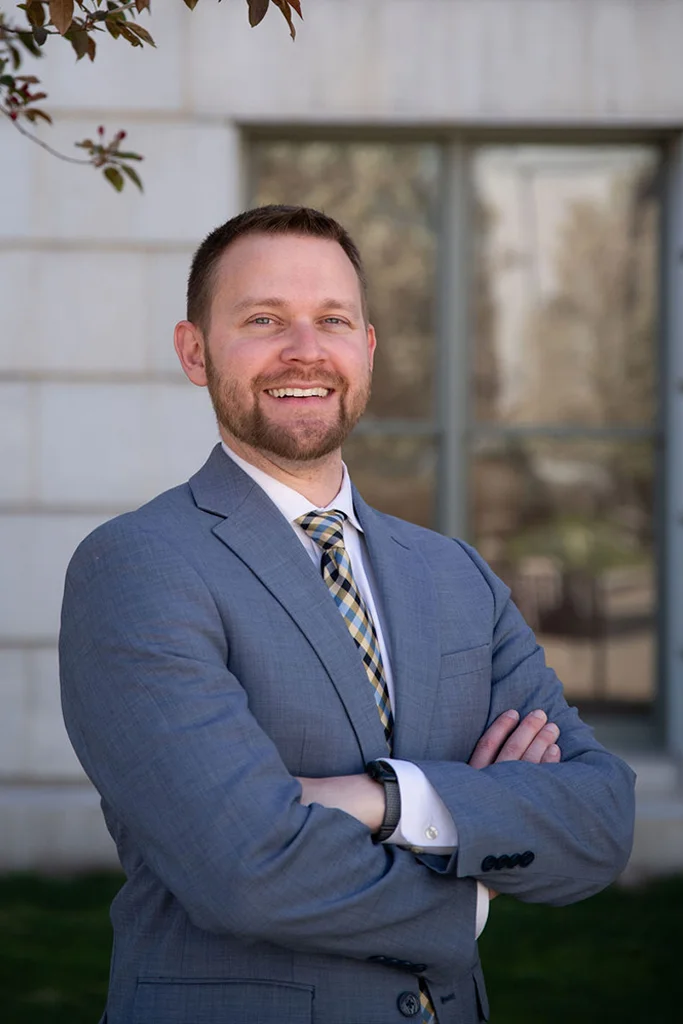
Reid DeChant at DeChant Law has built a defense practice that is particularly suited to the realities of Colorado felony DUI prosecution. As a former public defender who handled an enormous volume of DUI and felony cases across Jefferson County, Adams County, and Broomfield, Reid has spent real time inside the courtrooms where these cases get decided. His training at the Trial Lawyers College, an intensive program founded by legendary attorney Gerry Spence, gives him a method of courtroom advocacy rooted in honest storytelling rather than legal abstraction. That combination matters when the stakes involve potential prison time.
What Triggers Felony DUI Status Under Colorado Law
Not every DUI becomes a felony. Colorado reserves felony DUI status for situations that the legislature has identified as warranting more severe consequences than a standard misdemeanor. Understanding exactly where the felony line sits matters, because the classification of the charge shapes every negotiation and every motion that follows.
The most common path to a felony DUI in Colorado is prior convictions. A DUI charged as a person’s fourth or subsequent offense becomes a Class 4 felony, regardless of how much time has passed since the earlier convictions. Colorado does not have a lookback window that limits the use of older DUI convictions the way some states do. A DUI conviction from fifteen years ago counts the same as one from two years ago when the prosecution is calculating whether to file felony charges. This means people who believe their past is behind them sometimes discover otherwise when they face a new DUI stop.
Serious bodily injury caused by impaired driving brings its own felony charge: vehicular assault. When a collision results in serious bodily injury to another person and the driver is determined to have been under the influence of alcohol or drugs, the charge becomes a Class 4 felony under Colorado law. Death elevates the charge further to vehicular homicide, a Class 3 felony. These charges are distinct from the standard DUI framework but are frequently charged alongside DUI or DWAI allegations, and they carry the potential for substantial prison sentences that make aggressive defense preparation essential from the first day.
The distinction between a felony DUI and a felony DWAI also matters in practice. While DWAI generally requires a lower showing of impairment, the felony enhancement rules apply similarly based on prior convictions. Someone charged with felony DWAI because of prior offenses faces real prison exposure even though the underlying impairment allegation is technically less severe than a standard DUI.
The Charges Most Commonly Filed in Jefferson County Felony DUI Cases
- Fourth or Subsequent DUI/DWAI: Colorado statute elevates a DUI or DWAI to a Class 4 felony when the defendant has three or more prior alcohol or drug driving convictions, with no time limit on how far back those prior convictions may reach.
- Vehicular Assault DUI: A Class 4 felony when a driver under the influence causes serious bodily injury to another person, carrying potential prison sentences and mandatory parole periods upon release.
- Vehicular Homicide DUI: A Class 3 felony when impaired driving results in the death of another person, representing the most serious DUI-related charge under Colorado law.
- DUI with Child Passenger: While not always charged as a standalone felony, a DUI involving a child in the vehicle can trigger child abuse charges that carry felony exposure depending on the circumstances and injury risk.
- Express Consent Refusal Violations: When a driver refuses chemical testing, Colorado’s Express Consent law triggers a mandatory revocation hearing at the DMV separate from the criminal case, and prior refusals or revocations can compound the penalties within the criminal proceeding itself.
- DUI-Drugs Felony: Colorado’s impaired driving laws apply equally to drug impairment, including prescription medications and controlled substances, and a fourth or subsequent DUI-Drugs charge carries the same felony classification as an alcohol-related DUI.
- Aggravated DUI Sentencing Factors: Even within felony DUI charges, certain facts, including extremely high blood alcohol concentration, driving on a suspended license, or causing an accident, can affect the sentencing range and influence how aggressively the prosecution pursues incarceration.
How Felony DUI Cases Move Through Jefferson County and What to Do Early
Felony DUI cases in Lakewood are filed in Jefferson County District Court, located in Golden. Unlike misdemeanor DUI cases, which are handled in county court, felony cases involve a more complex procedural path: an advisement, a preliminary hearing or grand jury indictment, arraignment, pretrial motions, and eventually a trial or disposition. The preliminary hearing is one of the first critical moments in the case, because it is where the prosecution must show probable cause that the defendant committed the charged offense. A thorough preliminary hearing cross-examination of law enforcement witnesses can expose weaknesses in the case, lock officers into testimony, and set the groundwork for later suppression motions.
The single most important thing a person charged with felony DUI in Lakewood can do in the immediate aftermath of an arrest is to say nothing further to law enforcement. Statements made at the scene or during booking have a way of becoming exhibits at trial. Even seemingly innocuous admissions about how many drinks you had or where you were coming from will be used. Invoking your right to counsel ends that line of questioning. Every day that passes before retaining defense counsel is a day that evidence is not being preserved, witnesses are not being interviewed, and potential defenses are not being identified.
The DMV Express Consent process runs parallel to the criminal case and operates on its own separate timeline. A driver who is arrested for DUI in Colorado has a limited window, typically seven days from the arrest, to request a hearing to contest the administrative revocation of their license. Missing that deadline forfeits the right to contest the revocation. DeChant Law has a documented record of successful DMV Express Consent hearings, including dismissals based on improper advisements, failure to administer chemical testing within the required window, and procedural defects in the consent process itself. These are not minor procedural wins; they directly affect whether a client can continue to drive, which for most working adults in Lakewood is essential.
Blood draw evidence is frequently central to Colorado felony DUI prosecutions, particularly in cases involving vehicular assault or homicide where law enforcement obtains a warrant. The chain of custody for blood samples, the qualifications and methodology of the lab conducting the analysis, the storage conditions of the sample, and the calibration records for testing equipment are all legitimate areas of defense investigation. When those records reveal problems, suppression motions can eliminate the most damaging evidence in the case. This kind of investigation takes time and requires defense attorneys who know what to look for and have the litigation experience to present suppression arguments effectively to a Jefferson County district judge.
Why DeChant Law Handles Lakewood Felony DUI Cases Differently
Reid DeChant’s background as a public defender is genuinely relevant here, not as an abstract credential but as a specific source of the kind of experience that private criminal defense work does not always produce. Public defenders handle volume. They appear in court constantly. They cross-examine law enforcement witnesses repeatedly and learn how to identify the inconsistencies and gaps in police testimony that less experienced trial lawyers miss. By the time Reid transitioned to private practice, he had already defended cases involving DUI, DWAI, felony charges, assault, homicide, and sexual assault across multiple Colorado jurisdictions. That is a foundation that takes years to build and cannot be replicated by attending seminars or reading case law.
His training at the Trial Lawyers College matters in a different way. Most lawyers approach a DUI case as a document problem: analyze the evidence, write motions, negotiate a plea. That approach can work. But when a case goes to trial, which felony DUI cases often do when the stakes involve years of incarceration, the outcome depends on whether a jury connects with the person in front of them. Reid’s training in narrative advocacy and psychodrama techniques shaped by Gerry Spence’s philosophy of authentic courtroom presence gives him tools that pure legal analysis does not. Juries are human. They respond to lawyers who treat defendants as human beings rather than legal abstractions, and that is the approach Reid brings to every trial.
The results listed on DeChant Law’s website, including not guilty verdicts in DUI third out of Jefferson County and DUI-Drugs out of Jefferson County, and multiple DMV Express Consent dismissals in cases involving improper advisements and procedural defects, reflect real outcomes in the same jurisdiction where Lakewood felony DUI cases are prosecuted. Reid is also a member of the National Association of Criminal Defense Lawyers and the Colorado Criminal Defense Bar, staying current with developments in Colorado DUI law, suppression doctrine, and trial strategy through the most rigorous professional networks available to defense attorneys in this state.
Questions About Felony DUI Charges in Lakewood
What makes a DUI a felony in Colorado?
The most common trigger is prior convictions. A fourth or subsequent DUI or DWAI offense in Colorado is charged as a Class 4 felony, regardless of when the prior convictions occurred. Vehicular assault and vehicular homicide charges also carry felony classification when alcohol or drug impairment is a factor in causing serious injury or death to another person.
What is the potential prison sentence for a felony DUI in Colorado?
A Class 4 felony in Colorado carries a presumptive sentencing range that includes the possibility of prison time, though the exact range depends on the specific charge, any aggravating or mitigating factors, and the judge’s discretion within statutory parameters. Vehicular homicide as a Class 3 felony carries a longer potential sentence. An attorney familiar with Jefferson County sentencing practices can give you a more realistic assessment of what disposition is likely given the specific facts of your case.
Can a felony DUI be reduced to a misdemeanor in Colorado?
In some circumstances, yes. Whether a reduction is achievable depends on the strength of the evidence, the number and nature of prior convictions, the specific charge, and the posture of the Jefferson County DA’s office on the case. A successful suppression motion that eliminates key evidence can dramatically change the negotiating landscape. The goal of defense counsel in many felony DUI cases is to identify the legal vulnerabilities in the prosecution’s case early enough to use them as leverage toward a better outcome.
What happens to my driver’s license if I am charged with felony DUI?
The DMV Express Consent proceeding is separate from the criminal case and operates on its own timeline. If you do not request a hearing within the required window after arrest, the revocation becomes automatic. Even if the criminal case is eventually resolved favorably, the DMV action proceeds independently. DeChant Law has successfully challenged DMV revocations in Express Consent hearings on multiple grounds, including improper advisements and procedural failures by law enforcement.
Does my blood alcohol level affect whether the charge is a felony?
For the purpose of triggering felony status, the prior conviction count matters more than the BAC reading. However, a very high BAC reading can affect how aggressively the prosecution pursues incarceration and can influence sentencing if the case is resolved by plea or verdict. The accuracy and admissibility of BAC evidence is also frequently a contested issue in felony DUI litigation, particularly in blood draw cases where chain of custody and lab methodology are scrutinized.
Can prior DUI convictions from other states count toward Colorado’s felony threshold?
Colorado looks at out-of-state convictions for substantially similar offenses when calculating prior conviction counts for enhancement purposes. A DUI conviction from Texas, California, or any other jurisdiction that mirrors Colorado’s impaired driving statute can count toward the fourth-offense threshold that triggers felony treatment. This means that someone with prior out-of-state DUI history who is arrested in Lakewood may face felony charges even if they have no prior Colorado convictions.
How does a felony DUI affect someone’s professional license in Colorado?
Colorado licensing boards for healthcare professionals, teachers, attorneys, financial advisors, real estate agents, and others have independent authority to discipline or revoke professional licenses based on felony convictions. A felony DUI conviction can trigger a licensing investigation or mandatory self-reporting requirement depending on the profession. This collateral consequence is often as significant as the criminal sentence itself, and it is a reason why plea decisions in felony DUI cases deserve careful analysis that goes beyond the immediate criminal exposure.
Is it possible to fight vehicular assault charges when there was a real collision and real injuries?
Yes. The prosecution must prove not only that a collision occurred and caused injury but also that the driver was under the influence or impaired and that the impairment was a cause of the collision. Each element of that chain is contestable. Accident reconstruction evidence, blood draw accuracy, the officer’s observations and their timing, the role of other drivers or road conditions, and the question of causation are all legitimate defense territories even in cases where the underlying facts involve real harm to real people.
How long does a felony DUI case typically take to resolve in Jefferson County?
Felony cases in Jefferson County District Court generally take considerably longer than misdemeanor matters. From first advisement through preliminary hearing, pretrial motions, and either a plea resolution or trial, a felony DUI case commonly spans many months and can extend past a year depending on the complexity of the evidence, the motion practice involved, and the court’s calendar. Cases involving vehicular assault or homicide, which often include more extensive forensic evidence, expert witnesses, and victim input, tend toward the longer end of that range.
What should I do if law enforcement wants to interview me after a DUI arrest?
Do not agree to any interview without defense counsel present. This applies whether law enforcement frames the request as informal, whether they suggest it will help your situation, or whether they contact you days after the initial arrest. Anything you say becomes part of the record available to the prosecution. The right to remain silent and the right to counsel exist precisely because post-arrest questioning is one of the most reliable ways prosecutors build and strengthen their cases. Exercise those rights clearly and early.
Serving Lakewood and Surrounding Jefferson County Communities
DeChant Law represents clients facing felony DUI charges throughout Lakewood and the broader Jefferson County region. That includes clients from the Belmar district, the Applewood area, Edgewater, Wheat Ridge, and the neighborhoods along Wadsworth Boulevard and Kipling Street where law enforcement patrols are particularly active. Clients from Green Mountain, Morrison, Evergreen, and the mountain communities along U.S. 285 and State Highway 73 have also come to DeChant Law when facing serious impaired driving charges that carry felony exposure. The firm also extends its felony DUI representation to clients in Golden, Arvada, Littleton, Englewood, and Sheridan, all of which fall within Jefferson County or adjacent jurisdictions where Reid has extensive courtroom experience. For clients whose charges originate from incidents on Interstate 70, U.S. 6, C-470, or the intersection of Colfax Avenue and Sheridan Boulevard, the specific facts of the traffic stop and arrest location often play into how the case is challenged, and local knowledge of enforcement patterns in those corridors matters at every stage of the defense.
Talk to a Lakewood Felony DUI Attorney Before Making Any Decisions
A felony DUI charge is not a matter where waiting to see how things develop is a reasonable strategy. Evidence gets fixed early, the DMV clock starts ticking from the day of arrest, and the preliminary hearing is one of the first opportunities to expose weaknesses in the prosecution’s case before they harden into a conviction. A Lakewood felony DUI attorney from DeChant Law will review the facts of your arrest, the prior conviction record that led to the felony designation, and the specific evidence the prosecution intends to use, and give you an honest assessment of what can be challenged, what realistically cannot, and what strategy gives you the best path forward. Contact DeChant Law to schedule a consultation and start building your defense.