Arapahoe County DWAI Lawyer
A DWAI charge in Arapahoe County carries real consequences that many people underestimate because the offense sits one step below a DUI on paper. That distinction can be misleading. Driving While Ability Impaired is still a criminal conviction, it still appears on your driving record, and it still triggers DMV proceedings that can cost you your license. The gap between a DWAI and a DUI in terms of practical impact on your life is narrower than most people expect when they first hear the lesser charge. Working with an Arapahoe County DWAI lawyer who knows how these cases are actually prosecuted, and how they can be defended, is the first decision worth getting right.
Colorado law defines DWAI as operating a vehicle when your ability to drive is even slightly impaired by alcohol, drugs, or both. The blood alcohol threshold sits at a lower level than DUI, which means a driver who blows under the DUI limit can still be charged and convicted if the evidence suggests any impairment. Arapahoe County law enforcement is active along I-25 through Englewood, along South Broadway, along Havana Street, and in the Glendale corridor near Cherry Creek, all areas where DUI and DWAI stops are common, particularly on weekend nights and after events. Field sobriety tests administered on those roadways, breath test results, and officer observations form the core of most DWAI cases, and each of those elements can be challenged.
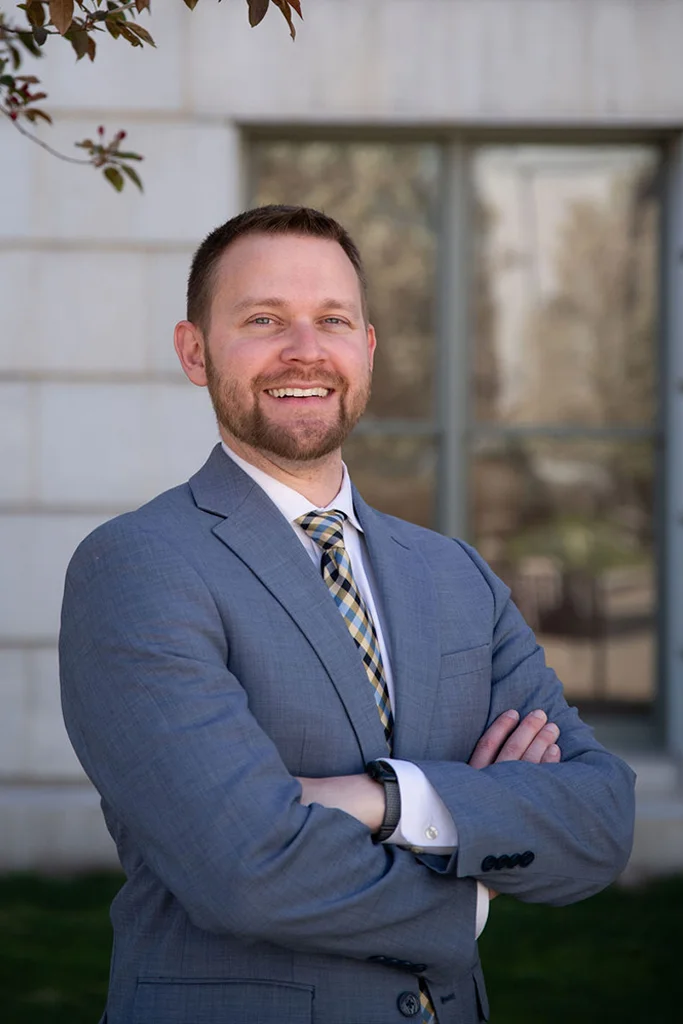
Reid DeChant at DeChant Law has handled DWAI and DUI cases across Arapahoe County and the surrounding metro jurisdictions, including the dismissal of a DUI case out of Arapahoe County documented in the firm’s results. His approach to impaired driving defense goes beyond reviewing the paperwork. It involves a detailed reconstruction of the stop, the testing, the advisements, and the timeline to identify where the government’s case has weaknesses.
What Makes DWAI Cases in Arapahoe County Uniquely Challenging
DWAI prosecutions often feel straightforward from the outside, but the legal and evidentiary issues underneath the surface are anything but. Because the charge does not require proof of significant impairment, only slight impairment, prosecutors can pursue a conviction based on thinner evidence than a DUI case requires. That might seem like it would make cases easier to resolve, but it actually shifts more weight onto officer observations, field sobriety test results, and circumstantial details that are harder to directly challenge with a single number.
Arapahoe County cases are prosecuted through the Arapahoe County District Attorney’s Office and typically move through the Arapahoe County Combined Courts, located in Centennial. Misdemeanor DWAI charges are handled at the county court level, while aggravated or felony-level impaired driving matters proceed through district court. Understanding how prosecutors in this office approach these cases, what evidence they prioritize, and what arguments they find persuasive is knowledge that only comes from working in these courtrooms regularly. Reid DeChant has done exactly that, and a case dismissal in Arapahoe County reflects that familiarity in practice, not just in theory.
One feature of DWAI charges that surprises many people is the DMV component. A criminal DWAI charge runs parallel to a separate civil proceeding through the Colorado Division of Motor Vehicles. You can be acquitted of the DWAI in court and still face a license revocation if the DMV hearing is not properly handled. The two tracks move on separate timelines with separate rules of evidence, and a deadline to request a DMV hearing applies from the date of your arrest. Missing that window can cost you your license regardless of what happens in criminal court.
Charges and Consequences That Come with Arapahoe County DWAI Cases
- First-offense DWAI: Colorado classifies a first DWAI as a traffic misdemeanor, but the consequences include fines, license points, mandatory public service hours, and potential jail time that can range from days to months depending on the circumstances and the court.
- DWAI with prior convictions: A DWAI is not simply a lesser DUI. Prior impaired driving convictions, including prior DWAIs, can elevate the current charge’s penalties significantly, and a third conviction triggers felony-level consequences under Colorado law.
- Drug-related DWAI: Colorado law covers impairment by drugs, including prescription medications, marijuana, and controlled substances, under the same DWAI statute. Cases involving drug impairment often lack a breath test and rely heavily on Drug Recognition Evaluator testimony, which carries its own set of evidentiary challenges.
- DWAI and Express Consent violations: Colorado’s Express Consent law requires drivers to submit to chemical testing when lawfully arrested. Refusing a test or errors in how the advisement was given can lead to separate license consequences and affect the criminal case in ways that cut both directions.
- DWAI while transporting a minor: A DWAI with a passenger under 16 in the vehicle triggers mandatory sentence enhancements, and Arapahoe County prosecutors are unlikely to reduce those charges through routine negotiation.
- Commercial driver DWAI: CDL holders face a lower BAC threshold and far harsher license consequences, including potential disqualification from commercial driving, which can end a career even if the criminal case resolves favorably.
How DeChant Law Defends Arapahoe County DWAI Cases
Reid DeChant’s background as a former public defender gave him a volume of courtroom experience that most private defense attorneys simply do not accumulate in the same time frame. Handling hundreds of impaired driving cases across Denver, Broomfield, and Adams County courts meant developing a deep familiarity with how police officers construct a DWAI case, what errors officers make, and how prosecutors respond when those errors are exposed. That experience translates directly into how Reid approaches every Arapahoe County DWAI case that comes into the firm.
Reid is also a graduate of the Trial Lawyers College, founded by Gerry Spence, a program that shapes how a lawyer communicates at trial. That matters in DWAI cases because juries are not blank slates. They carry assumptions about drinking, driving, and culpability before the first witness takes the stand. The ability to present a client’s story in a way that is honest, human, and credible is not a soft skill, it is a trial skill, and it is one that Reid has trained specifically to develop. His approach looks at the whole picture: not just the blood alcohol number or the field sobriety results, but who the client is, what was actually happening that night, and what the evidence actually shows when examined carefully.
DeChant Law is recognized by national legal organizations including the National Association of Criminal Defense Lawyers, and Reid maintains active membership in the Colorado Criminal Defense Bar. These affiliations keep him connected to the latest developments in impaired driving defense, including evolving science around field sobriety testing, breath testing accuracy, and drug impairment evaluation, all of which are directly relevant to DWAI defense strategy.
What to Do After a DWAI Arrest in Arapahoe County
The most important thing to understand after a DWAI arrest in Arapahoe County is that you are facing two separate proceedings that require two separate responses on different timelines. The criminal charge will eventually result in an arraignment at the Arapahoe County Combined Courts, located at 7325 S. Potomac Street in Centennial. That process moves at its own pace, and you will typically have time to hire counsel before your first court date. The DMV hearing is a different matter entirely. Colorado requires a written request for a DMV hearing within a short window from the date of arrest or the date your license was taken. If that deadline passes without a request, the revocation proceeds automatically. An DWAI defense attorney in Arapahoe County needs to be contacted quickly enough to address both tracks simultaneously.
Do not make statements to police or prosecutors about what you drank, when you drank, or how you felt before you have spoken with an attorney. This is not because those conversations are inherently dangerous, but because anything you say before you understand the full picture of the evidence against you can narrow your options. Gather whatever you remember about the stop: the location, the reason the officer gave for pulling you over, what tests were administered, the order in which they were given, whether you received the Express Consent advisement, and whether you were told you had the right to an independent blood test. These details matter. Write them down while they are fresh. A common mistake people make is waiting too long to consult with an attorney and then finding that the DMV window has already closed, leaving the license issue with no viable defense track remaining.
Questions About Arapahoe County DWAI Charges
How is a DWAI different from a DUI in Colorado?
DUI in Colorado requires proof that you were substantially incapable of safely operating a vehicle due to alcohol or drugs. DWAI requires proof of only slight impairment, meaning the government carries a lower evidentiary burden. The criminal penalties for a first DWAI are somewhat less severe than a first DUI, but the distinction narrows quickly with prior offenses, and both charges carry DMV consequences and criminal records.
What is the blood alcohol level for a DWAI in Colorado?
Colorado law creates a rebuttable presumption that a driver is under the influence of alcohol at a BAC of 0.08 or higher. The presumption associated with DWAI is a BAC between 0.05 and 0.08. However, a DWAI can still be charged at any BAC level if other evidence, such as field sobriety test results or officer observations, supports a finding of slight impairment. A driver with a BAC slightly below 0.05 could theoretically face a DWAI if the evidence otherwise supports it.
What happens to my driver’s license after a DWAI arrest in Arapahoe County?
The DMV can move to revoke your license through an administrative proceeding that is completely separate from the criminal case. You must request a hearing through the Colorado DMV within a specific number of days from your arrest or from when your license was confiscated. If you do not request that hearing in time, your license will be revoked automatically. The outcome of the criminal case does not automatically resolve the DMV action in your favor.
Can a DWAI conviction be sealed or expunged from my record in Colorado?
Colorado has specific rules about sealing criminal records, and traffic misdemeanor convictions, including DWAI convictions, are generally not eligible for sealing under current law. This is one reason why contesting the charge aggressively from the start matters. A conviction that stays on your record can affect insurance rates, professional licensing, and employment background checks for years.
Is it worth fighting a DWAI charge if the breath test result is on record?
Yes, and here is why: breath testing equipment must be properly calibrated, maintained, and operated by certified personnel. The testing must occur within a specific window from the time of driving. The officer must have had legal grounds to stop your vehicle in the first place. Any break in that chain creates potential grounds to challenge the test result’s admissibility. An Arapahoe County DWAI attorney evaluates the testing record and the officer’s credentials and certification, not just the number on the printout.
What happens if the DWAI involved marijuana rather than alcohol?
Marijuana-related DWAI cases present different evidentiary challenges because THC does not correlate to impairment the way BAC does. Colorado sets a permissive inference level for THC in blood, but even a result above that level does not automatically establish impairment, and the science around THC impairment is actively contested. These cases often depend heavily on Drug Recognition Evaluator testimony and officer observations, both of which can be challenged through cross-examination and expert evidence.
Can a DWAI affect my professional license in Colorado?
It can, depending on your profession. Nurses, teachers, real estate agents, financial advisors, and others in regulated fields may be required to report criminal convictions, including traffic misdemeanors, to their licensing board. Some boards conduct independent investigations and can take disciplinary action even when a criminal sentence is minor. If you hold a professional license, discussing that fact with your DWAI defense attorney from the beginning is important because it affects how you weigh your options throughout the case.
How long does a DWAI case typically take to resolve in Arapahoe County?
Timelines vary depending on whether the case goes to trial, whether discovery disputes arise, and court scheduling. A straightforward first-offense DWAI that resolves through negotiation might conclude within a few months. A contested case that proceeds to trial can take considerably longer. The Arapahoe County Combined Courts in Centennial handle a significant volume of traffic and criminal cases, and scheduling can extend timelines even when both sides are moving efficiently.
What if I refused the breath or blood test after my DWAI arrest?
Refusing a chemical test under Colorado’s Express Consent law carries its own consequences, including a longer license revocation period than a failed test would produce. However, a refusal also means the prosecution does not have a chemical test result to present at trial, which changes the evidentiary picture of the case. The implications of a refusal cut in both directions, and how they factor into your overall defense strategy depends on the specific facts of your stop and arrest.
Does having a DWAI in another state count as a prior conviction in Colorado?
Colorado courts can treat prior out-of-state impaired driving convictions as prior offenses when determining penalties for a current Colorado charge. Whether a specific out-of-state conviction qualifies depends on how that state’s law is written and whether it is substantially similar to Colorado’s DWAI or DUI statute. This is a fact-specific analysis that requires careful review of the prior conviction’s record and the applicable legal standards.
Arapahoe County DWAI Defense Serving the Entire South Metro Region
DeChant Law represents clients facing DWAI charges throughout Arapahoe County and the broader south metro area. This includes Englewood, Centennial, Littleton, Greenwood Village, Cherry Hills Village, Glendale, Aurora, Sheridan, and Columbine Valley. The firm also handles cases arising in areas along the major corridors that cut through the county, including stops on South Broadway, Havana Street, Hampden Avenue, Arapahoe Road, and University Boulevard. Clients in the neighborhoods near Southmoor, Dayton Triangle, Seven Hills, and the communities surrounding the Cherry Creek Reservoir regularly turn to DeChant Law when facing impaired driving charges in county court. The firm’s reach extends into Denver County, Adams County, Douglas County, Jefferson County, and Broomfield County, reflecting a practice built across the full range of metro Denver courtrooms where these cases are prosecuted.
Talk to an Arapahoe County DWAI Attorney About Your Case
A DWAI charge may feel like a minor legal hurdle, but the record it leaves behind and the license consequences that run alongside it are anything but minor. Reid DeChant is an Arapahoe County DWAI attorney who has handled these cases from investigation through trial, including documented dismissals in Arapahoe County courts, and who approaches every client’s situation with the full weight of his trial training and public defender experience. The earlier you get counsel involved, the more options remain available to you, including the DMV hearing deadline that closes quickly after an arrest. Reach out to DeChant Law to schedule a consultation and start understanding exactly where you stand.