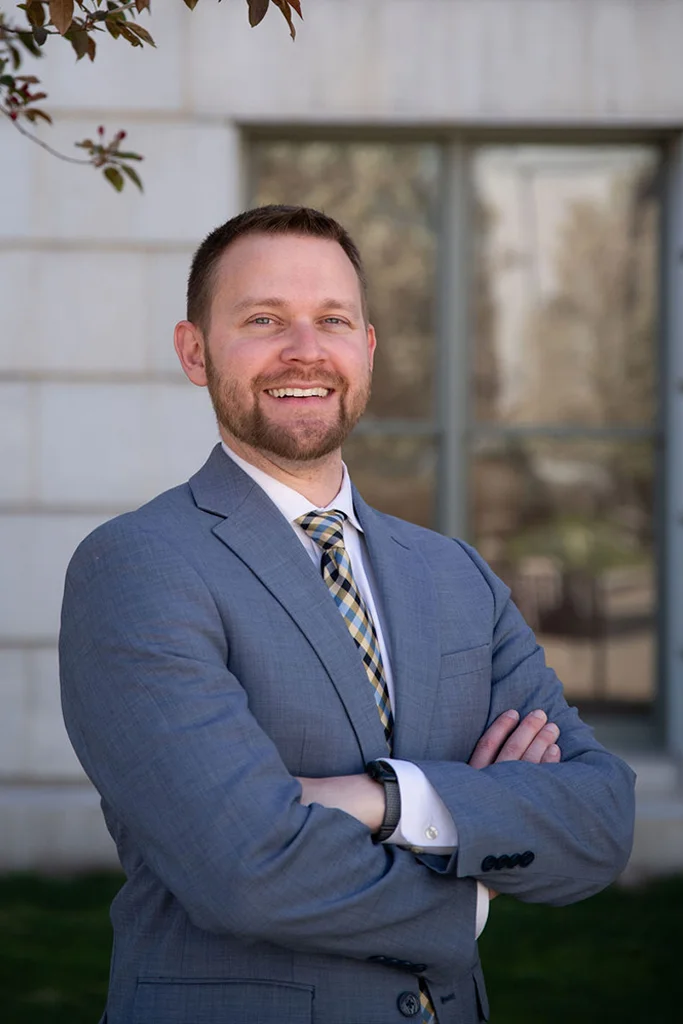
Adams County DMV Hearing Lawyer
A DMV hearing in Adams County is not a second chance. It is a separate, parallel proceeding that runs alongside your criminal DUI case, and it operates on its own timeline, its own rules of evidence, and its own consequences. Drivers who treat it as less urgent than the criminal case frequently lose their license before they ever set foot in a courtroom. The Colorado Division of Motor Vehicles will move to revoke your driving privilege swiftly after a DUI arrest, and if you do not request a hearing within seven days of your notice of revocation, that revocation becomes automatic. Working with an Adams County DMV hearing lawyer who understands exactly how these proceedings work is the only way to preserve the opportunity to fight back.
What makes DMV hearings particularly tricky is that they are civil administrative proceedings, not criminal trials, yet the stakes are deeply practical. Losing your license can mean losing your job, losing the ability to take your children to school, or losing independence you rely on every day. The rules of evidence are looser than in criminal court, but that cuts both ways. An experienced DMV hearing attorney knows how to exploit procedural deficiencies in the Express Consent process, how to cross-examine the arresting officer effectively, and how to identify grounds for dismissal that would not even be apparent to someone handling the hearing without proper legal training.
Reid DeChant at DeChant Law has handled DMV Express Consent actions in Adams County and across the Denver metro area, securing dismissals in case after case by attacking the substance of how law enforcement administered the Express Consent advisement, whether the chemical test was conducted within the required timeframe, and whether Miranda rights were improperly given before the Express Consent advisement was read. These are not abstract legal arguments. They are the specific procedural pathways that have resulted in actual dismissals for real clients.
What Actually Happens at a Colorado Express Consent DMV Hearing
Colorado’s Express Consent law requires drivers to submit to a chemical test whenever a law enforcement officer has probable cause to believe they are driving under the influence. When you are arrested for DUI or DWAI in Adams County, whether on Federal Boulevard, Pecos Street, along U.S. 36, or anywhere else in the county, the officer will issue you a Notice of Revocation. That document serves as your temporary license for seven days and also as the clock that starts ticking immediately. You or your attorney must request a hearing with the Colorado DMV within those seven days or the right to contest the revocation is forfeited.
The hearing itself is conducted by a DMV hearing officer, not a judge. The officer reviews the evidence presented, typically including the police report, the Express Consent advisement form, the officer’s sworn report, and the chemical test results. The arresting officer is often subpoenaed to testify, and this is where the hearing becomes a genuine legal proceeding that rewards thorough preparation. Cross-examining a police officer about the precise sequence of events leading up to the Express Consent advisement, about whether they followed the correct procedures for administering the breath or blood test, and about whether the two-hour requirement for chemical testing was honored requires the same skills a criminal defense lawyer brings to a courtroom cross-examination. DeChant Law’s approach to DMV hearings reflects that reality.
If the hearing officer rules against you, Colorado law allows for revocation periods that vary based on whether this is a first offense, whether you refused the chemical test, or whether your blood alcohol content was above a certain threshold. Refusal to take a chemical test carries its own separate revocation consequences, and in some cases, a refusal revocation is longer than a standard DUI revocation. Understanding which category applies to your situation and what arguments are most likely to succeed requires an Adams County DMV attorney who regularly appears in these proceedings.
Grounds That Have Led to Dismissed DMV Actions in Adams County Cases
- Improper Express Consent advisement: Colorado law requires officers to advise drivers of their rights under the Express Consent statute in a specific way. A defective advisement, whether due to wrong information, an incomplete reading, or failure to advise at all, has served as grounds for dismissal in multiple cases handled by DeChant Law.
- Miranda given before Express Consent: If an officer reads Miranda rights before providing the Express Consent advisement, it can compromise the validity of the entire process. This procedural sequence issue has resulted in dismissed DMV actions in prior cases.
- Chemical test not administered within two hours of driving: Colorado law requires the chemical test to be administered within a specific timeframe. When law enforcement fails to meet this deadline, the resulting test may be invalid as a basis for revocation, a ground that has led to outright dismissals.
- Lack of probable cause for the traffic stop: If the officer lacked sufficient grounds to stop your vehicle in the first place, the entire chain of events may be tainted. Challenging the validity of the initial contact can undermine the DMV’s case at the hearing level.
- Deficiencies in the sworn report: The officer’s sworn report submitted to the DMV must meet specific requirements. Errors, omissions, or inconsistencies in that report can provide grounds to challenge the revocation.
- Failure to properly subpoena the officer: If the officer does not appear and was not properly subpoenaed, the hearing may proceed in the driver’s favor. An Adams County DMV hearing attorney knows how to leverage these procedural moments when they arise.
- Blood test chain of custody problems: For cases involving blood draws, the handling, storage, and analysis of the blood sample must follow specific protocols. Breaks in the chain of custody or laboratory errors can undermine the reliability of the test result.
Why DeChant Law for Your Adams County DMV Hearing
Reid DeChant’s background as a former public defender gave him unusually intensive courtroom and hearing experience at an early stage of his career. Handling high volumes of cases in Adams County, Denver, and Broomfield County courts means Reid has appeared before the kinds of DMV hearing officers and judges who decide these cases and has developed a practical understanding of what arguments gain traction and what approaches fall flat. That volume of experience is not something you can replicate by reading a statute.
Reid is also a graduate of the Trial Lawyers College, the program founded by Gerry Spence that trains attorneys in genuine narrative advocacy and the kind of honest, direct communication that resonates with fact-finders. While a DMV hearing officer is not a jury, the ability to present a coherent, compelling story of what actually happened during the traffic stop and arrest, and where law enforcement deviated from required procedure, matters. Reid brings that same methodical preparation to administrative hearings that he brings to jury trials.
The case results documented on DeChant Law’s website include multiple dismissed DMV Express Consent actions across different factual grounds, including dismissals for improper advisement, dismissals for failure to administer the test within the required two-hour window, and dismissals for Miranda issues arising from the sequence of advisements. These are not flukes. They reflect a lawyer who knows exactly where to look and how to press when law enforcement has not followed the rules. Reid is also a member of the National Association of Criminal Defense Lawyers and the Colorado Criminal Defense Bar, staying current with the evolving law that governs DUI and DMV proceedings in Colorado.
What to Do in the Days After a DUI Arrest in Adams County
The most important deadline you face after a DUI arrest in Adams County is the seven-day window to request a DMV hearing. This is not a suggestion and it is not something that can be extended after the fact in ordinary circumstances. The Colorado DMV processes these requests, and if no request is made within seven days, the revocation takes effect automatically on the date specified in your notice. Contact an Adams County DMV attorney as soon as possible after your arrest so that request can be filed properly and the hearing scheduled before your temporary driving privilege expires.
In the meantime, preserve everything related to your arrest. Keep the Notice of Revocation document, any receipts or documentation from the arrest process, and any written materials law enforcement provided you. If you remember any details about the sequence of events, including whether the officer read you Miranda rights before or after explaining the Express Consent advisement, whether you were told what type of test you would be given, or how much time passed between the traffic stop and the chemical test, write those details down while your memory is fresh. These specifics become important when building the hearing record.
DMV hearings in Colorado are conducted through an administrative process separate from the district courts. For Adams County residents, the proceedings are handled through the Colorado DMV’s hearing office, which schedules telephonic or in-person hearings. The hearing is typically set several weeks out from the request date, which gives your attorney time to obtain the officer’s sworn report, subpoena the officer, review the advisement documentation, and identify any procedural vulnerabilities. Do not wait until close to the hearing date to engage legal representation. The preparation that goes into a strong DMV hearing defense cannot be compressed into a few days.
One common mistake drivers make is assuming that a favorable outcome in the criminal DUI case will automatically protect their license. That is not how Colorado law works. The DMV proceeding is entirely independent, and a criminal case dismissal or acquittal does not undo a DMV revocation that has already taken effect. The reverse is also true: a DMV hearing dismissal does not end the criminal case. Treating both proceedings with the same level of urgency, from the very beginning, is essential.
Questions Adams County Drivers Ask About DMV Hearings
How long do I have to request a DMV hearing after a DUI arrest in Colorado?
You have seven days from the date on your Notice of Revocation to request a hearing with the Colorado DMV. If no request is made within that window, the revocation becomes automatic. The seven-day clock starts immediately, so contacting an attorney as soon as possible after arrest is critical to preserving this right.
What is the difference between a DMV hearing and the criminal DUI case?
They are two completely separate proceedings. The criminal case is handled in the district or county court and concerns whether you committed a crime. The DMV hearing is a civil administrative proceeding that concerns only your driving privilege. Each has its own rules, its own burden of proof, and its own potential outcomes. Winning one does not automatically resolve the other.
Can I lose my license even if I was not convicted of DUI?
Yes. The DMV can revoke your license based solely on the administrative evidence from the arrest, independent of what happens in criminal court. Many drivers are surprised to learn that a criminal acquittal does not restore a license that was already revoked through the DMV process. This is why contesting the DMV action from the beginning is so important.
What happens if I refused the chemical test?
Refusing the chemical test triggers its own revocation consequence under Colorado’s Express Consent law, and the revocation period for a refusal can be longer than for a standard DUI. However, refusal cases still have hearings where procedural defenses may apply. The reasons for the refusal and how the officer handled the advisement process can both become relevant issues.
Does the arresting officer have to appear at the DMV hearing?
The officer can be subpoenaed to appear and testify. If the officer is properly subpoenaed and fails to appear, the hearing may be decided in the driver’s favor. Subpoenaing the officer and being prepared to cross-examine them on the specific facts of your stop and arrest is often a central part of building an effective hearing defense.
What if the officer read me Miranda rights before the Express Consent advisement?
This is a recognized procedural issue in Colorado DMV cases. The sequence in which advisements are given matters, and giving Miranda before Express Consent can create grounds for dismissal of the DMV action. DeChant Law has obtained dismissed DMV actions on exactly this basis in prior cases. If this happened in your arrest, it should be evaluated immediately.
Is there any way to drive legally if my license is revoked after a DMV hearing?
Colorado law provides for restricted licenses and interlock ignition device programs in certain circumstances following a revocation. Whether you qualify and which restrictions apply depends on the specifics of your case, including whether this is a first or subsequent offense and whether you refused or complied with the chemical test. An Adams County DMV attorney can walk through what options may be available in your particular situation.
Can the DMV hearing result be appealed if I lose?
Yes. Colorado law provides a process for appealing an adverse DMV hearing decision to the district court. The appeal is limited in scope and generally reviews whether the hearing officer’s decision was supported by the evidence and complied with applicable law. Appellate review of administrative decisions is narrower than a full new hearing, so winning at the initial hearing level is always preferable to relying on an appeal.
What if my blood test results came back weeks after my arrest?
Blood test results in Colorado sometimes take several weeks to process. The timeline of when results are received and how they are incorporated into the DMV proceeding can affect the hearing schedule and the evidence available at the hearing. If your case involves a blood draw rather than a breath test, the chain of custody for the blood sample and the laboratory procedures used to analyze it both become relevant areas to examine.
If my case involves a DUI-Drugs charge rather than alcohol, does the DMV hearing work the same way?
The Express Consent law in Colorado applies to both alcohol and drug-based DUI charges, so a DUI-Drugs arrest can also trigger a DMV revocation action. The underlying chemical test in a drug case is typically a blood test rather than a breath test, and the procedural requirements around how that test is administered and processed apply just as they do in an alcohol case. DeChant Law has handled DUI-Drugs cases, including obtaining not guilty verdicts at trial and dismissals in Jefferson County and Broomfield County on drug-related DUI charges.
Representing Drivers Across Adams County and the Surrounding Area
DeChant Law represents drivers facing DMV hearings throughout Adams County and the broader Denver metro region. Within Adams County, the firm serves clients from Commerce City and Thornton through Westminster, Northglenn, and Brighton. Drivers from Federal Heights, Arvada, and the areas near Globeville and Swansea who face license revocation actions following arrests on major corridors like Federal Boulevard, 104th Avenue, Sheridan Boulevard, or the I-76 corridor will find that DeChant Law understands the specific enforcement patterns and procedural landscape that affect Adams County cases.
Beyond Adams County, the firm also handles DMV hearing matters arising from DUI arrests in Denver County, Arapahoe County, Jefferson County, Broomfield County, and Douglas County. Whether a client was arrested near the Mousetrap interchange, on Wadsworth in Jefferson County, along C-470 in Douglas County, or anywhere else in the metro area, the underlying legal framework and the procedural arguments that win or lose DMV hearings remain consistent. Reid DeChant’s years of practice across these jurisdictions means he is familiar with the local law enforcement agencies, the testing procedures those agencies use, and the hearing officers who decide these cases.
Adams County DMV Hearing Attorney Ready to Review Your Case
The window to act after a DUI arrest in Adams County is short, and the consequences of missing it last far longer than the revocation period itself. If you have received a Notice of Revocation, contact DeChant Law now. Reid DeChant is an Adams County DMV hearing attorney who has a documented record of winning these proceedings by targeting the exact procedural and factual vulnerabilities that the DMV’s case depends on, and he is prepared to bring that same approach to your case. Do not let the seven-day deadline pass without having someone who knows these proceedings thoroughly in your corner.