Denver District Court DUI Lawyer
The Denver District Court handles some of the most serious DUI cases filed anywhere in Colorado. A Denver District Court DUI lawyer is not dealing with the routine first-offense misdemeanor cases that move through county court every morning. District Court DUI cases typically involve prior convictions that elevate the charge to a felony, accidents resulting in serious bodily injury or death, or blood alcohol levels so high that prosecutors are pushing for mandatory incarceration. The courtroom is different, the stakes are different, and the defense strategy needs to be built around that reality from the first moment you speak with an attorney.
Denver’s District Court sits within the Second Judicial District at the Lindsey-Flanigan Courthouse on Fox Street, and it is where the Denver County District Attorney’s Office assigns its most experienced prosecutors. These are not attorneys who will offer a quick plea to something minor and move on. Felony DUI prosecutions in Denver are resource-intensive, document-heavy, and built around forensic evidence that most defendants have no idea how to evaluate or contest. A blood draw from the hospital following a serious collision, a toxicology report from the Colorado Bureau of Investigation, prior driving records pulled across multiple jurisdictions, accident reconstruction reports prepared by law enforcement, and eyewitness accounts from first responders all become part of a file that gets handed to a prosecutor who will spend months preparing it for trial.
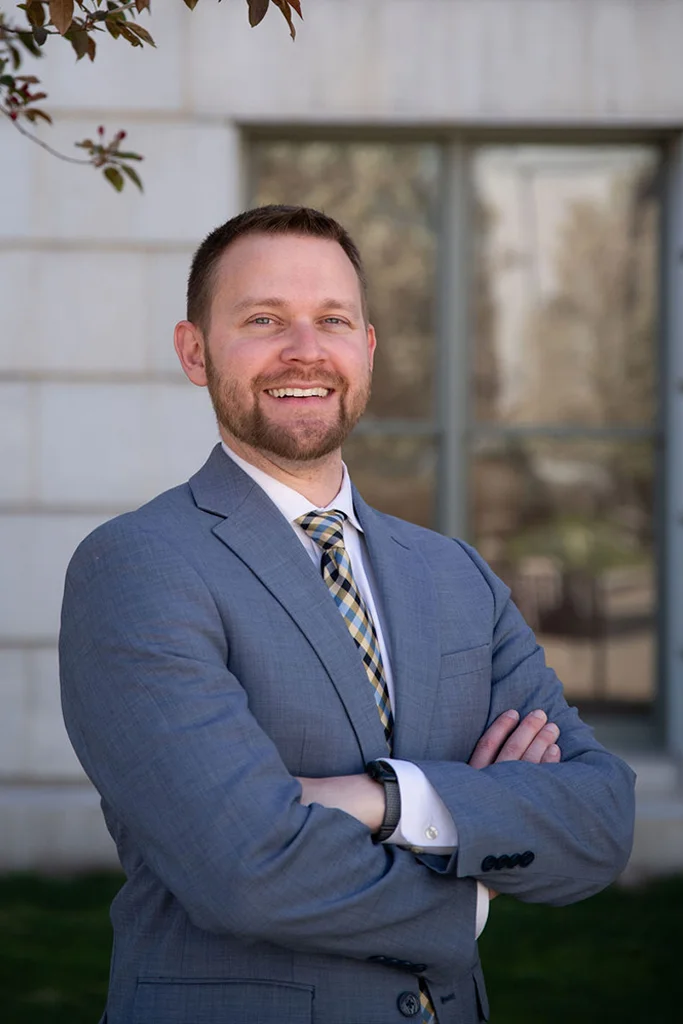
Knowing how those pieces fit together, where they can be challenged, and what a jury in Denver actually responds to is something that only comes from real trial experience in these specific courts. Reid DeChant at DeChant Law has spent time as a public defender in Denver, Broomfield, and Adams County courtrooms defending exactly these kinds of cases. That experience translates directly into a defense that accounts for how local prosecutors think, what Denver judges expect, and what it actually takes to fight a serious DUI charge through to a favorable result.
What Sends a DUI Case to Denver District Court
Not every DUI in Denver ends up in District Court. Understanding the threshold that pushes a case from county court to District Court matters because it changes everything about how the case is defended and what outcomes are realistically available.
Colorado law elevates DUI to a felony when a driver has been convicted of three or more prior DUI, DWAI, or vehicular assault offenses. The prior convictions do not all have to be from Colorado, and they do not have to be recent. A conviction from another state years ago can count toward the threshold that turns a new DUI stop on I-25 or I-70 into a felony case. Prosecutors will pull driving history across multiple states and jurisdictions, and many people are genuinely surprised to learn that a conviction they barely remember from a different decade is now being used to enhance their current charge.
DUI cases also reach District Court through vehicular assault and vehicular homicide charges. A DUI that results in serious bodily injury to another person becomes vehicular assault, which is a felony. A DUI that results in someone’s death becomes vehicular homicide. These cases often originate from accidents on major Denver corridors: the I-25 and I-70 interchange, Federal Boulevard, Colfax Avenue, and Hampden Avenue generate serious accidents involving impaired drivers with some frequency. When those accidents result in injuries or deaths, the investigation becomes a combined criminal and forensic exercise involving the Denver Police Department, Colorado State Patrol, the DA’s office, and sometimes federal agencies depending on the circumstances.
Charges That Bring Denver DUI Defendants to District Court
- Felony DUI (Habitual Offender): Colorado statute creates a felony DUI classification for drivers with three or more qualifying prior impaired driving convictions, including DUI, DWAI, vehicular assault, and vehicular homicide convictions from any jurisdiction. Each new case triggers a review of the defendant’s full driving history.
- Vehicular Assault (DUI-Based): When an impaired driver causes serious bodily injury to another person, the charge becomes vehicular assault, a class 4 or class 3 felony depending on the circumstances. Serious bodily injury includes broken bones, traumatic brain injuries, internal injuries, and other significant physical harm.
- Vehicular Homicide (DUI-Based): The death of any person caused by a driver under the influence of alcohol or drugs results in a vehicular homicide charge, which is prosecuted as a class 3 felony in Colorado. These cases receive considerable investigative resources and are prosecuted vigorously by the Denver DA’s office.
- DUI with Child Passenger: Driving under the influence with a minor in the vehicle carries enhanced penalties and can result in additional charges including child abuse, which may be filed as a felony depending on the risk of injury involved.
- DUI-Drugs Involving Controlled Substances: Impaired driving cases involving controlled substances like methamphetamine, fentanyl, or prescription medications often involve blood testing by the Colorado Bureau of Investigation. The analytical methods and reporting procedures for these tests create defense opportunities that require technical knowledge specific to toxicology and forensic chemistry.
- Hit and Run Combined with DUI: Leaving the scene of an accident while impaired compounds the original DUI with felony hit and run charges. Prosecutors treat these cases as evidence of consciousness of guilt, which shapes both the charging decision and any plea negotiations.
What to Do When You Are Facing a District Court DUI in Denver
Felony DUI cases move through Denver District Court on a schedule that compresses quickly. After an arrest, the first appearance before a District Court judge will involve setting bond and hearing the formal charges. Bond conditions in felony DUI cases often include alcohol monitoring requirements such as a SCRAM bracelet or regular testing, and violating those conditions can result in detention while the case is pending. Retaining a DUI defense attorney in Denver as quickly as possible after the arrest allows your lawyer to appear at those early hearings and advocate for release conditions that are actually workable for your life.
One of the most important things to do immediately after a DUI arrest involving a breath or blood test is to understand your DMV obligations. Colorado’s express consent law means that a DMV hearing to revoke your driver’s license runs on a completely separate track from the criminal case. That hearing has strict deadlines, and missing the window to request it results in automatic revocation. Reid DeChant has successfully handled numerous DMV express consent actions, including cases where the revocation was dismissed for improper advisement and for failure to administer the chemical test within the required timeframe. These are technical but consequential wins that require knowing the administrative process as well as the criminal one.
Do not speak with law enforcement, investigators, or insurance adjusters about the facts of your case before speaking with an attorney. This applies equally to cases involving accidents. Statements made after a collision, even cooperative ones made at the scene before charges are filed, can be used against you. In vehicular assault and vehicular homicide cases, the accident reconstruction process often continues for weeks after the initial incident, and anything you said at the scene becomes part of that investigation.
Your attorney should begin collecting and preserving evidence as soon as you retain them. This includes traffic camera footage from Denver Public Works and the Colorado Department of Transportation, surveillance video from businesses along the route where the stop or accident occurred, and documentation of the officer’s training and maintenance records for any breath testing device used. Blood samples preserved by the Colorado Bureau of Investigation can in some circumstances be independently retested by a qualified forensic toxicologist. None of these opportunities exist indefinitely, and waiting too long can mean critical evidence is no longer available.
Why DeChant Law Handles Denver District Court DUI Cases Differently
The difference between a lawyer who has handled a few DUI cases and one who has stood in front of Denver District Court judges defending felony charges is not a small gap. Reid DeChant’s background as a public defender gave him something that is genuinely rare in private criminal defense: high-volume, high-stakes trial experience before he ever opened a private practice. He handled cases ranging from traffic offenses and DUI to assault, sexual assault, and homicide. That breadth matters in District Court DUI cases because felony DUI often arrives connected to other charges, and understanding how to manage a complex multi-count case requires the kind of courtroom fluency that only comes from trial repetition.
Reid’s training at the Trial Lawyers College, the program founded by legendary attorney Gerry Spence, shapes the way he approaches every case that goes toward trial. Most lawyers present evidence and legal arguments. Reid builds a narrative that allows a jury to understand the human reality of a case, not just the technical legal arguments. In DUI cases, that means telling the story of a client’s actual life, the context of the night in question, the reliability of the testing procedures, and the conduct of law enforcement, in a way that resonates with real people sitting in a jury box. Juries in Denver are drawn from a diverse population across the city, and reaching them requires more than a closing argument built on objections and exhibits.
Reid is a member of the National Association of Criminal Defense Lawyers and the Colorado Criminal Defense Bar, and those memberships reflect a commitment to staying current with the evolving science of DUI defense, including blood testing protocols, field sobriety test administration standards, and the growing body of litigation around drug recognition expert testimony in DUI-drugs cases. The results documented on DeChant Law’s case results page include multiple DUI cases dismissed at both the trial and DMV levels across Jefferson, Douglas, Arapahoe, and Broomfield Counties, as well as not guilty verdicts at trial in DUI cases. Those outcomes reflect both technical legal work and genuine trial advocacy working together.
When you work with DeChant Law as your DUI defense attorney in Denver, you are not handed off to a paralegal who schedules your court dates. Reid functions as a true partner in your defense, keeping you informed, explaining every development in terms that make sense, and consulting you before any decision that affects your case. That kind of transparent communication is not a feature of every law firm, and it matters when you are facing a charge that can affect your freedom, your license, and your ability to earn a living.
Questions About Denver District Court DUI Cases
What is the difference between a DUI handled in Denver County Court versus Denver District Court?
Denver County Court handles misdemeanor DUI cases, typically first and second offenses that do not involve serious injury. Denver District Court handles felony DUI cases, including cases where a defendant has three or more prior qualifying impaired driving convictions, and cases where the DUI resulted in serious bodily injury or death. The penalties, the prosecutors assigned, and the overall complexity of the proceedings are significantly greater in District Court.
What are the potential penalties for felony DUI in Colorado?
Felony DUI carries the possibility of a state prison sentence, probation, substantial fines, mandatory alcohol treatment, and extended periods of license revocation. The specific range depends on the number of prior offenses, the facts of the new case, and whether aggravating factors like injury or extremely high blood alcohol content are present. Felony convictions also carry collateral consequences including impacts on employment, housing, and civil rights that do not apply to misdemeanor convictions.
Can prior DUI convictions from other states count toward a Colorado felony DUI charge?
Yes. Colorado prosecutors can and do use prior impaired driving convictions from other states when calculating whether a defendant crosses the threshold for felony DUI. This means someone who picked up DUI convictions in multiple states over the years may face felony charges on what feels like a relatively routine new stop. An attorney reviewing your history can assess how prior out-of-state convictions will be treated under Colorado law and whether any of them are subject to challenge.
How does the DMV case work alongside the criminal case in Denver?
The Colorado DMV operates an express consent administrative hearing process that runs separately from the criminal case. When a driver submits to or refuses a chemical test, the DMV initiates a revocation proceeding. You have a limited window after the arrest to request a hearing, and missing it results in automatic revocation without any opportunity to contest it. DeChant Law has successfully challenged express consent revocations on multiple grounds, including improper advisement of rights and failure to administer tests within the required timeframe.
What happens at the first appearance in Denver District Court after a felony DUI arrest?
The first appearance is an arraignment-style hearing where the judge reviews the charges, advises the defendant of their rights, and addresses bond. In felony DUI cases, bond conditions frequently include alcohol monitoring and driving restrictions. Having an attorney present at this hearing is critical because the bond conditions set here will govern your life while the case is pending, sometimes for many months.
Is it possible to challenge the blood test results in a Denver felony DUI case?
Yes, and in many District Court DUI cases this is one of the central areas of defense work. Blood samples analyzed by the Colorado Bureau of Investigation can be examined for compliance with collection, storage, and chain of custody requirements. The analytical methods used and the margin of error in the reported blood alcohol content are legitimate areas of inquiry. In DUI-drugs cases, the interpretation of the toxicology results and the qualifications of any drug recognition expert the state intends to call are additional areas where defense challenges can carry real weight at trial.
What is the typical timeline for a felony DUI case in Denver District Court?
Felony cases in Denver District Court typically move through preliminary hearings, motions practice, and then either a resolution through plea or a trial setting. The timeline from arrest to resolution can range from several months to over a year depending on the complexity of the case, the volume of evidence, expert witness scheduling, and court calendar availability. Cases involving vehicular assault or vehicular homicide, which require accident reconstruction and medical expert testimony, tend to take longer to resolve than standard felony DUI cases.
What does vehicular assault versus vehicular homicide mean for how my case gets prosecuted?
Both charges are serious felonies, but vehicular homicide carries a higher classification and significantly greater potential penalties. The investigation in a vehicular homicide case typically involves law enforcement accident reconstruction teams, the medical examiner’s office, and often a specialized unit within the DA’s office. The prosecution’s approach in these cases is fundamentally different from a standard DUI because the human loss involved adds a dimension that affects everything from plea negotiation to how a jury processes the evidence at trial.
Can a felony DUI conviction be sealed from my Colorado criminal record?
Colorado’s record sealing laws apply to felony DUI convictions in limited circumstances and subject to specific waiting periods and conditions. The eligibility rules depend on the nature of the conviction, the outcome of any probation or prison sentence, and whether restitution obligations have been satisfied. For many people facing felony DUI charges, avoiding a conviction in the first place through an aggressive defense is the most reliable path to protecting their long-term record, which is one reason the quality of the defense at the District Court level matters so much.
If I had a prior DUI expunged or sealed in another state, does it still count in Colorado?
This is a genuinely nuanced question, and the answer depends on the specific state where the prior conviction was sealed or expunged and how Colorado courts have interpreted its effect on the prior conviction record. In some situations, a sealed or expunged prior may still be usable for enhancement purposes under Colorado law. This is an area where careful legal analysis of your specific history by a DUI defense attorney in Denver can make a meaningful difference in how your case is charged and what arguments are available to you.
Denver DUI Defense Representation Across the Metro Area and Surrounding Counties
DeChant Law represents clients facing DUI charges at all levels across the Denver metropolitan area and throughout the Front Range. That includes clients from Denver’s diverse neighborhoods, from Capitol Hill and Five Points through Washington Park, Congress Park, Stapleton, Montbello, Westwood, and the Highlands. Reid also regularly defends clients from areas north of the city including Globeville and Swansea, as well as clients from the western Denver neighborhoods of Sloan Lake, Edgewater, and Wheat Ridge. To the south, representation extends through Englewood, Cherry Hills Village, and into Centennial and Greenwood Village. Clients from Aurora and the eastern metro corridor, as well as those from communities along the US-36 corridor including Westminster, Thornton, Northglenn, and Broomfield, are also well within the firm’s active practice area.
Beyond Denver County itself, DeChant Law handles DUI cases in Adams County, Arapahoe County, Jefferson County, Douglas County, and Broomfield County courts, including District Courts in each of those jurisdictions for felony-level matters. Whether a case originates from an accident on C-470, a DUI stop on Wadsworth Boulevard in Jefferson County, or a collision on Parker Road in Douglas County, the firm’s experience in those specific courtrooms and with those specific prosecution offices is directly applicable. Clients from Lakewood, Golden, Arvada, Parker, Littleton, Castle Rock, Commerce City, Brighton, and surrounding communities all fall within the geographic scope of the firm’s DUI defense practice.
Contact a Denver District Court DUI Attorney at DeChant Law
Felony DUI charges in Denver deserve more than a defense built around hoping for a favorable plea offer. A Denver District Court DUI attorney who has genuinely tried these cases and knows what it takes to win them in front of a jury is a different resource than a lawyer who settles everything and avoids trial. Reid DeChant brings public defender-forged trial experience, Trial Lawyers College training, and a genuine commitment to every client’s outcome to every case he accepts at the District Court level.
If you are facing a felony DUI, vehicular assault, vehicular homicide, or any DUI charge in Denver District Court, call DeChant Law to schedule a consultation. The sooner an attorney can review the facts of your arrest, your driving history, and the evidence the prosecution is building, the more options will be available to you. Do not wait until the case has progressed further to understand where you stand and what a real defense looks like.